Statistics library
Explore a wide range of consumer insights and statistics across industries. Discover charts on behaviors, preferences, attitudes, and market trends to find the data most relevant to your research and decision-making.
 Pro
Pro
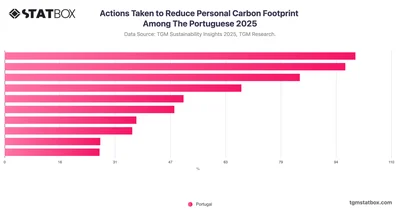
In Portugal, people take many practical steps to lower their carbon footprint. The most common are recycling and composting (64%) and saving water.
 Pro
Pro
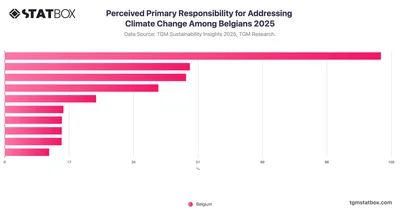
Explore TGM StatBox data on who Belgians believe should take primary responsibility for addressing climate change, based on 2025 research.
 Pro
Pro
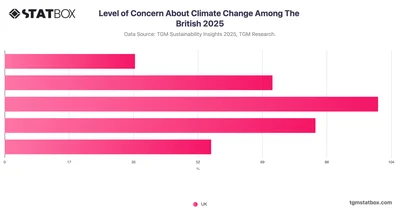
Many of British respondents fall into the moderately or very concerned categories, while a smaller group, about 16%, feel extremely concerned.
 Pro
Pro
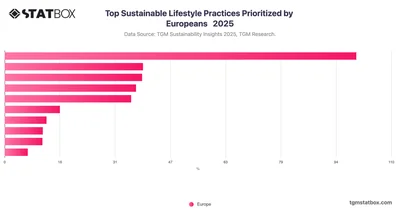
In Europe, sustainable living often starts with small, everyday choices. The most common habit is saving water, chosen by about one in three people.
 Pro
Pro
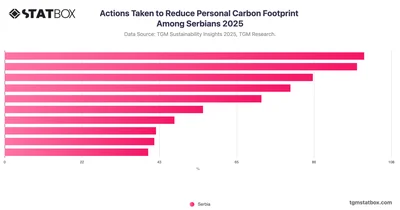
TGM StatBox data shows the actions Serbians take to reduce their personal carbon footprint, based on a 2025 sustainability survey.
 Pro
Pro
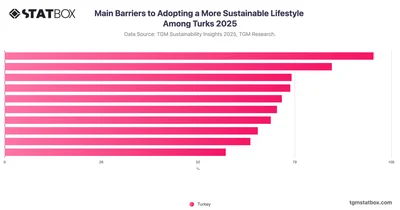
In Turkey, the biggest barriers to sustainable living are high costs (38%) and the limited availability of sustainable options (34%).
 Pro
Pro
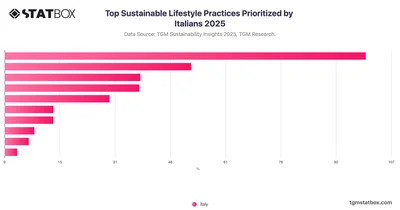
Minimizing water usage stands out as the top sustainable lifestyle choice among Italians at 33%. Recycling and composting follow second.
 Pro
Pro
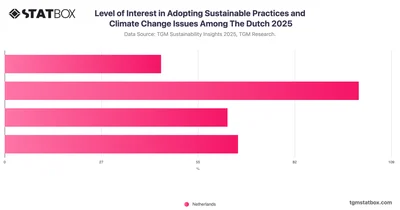
In the Netherlands, interest in sustainability and climate change is mixed. Around 37% of the Dutch resondents say they are somewhat interested.
 Pro
Pro
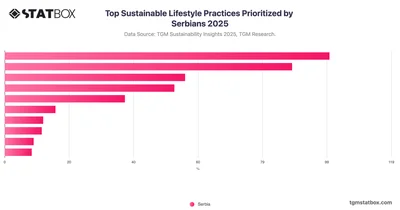
In Serbia, sustainable living often starts with small, everyday habits. Water conservation (25%) and plant-based eating (22%) are tge most common sustainability practices.
 Pro
Pro
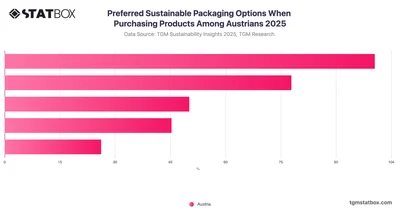
TGM StatBox shows which sustainable packaging options Austrians prefer when purchasing products, based on 2025 consumer survey data.
 Pro
Pro
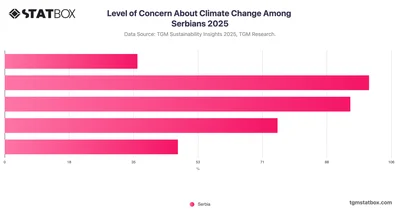
Most Serbians acknowledge climate change as an issue, though for many it’s not yet a top priority. A combined 55% express slight or moderate concern.
 Pro
Pro
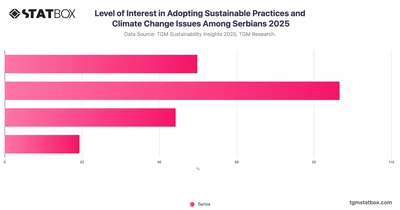
In Serbia, most people show at least some interest in sustainability and climate issues. About 43% are somewhat interested and roughly half of that are very interested
 Pro
Pro
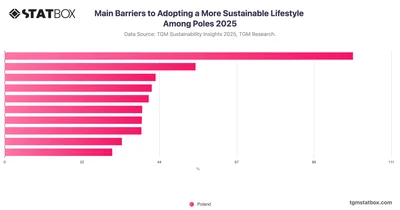
For many people in Poland, the biggest obstacle to living more sustainably is cost. Nearly 45% say eco-friendly products are simply too expensive.
 Pro
Pro
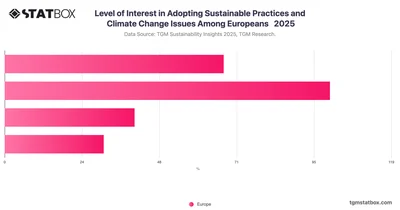
In Europe, many people show interest in living more sustainably and addressing climate change, but the level of commitment varies. About 28% say they are very interested.
 Pro
Pro
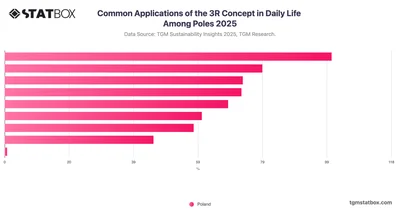
For many people in Poland, the “3R” principles show up most in everyday recycling, just over 50% say they recycle at home or work. A smaller group makes an effort to reuse items.
 Pro
Pro
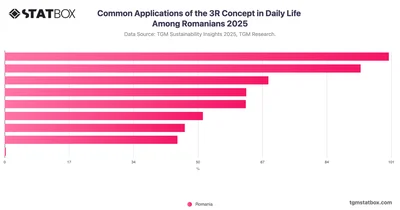
In Romania, nearly 60% say they recycle at home or work, and over half reuse items to give them a second life. A slightly smaller group focuses on reducing waste.
 Pro
Pro
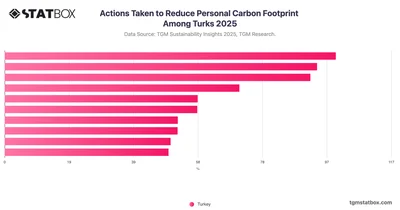
In Turkey, the most common actions to cut carbon emissions include using energy-efficient appliances and bulbs (51%), choosing public transport, biking, walking, or carpooling.
 Pro
Pro
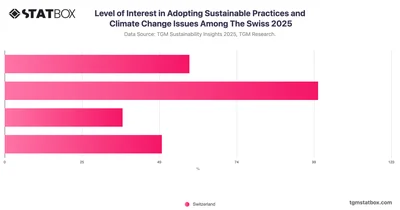
Many Swiss show an openness to sustainability, with the largest share (40.5%) describing themselves as “somewhat interested.” A smaller but notable group are highly engaged.
 Pro
Pro
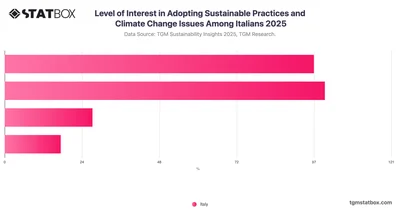
In Italy, interest in sustainable practices and climate change is far from marginal. Over 81% of respondents lean toward engagement.
 Pro
Pro
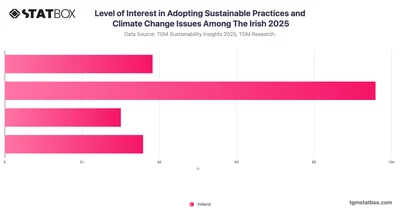
48% of Irish respondents say they're “somewhat interested” in sustainability and climate issues. This is a middle ground that hints at growing awareness but not yet full commitment.
 Pro
Pro
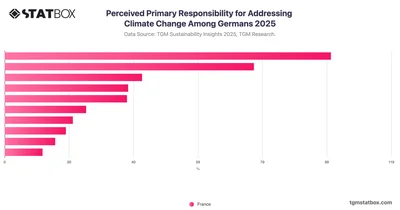
Explore TGM StatBox data on who Germans believe should take primary responsibility for addressing climate change, based on 2025 research.
 Pro
Pro
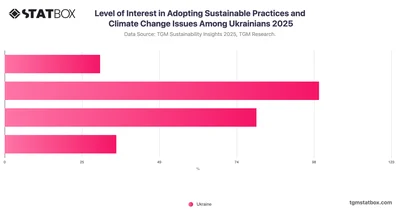
In Ukraine, most people express at least some concern about climate change, but strong urgency is rare. The largest groups describe themselves as slightly concerned (37%).
 Pro
Pro
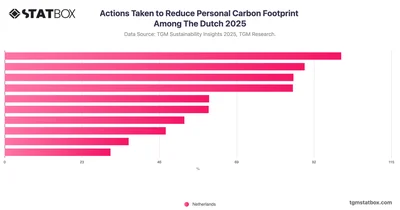
In the Netherlands, cutting water use, using energy-efficient appliances, and recycling or composting are the most common ways people reduce their carbon footprint.
 Pro
Pro
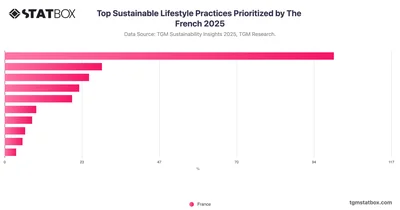
Sustainability in France is driven by immediacy and simplicity, while broader behavioral change still needs momentum. 42.6% prioritizing water conservation.
 Pro
Pro
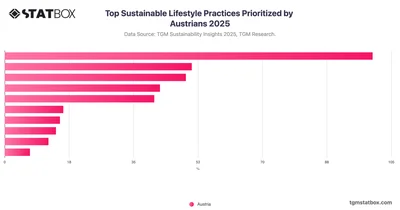
For Austrians, sustainability starts at the tap. With 28.6% prioritizing water conservation, given Austria’s drought alerts and the increasing stress on Alpine freshwater reserves.
 Pro
Pro
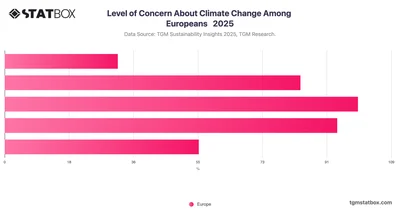
Across Europe, most people are concerned about climate change, but not in the same way. Many sit in the “moderately” or “very concerned” range.
 Pro
Pro
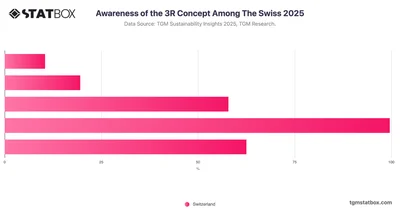
The 3R concept has yet to take root in Switzerland. Most people are unfamiliar or uncertain about its meaning, and fewer than one in ten express clear understanding.
 Pro
Pro
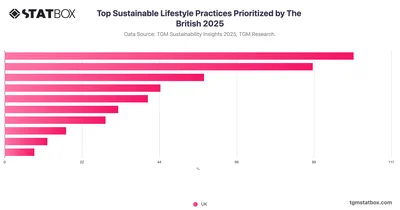
For many in the UK, going green starts with simple daily habits. Recycling and composting are the most common actions (23%), followed by conserving energy at home.
 Pro
Pro
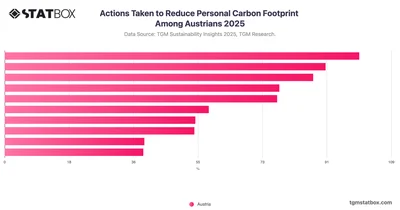
Austrians are acting where it feels tangible and immediate. Recycling leads the charge in Austria’s climate-conscious habits: 55% actively recycle and compost.
 Pro
Pro
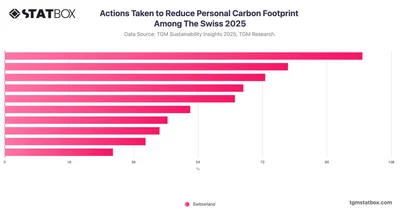
In Switzerland, the most common carbon-cutting actions are recycling and composting (56%) and choosing sustainable transport like public transit, biking, walking, or carpooling.