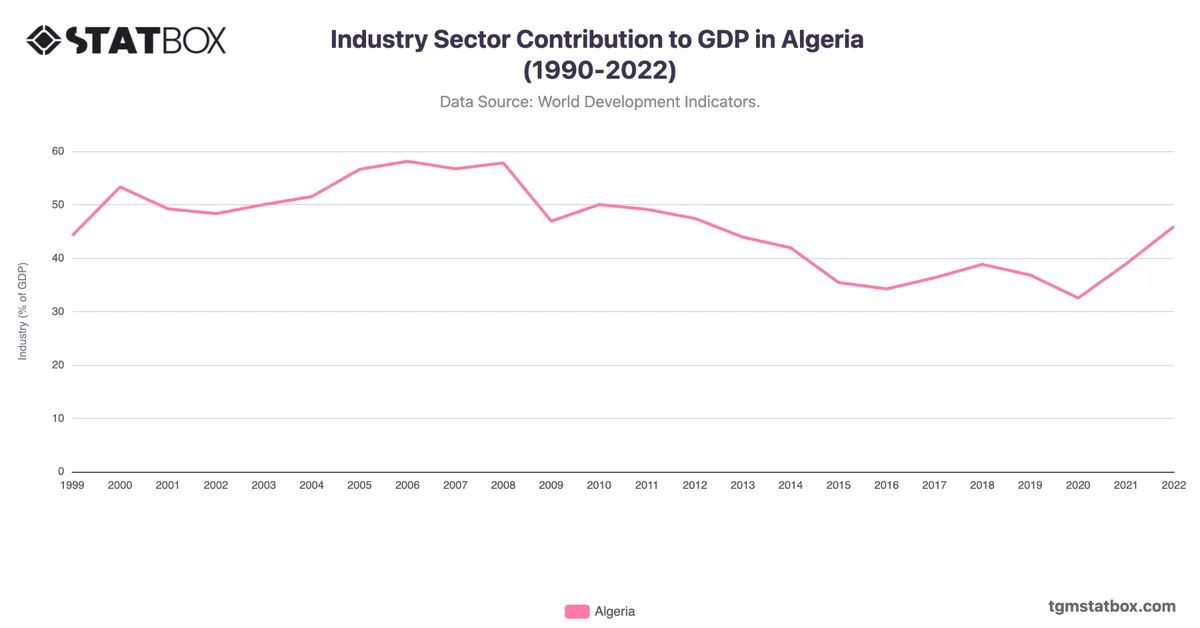
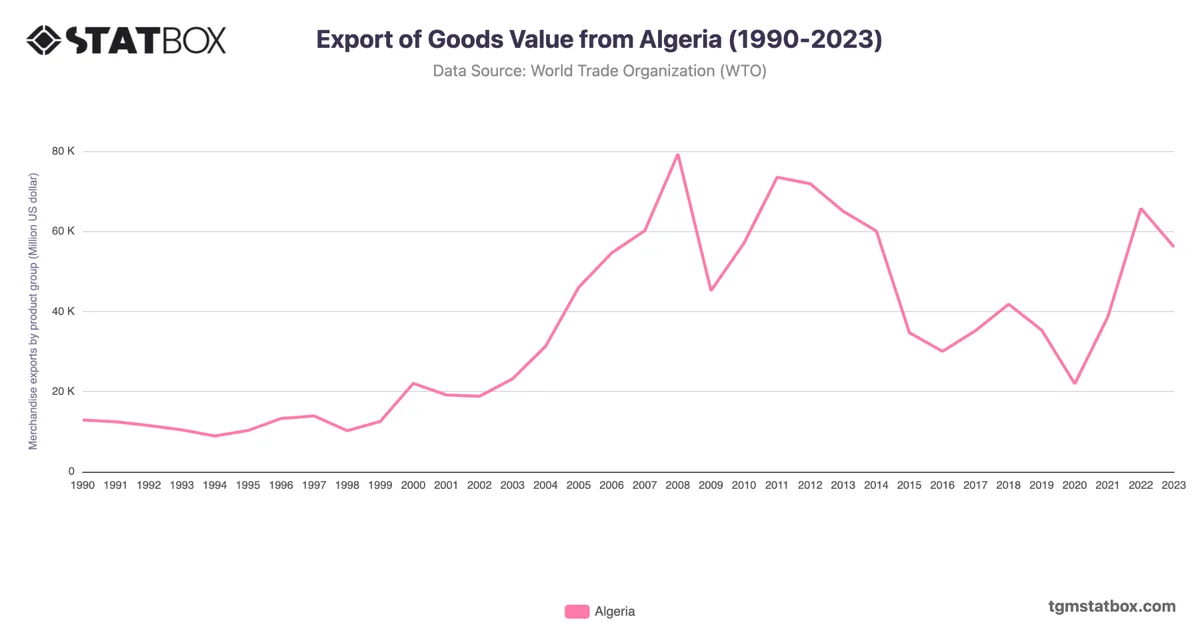
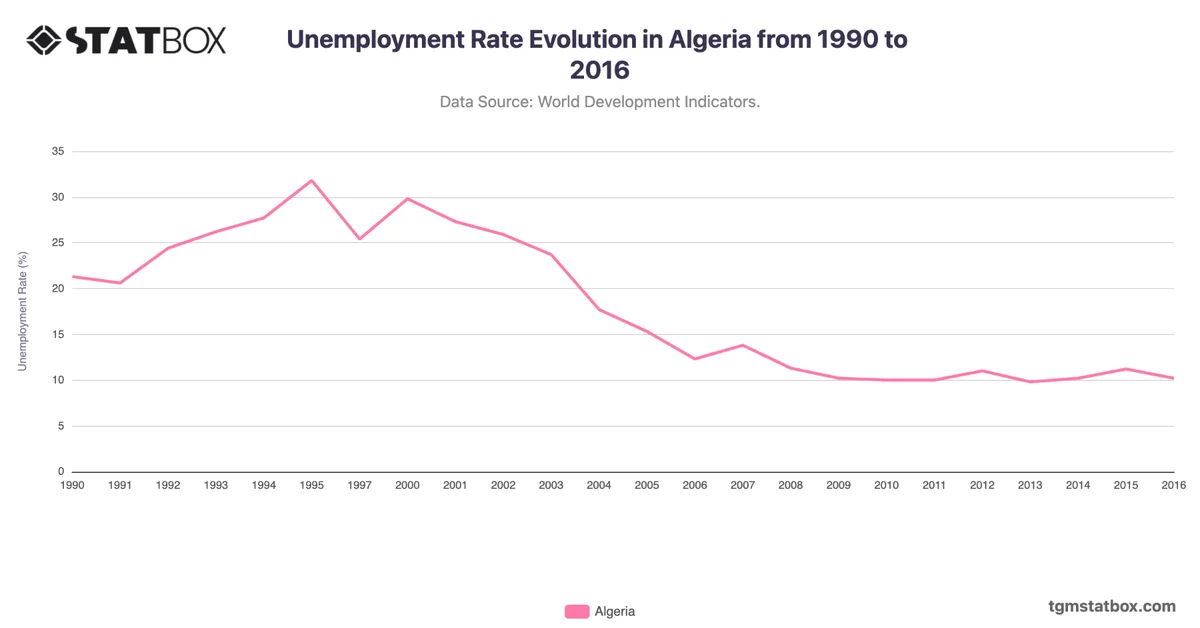
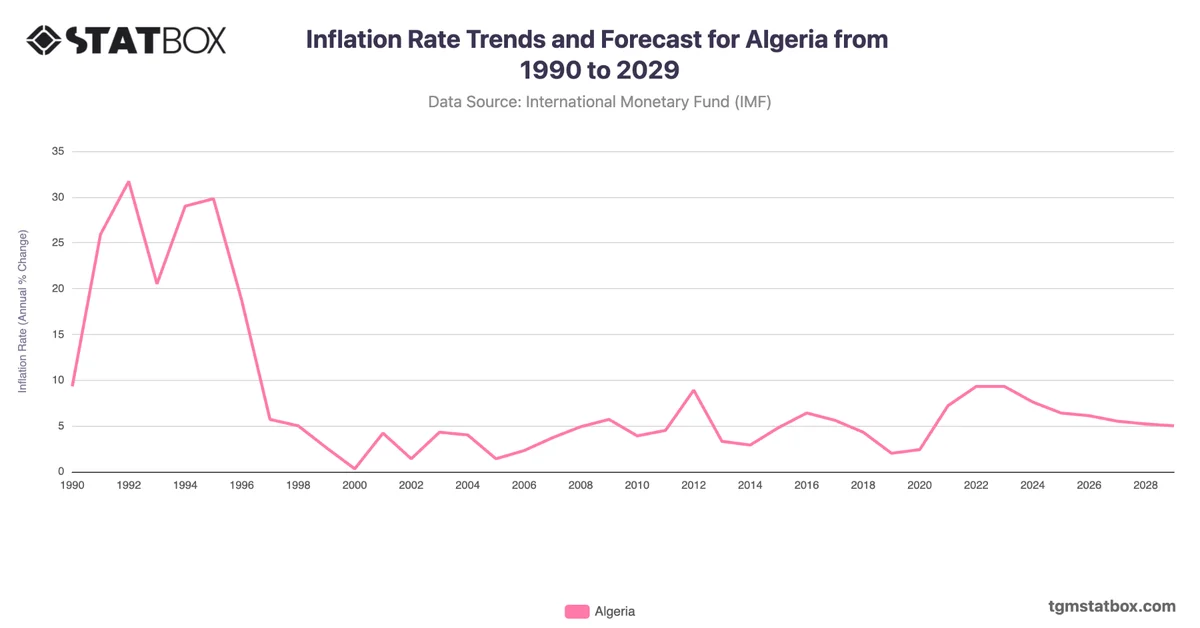
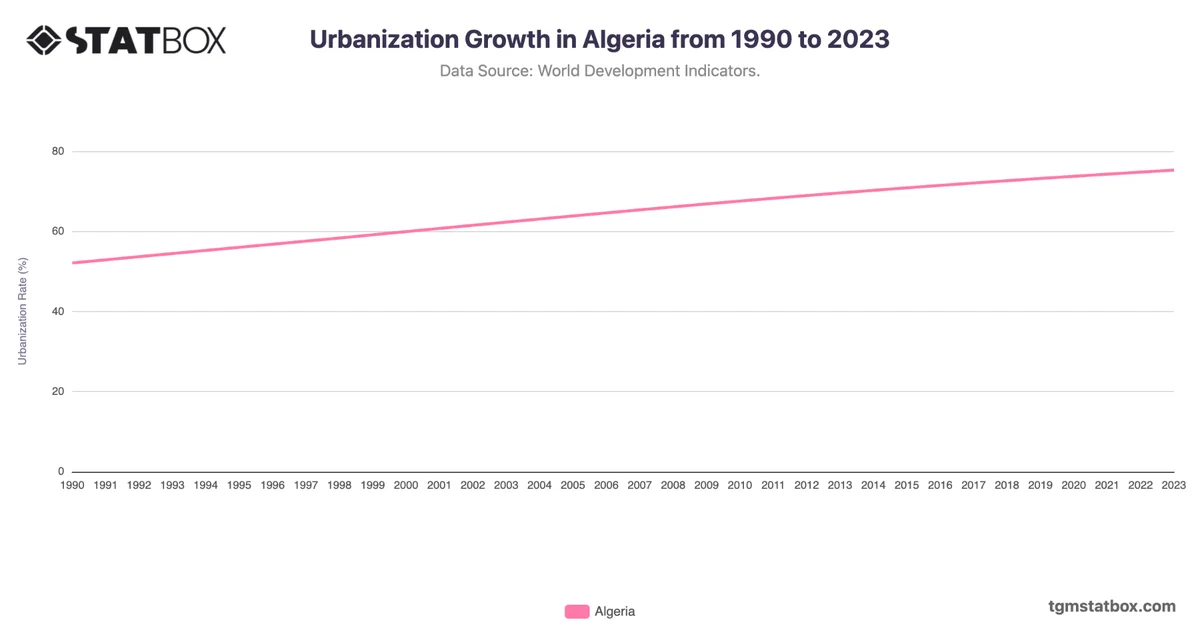
Agriculture’s contribution to Algeria’s GDP varied significantly from 1999 to 2022, starting at 11.1% in 1999 and peaking at 13.8% in 2020. The early 2000s saw a gradual decline as the country increased its focus on hydrocarbon exports. However, from 2015 onward, agriculture’s GDP share increased steadily, partly due to government efforts to diversify the economy and reduce dependency on oil revenues.
The rise to 13.8% in 2020 aligns with a renewed emphasis on food security, particularly during the COVID-19 pandemic, which disrupted global supply chains and highlighted the importance of self-sufficiency. Despite fluctuating levels, agriculture remains a key sector in Algeria’s economy, especially for rural employment and domestic food production.
The rise to 13.8% in 2020 aligns with a renewed emphasis on food security, particularly during the COVID-19 pandemic, which disrupted global supply chains and highlighted the importance of self-sufficiency. Despite fluctuating levels, agriculture remains a key sector in Algeria’s economy, especially for rural employment and domestic food production.
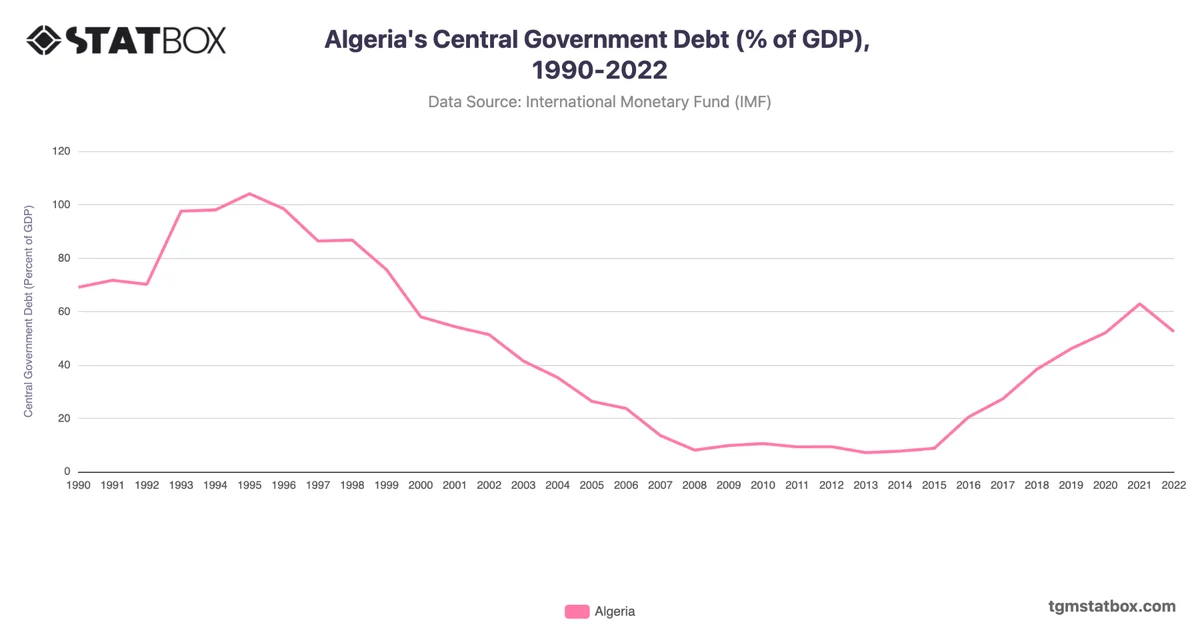
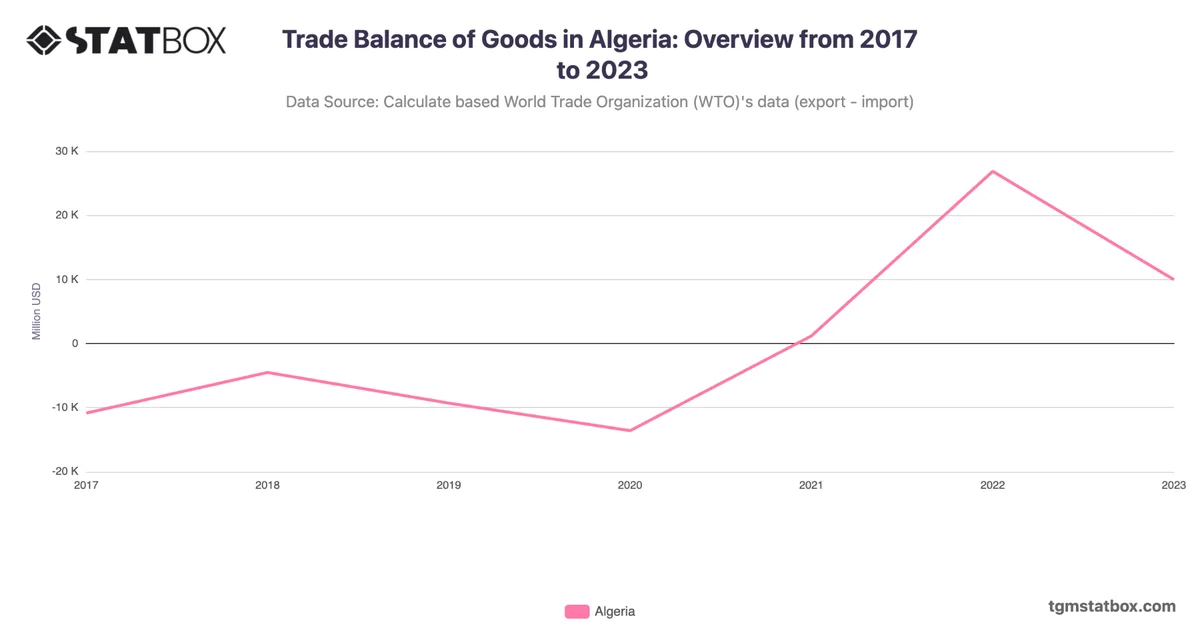
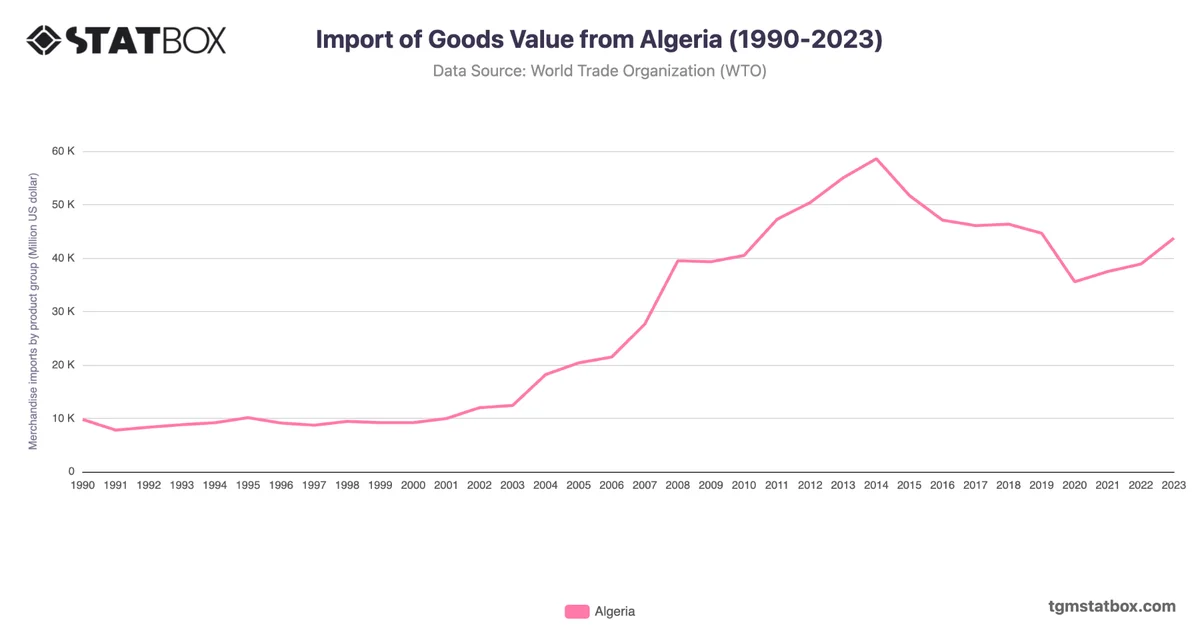
Gain a broader perspective by reviewing Algeria’s goods import value, Algeria’s net lending/borrowing as a percentage of GDP, Algeria’s manufacturing sector share in GDP.