Latent Pet Affinity Versus Practical Ownership Constraints in Japan
Pet ownership sits at the intersection of lifestyle choice, household circumstance, and personal preference. In Japan, where urban density and residential conditions can shape the feasibility of keeping pets, understanding the gap between emotional affinity and actual ownership capacity is commercially relevant for pet industry stakeholders.
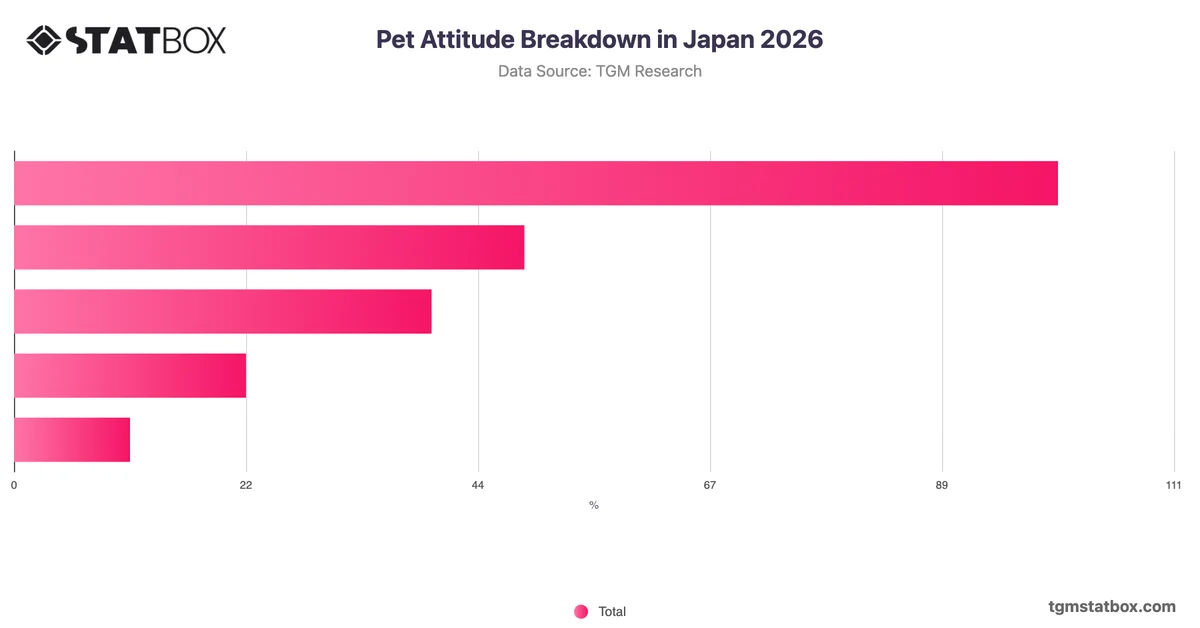
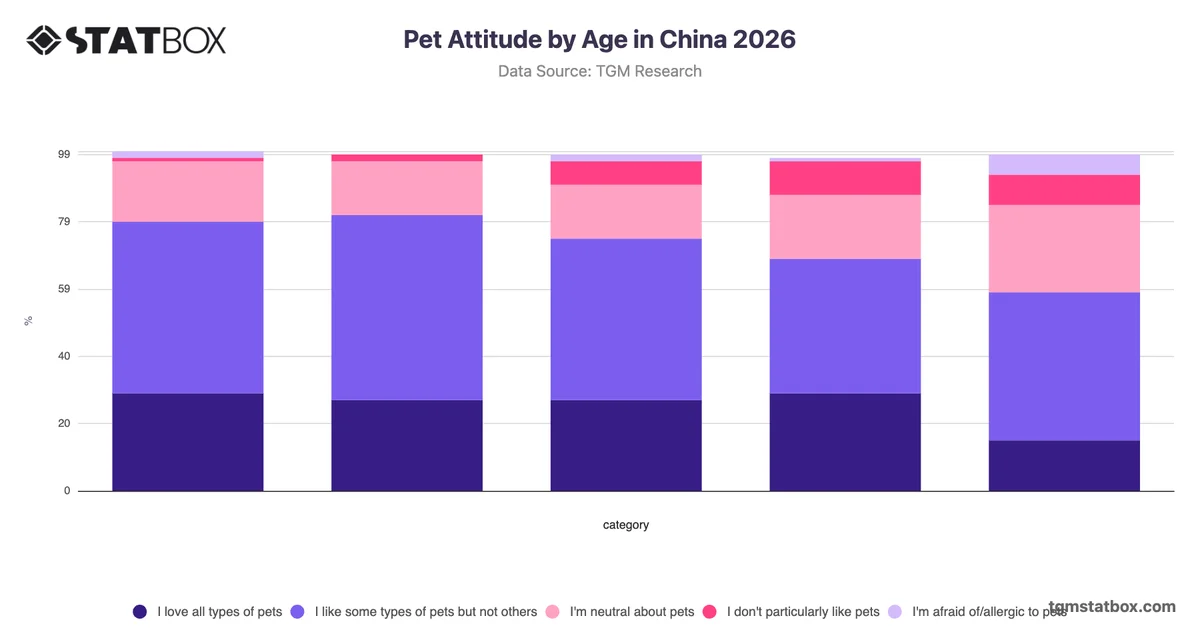
The most analytically significant pattern in Japanese pet attitudes is the disconnect between broad affinity and the ability or willingness to act on it. Nearly a third of respondents express genuine love for pets yet cite circumstances that prevent ownership, while a further 23% hold positive feelings but actively choose not to own one. Together, these two groups account for more than half of the adult population, pointing to a market where emotional engagement with pets is widespread but does not translate into ownership intent. Negative or avoidant attitudes, including dislike, fear, and allergy, remain comparatively limited. For pet product and service providers, this suggests prioritising communication and product formats, such as pet-friendly experiences or temporary pet interaction services, that serve affinity-driven non-owners rather than focusing solely on existing pet owners.