Portugal experienced a steep decline in military personnel from 87,000 in 1990 to 43,000 by 2008, reflecting the broader trend of European militaries reducing their forces after the Cold War. Notable spikes, such as the jump to 122,000 in 1994, likely resulted from temporary policy adjustments. By 2010, numbers stabilized around 43,000 but declined further to 33,000 by 2016, influenced by budgetary constraints and the shift toward professionalizing the military post-Cold War.
This steady downsizing aligns with Portugal's transition from a conscription-based system to a professional armed force, emphasizing smaller, more agile units. The reductions also reflect Portugal’s strategic focus on its NATO commitments and limited involvement in large-scale military operations during this period.
This steady downsizing aligns with Portugal's transition from a conscription-based system to a professional armed force, emphasizing smaller, more agile units. The reductions also reflect Portugal’s strategic focus on its NATO commitments and limited involvement in large-scale military operations during this period.
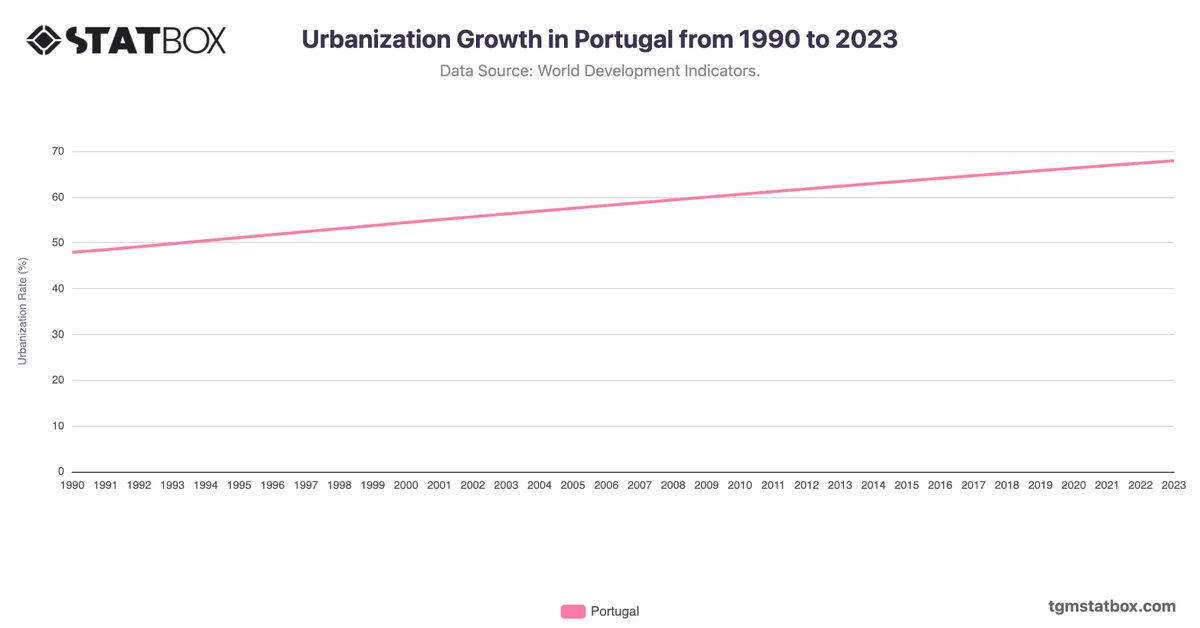
Gain a broader perspective by reviewing Portugal’s net lending/borrowing as a share of GDP, Portugal’s agriculture sector share in GDP, urban expansion in Portugal.