Statistics library
Explore a wide range of consumer insights and statistics across industries. Discover charts on behaviors, preferences, attitudes, and market trends to find the data most relevant to your research and decision-making.
 Pro
Pro
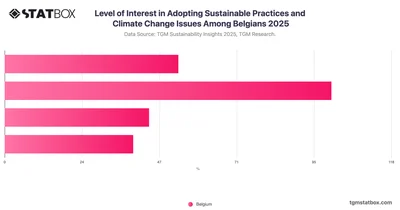
In Belgium, the momentum for climate-conscious living is growing but not without its hesitations. Only 22% of Belgians report being very interested in adopting sustainable practices.
 Pro
Pro
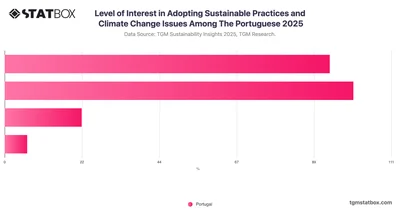
In Portugal, interest in sustainable living and climate action runs high. Nearly half of people describe themselves as “somewhat interested”.
 Pro
Pro
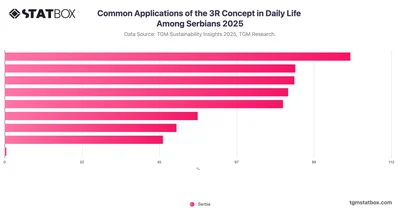
In Serbia, people apply the 3R concept in several practical ways that directly support sustainability. The most common approach is saving natural resources (45%).
 Pro
Pro
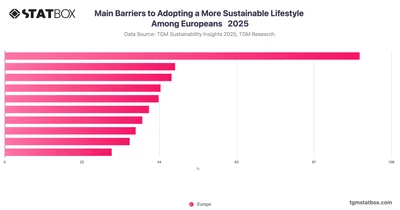
For many Europeans, the path to a more sustainable lifestyle is blocked by everyday challenges. The biggest barrier is cost, nearly half say sustainable products are simply too expensive.
 Pro
Pro
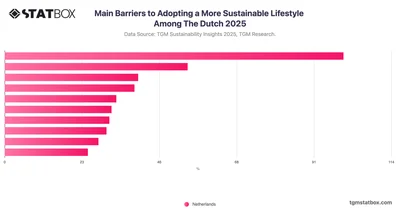
The high cost of sustainable products is the biggest obstacle to adopting a greener lifestyle, closely followed by the time and effort required to make such changes.
 Pro
Pro
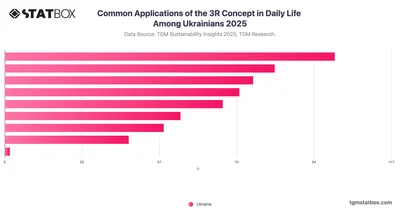
The “3R” principles — Reduce, Reuse, Recycle — are applied in different ways among Ukrianians, with reusing materials and products (43%) leading the way.
 Pro
Pro
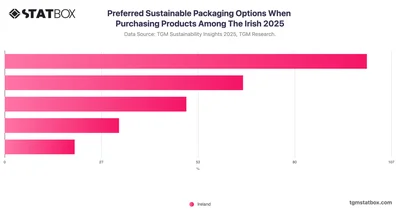
TGM StatBox data shows which sustainable packaging options Irish consumers prefer when purchasing products, based on a 2025 survey.
 Pro
Pro
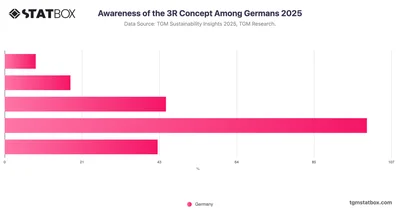
Despite Germany’s reputation for environmental leadership, the 3R concept Reduce, Reuse, Recycle remains largely unfamiliar to its citizens.
 Pro
Pro
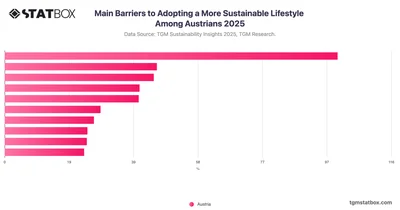
Cost remains the steepest hill on Austria’s path to sustainability: 51.7% of respondents flag high prices as their main barrier. Learn more on TGM StatBox.
 Pro
Pro
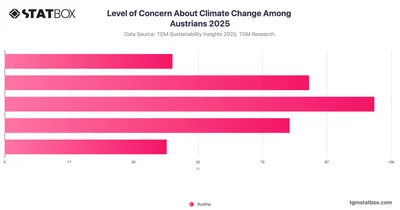
Climate concern in Austria simmers more than it blazes. Only 12.6% identify as extremely concerned, and a mere 22.1% are very concerned, surprising numbers in a country where climate impacts are increasingly visible.
 Pro
Pro
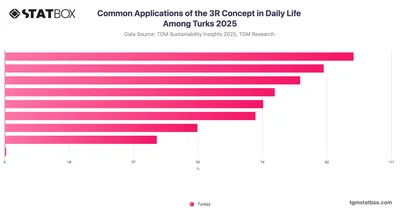
For many in Turkey, living the 3Rs means protecting what they already have. the most common 3R actions are saving natural resources and recycling at home or work.
 Pro
Pro
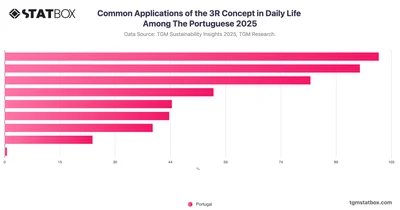
The most common aplication of 3Rs in Portugal are recycling at home or work (68%) and reusing materials and products (64%).
 Pro
Pro
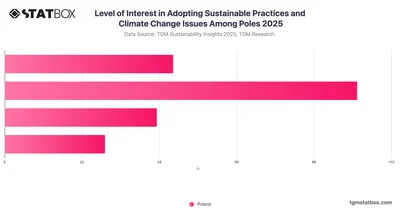
In Poland, most people show at least some interest in sustainability and climate change. Nearly 46% say they are somewhat interested.
 Pro
Pro
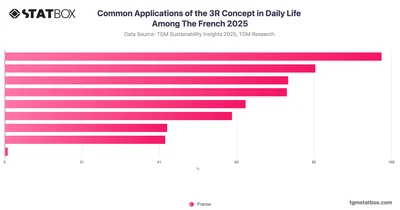
Recycling leads the way. 48.7% of French respondents actively recycle at home or work, signaling a habit shaped by long-standing national waste policies and color-coded bin systems.
 Pro
Pro
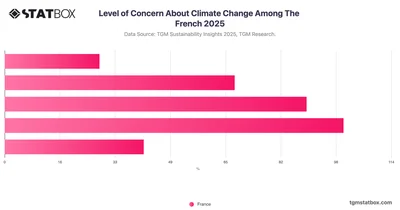
Only 12.6% of French respondents say they are “extremely concerned” about climate change, even as the country faced record-breaking heatwaves and wildfires in 2022.
 Pro
Pro
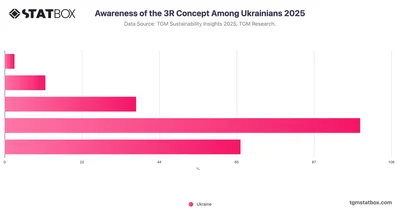
In Ukraine, awareness of the “3R” concept — Reduce, Reuse, Recycle — is very limited. Nearly half of respondents say they are definitely not familiar with it.
 Pro
Pro
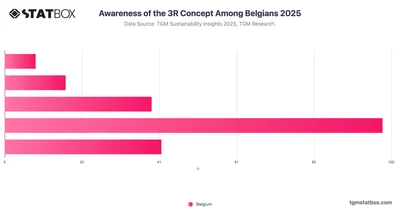
48.9% of Belgians responded definitely no when asked about familiarity with the 3R concept, revealing a striking awareness gap in a country with some of the highest recycling rates in Europe.
 Pro
Pro
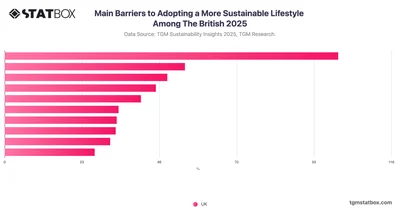
In the UK, the most common barrier to sustainable living is high costs. Other challenges include limited or poor facilities and a lack of time or convenience.
 Pro
Pro
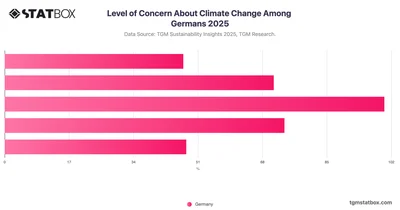
Germany’s climate concern sits in the middle lane. 14.1% describe themselves as extremely concerned. 29.5% say they are moderately concerned, while 21.7% are very concerned.
 Pro
Pro
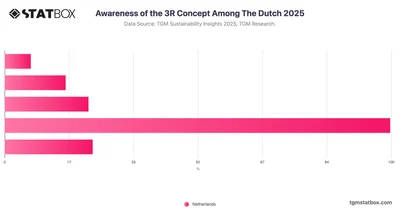
In the Netherlands, awareness of the “3R” concept—Reduce, Reuse, Recycle—is quite low. About 59.8% say they are definitely unfamiliar, while a small group are unsure.
 Pro
Pro
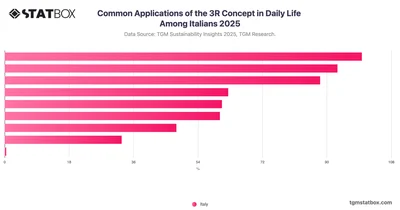
For Italians who do engage with the 3R concept, action tends to be pragmatic and cost-driven. 55.43% reduce waste and related expenses.
 Pro
Pro
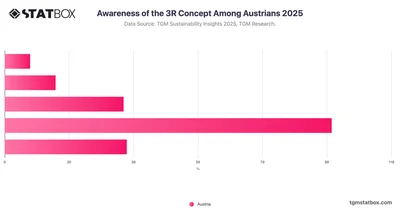
Austria recycles, but over 50.8% say they’ve never heard of the 3R concept: Reduce, Reuse, Recycle. Another 19% are unsure, and 18.5% lean toward no.
 Pro
Pro
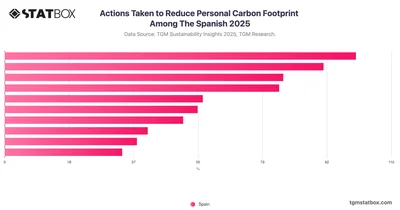
Recycling, water-saving, and energy-efficient upgrades dominate Spain’s low-carbon toolkit. Sustainable behavior often starts with accessible home and lifestyle changes.
 Pro
Pro
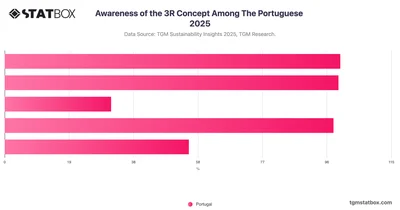
In Portugal, awareness of the “3R” concept — Reduce, Reuse, Recycle — is fairly balanced across the population. Around one in four people say they are definitely familiar with it.
 Pro
Pro
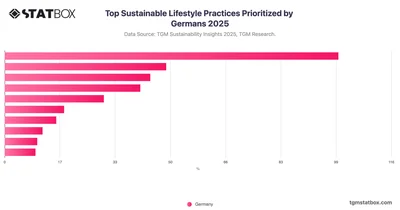
Tangible, home-based actions take priority, while community-level or systemic changes remain out of reach for most. 30.2% prioritize minimizing usage.
 Pro
Pro
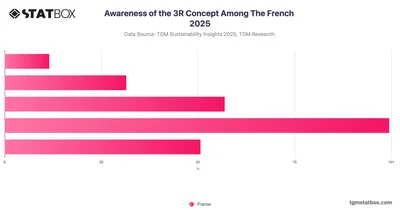
France faces a surprising knowledge gap: nearly 40% of respondents say they are definitely unfamiliar with the 3R concept (Reduce, Reuse, Recycle).
 Pro
Pro
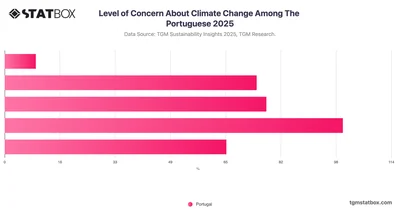
Nearly one in three of Portuguese say they are very concerned about climate change, while about a quarter describe their concern as moderate.
 Pro
Pro
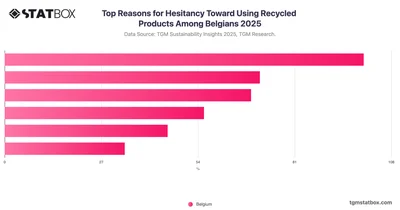
TGM StatBox data highlights the main reasons Belgians feel hesitant about using products made from recycled materials, based on a 2025 survey.
 Pro
Pro
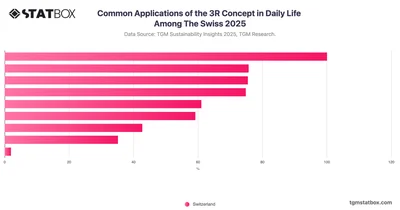
The most common 3R habits among the Swiss are recycling at home or work (50%), reducing waste and costs, and reusing materials and products.
 Pro
Pro
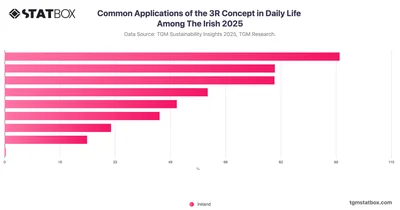
In Ireland, the 3R concept finds its strongest expression through recycling. 60.64% practice it at home and work, driven by well-established bin systems and local council mandates.