Statistics library
Explore a wide range of consumer insights and statistics across industries. Discover charts on behaviors, preferences, attitudes, and market trends to find the data most relevant to your research and decision-making.
 Pro
Pro
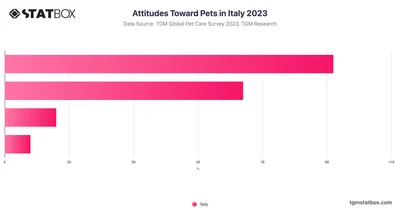
37% of Italians prefer specific types of pets. This trend may be influenced by lifestyle choices and personal experiences that lead individuals to favor certain animals over others.
 Pro
Pro
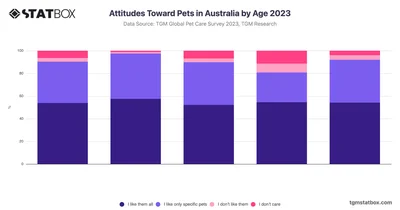
Women in Australia show a higher tendency to like all types of pets, with 56.70% expressing this attitude compared to 50.45% of males.
 Pro
Pro
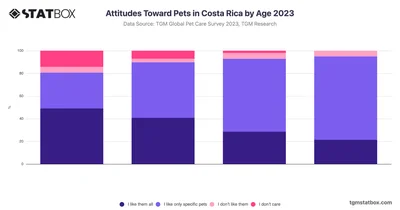
Costa Rican younger people aged 18-24 show the highest universal pet acceptance at 48% saying "I like them all" while this percentage steadily decreases with age.
 Pro
Pro
Among the younger demographics, particularly those aged 18-24, a significant 44% expressed a liking for all pets, while 49% preferred only specific pets.
 Pro
Pro
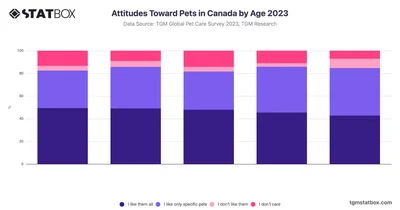
In Canada, 48% of adults aged 18–34 say they like all pets, while preference for specific pets rises with age. Explore pet attitudes by age on TGM StatBox.
 Pro
Pro
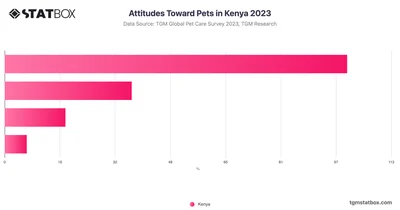
Kenyans' attitudes toward pets show a distinct preference pattern, with a significant majority (62%) of respondents indicating they "like only specific pets".
 Pro
Pro
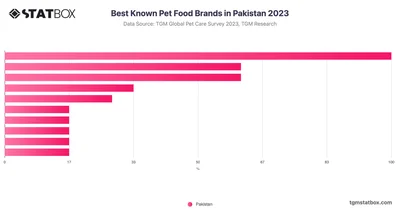
Royal Canin emerges as the top choice among Pakistani pet owners, capturing 18% of the market. This brand's popularity suggests a preference for premium pet nutrition.
 Pro
Pro
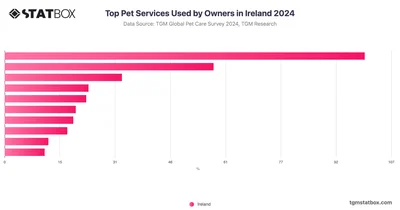
The most commonly used pet service in Ireland is veterinary care, with 65.18% of pet owners utilizing this essential service.
 Pro
Pro
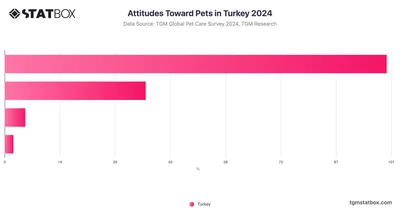
In Turkey, attitudes towards pets are predominantly positive, with a significant majority of 69.16% of respondents saying they like all pets.
 Pro
Pro
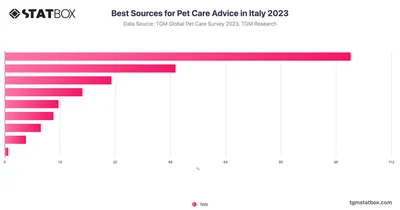
Veterinarians serve as Italy's primary pet care advisors, consulted by 62.64% of owners, while digital resources and pet stores serve as supplementary information channels.
 Pro
Pro
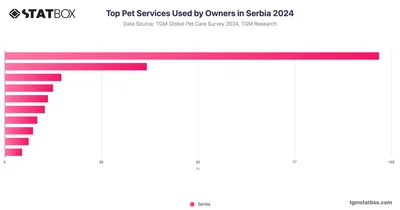
Veterinary care is the most commonly used service, with a usage rate of 77.5%. 29.4% of owners opting for professional grooming to maintain their pets' hygiene and appearance.
 Pro
Pro
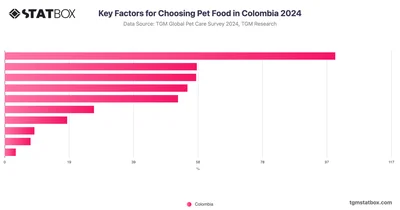
In Colombia, the top factors for choosing pet food are quality (25.65%), veterinarian recommendations (14.91%), and price (14.86%).
 Pro
Pro
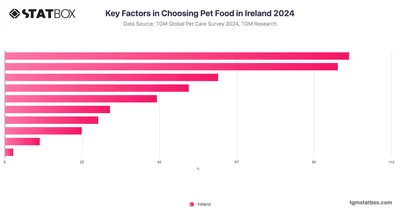
In Ireland, quality stands out as the most important consideration, with 22.27% of respondents identifying it as their top priority when choosing pet food.
 Pro
Pro
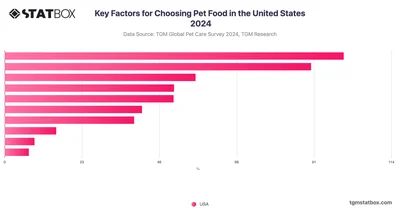
Quality is paramount, with 25.12% of respondents prioritizing it when selecting food options. Price follows as a significant consideration for 17.36% of pet owners.
 Pro
Pro
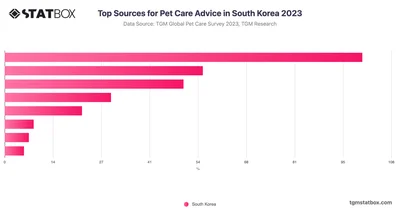
37% of South Korean pet owners turn to social media for advice, indicating a trend towards community-driven and experiential learning.
 Pro
Pro
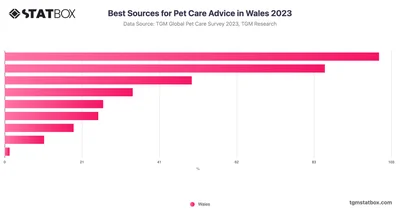
In Wales, pet owners rely heavily on veterinarians, with 48.41% indicating they consult their vets for pet care advice. Other notable sources include pet stores and the internet.
 Pro
Pro
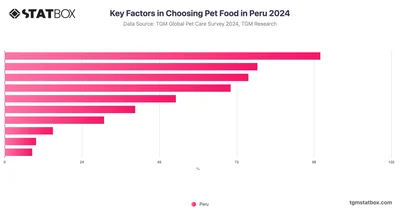
In Peru, pet owners prioritize key factors when choosing pet food. The most significant is quality at 20.41%, followed by price and veterinarian recommendations.
 Pro
Pro
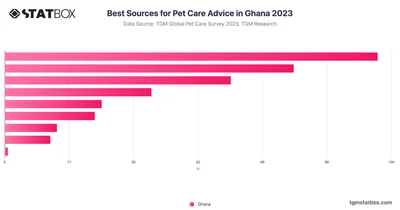
Internet searches are the primary source of pet care information in Ghana, with 57.87% of pet owners relying on this method, while vets and social media rank next.
 Pro
Pro
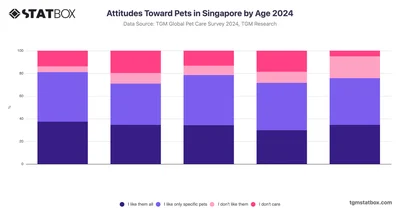
Most Singaporeans either like all pets or have preferences for specific pets, with females showing a notably higher preference for specific pets compared to males.
 Pro
Pro
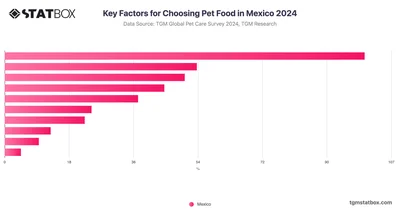
Quality stands out as the primary concern, with over a quarter (27.93%) of owners emphasizing its importance, surpassing the global norm.
 Pro
Pro
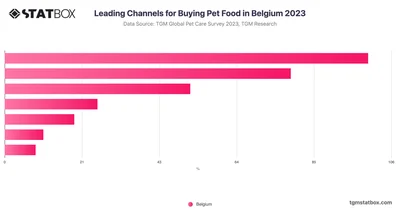
Supermarkets dominate the pet food market in Belgium, with 47% of respondents choosing them as their primary purchasing channel. Pet owners seek convenience when buying pet food.
 Pro
Pro
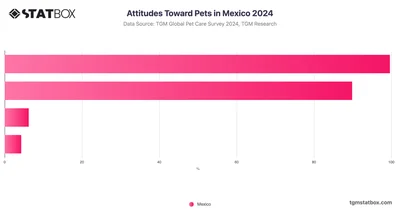
In Mexico, 44.93% of people like all pets, while a slightly larger proportion, 49.82%, prefer specific types, resulting in a fairly even split in preferences.
 Pro
Pro
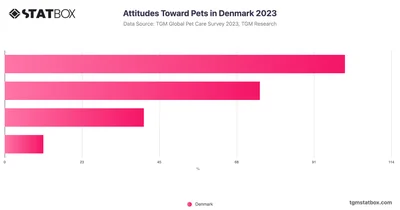
Only 5% of Danish participants reported a dislike for pets, aligning with global trends. Additionally, 18% of respondents expressed indifference.
 Pro
Pro
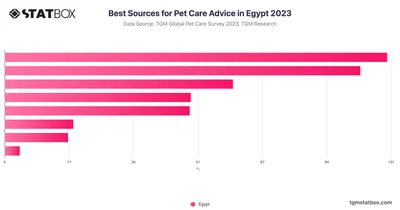
Veterinarians are the most trusted source of pet care information, with 59.34% of pet owners relying on their expertise. Internet searches are the second most popular resource.
 Pro
Pro
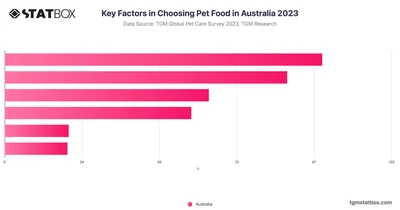
Quality is the primary factor for 82.12% of Australian pet owners when buying pet food, and more than half also prioritize products that address specific health concerns.
 Pro
Pro
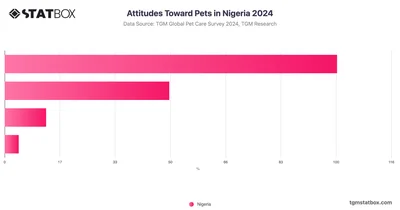
The majority of Nigerians (60.17%) express a preference for specific pets, significantly higher than the global average. Indifference towards pets is relatively low at 2.54%.
 Pro
Pro
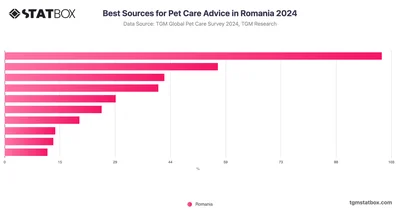
Veterinarians are the most trusted source of pet care information in Romania, with 68.28% of pet owners consulting them for advice.
 Pro
Pro
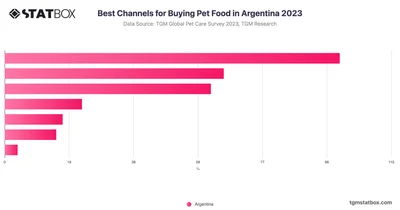
In Argentina, 52% of pet owners prefer independent pet stores or small pet chains for purchasing pet food. Convenience stores are also a popular choice.
 Pro
Pro
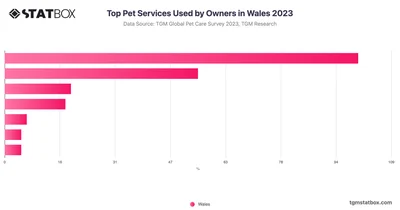
The most commonly used pet service is the veterinarian, with 64% of Welsh pet owners utilizing this service. The second most popular service is the groomer
 Pro
Pro
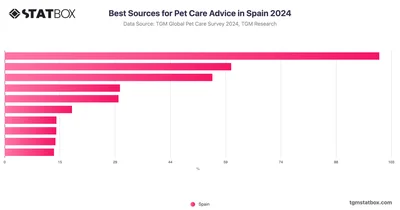
In Spain, pet owners predominantly seek advice on pet care from veterinarians, with 67.82% citing them as their primary source of information.