Charts library
Not sure where to start? Dive into a diverse selection of charts and data visualizations across topics, and find the information you need to drive your research and analysis.
 Pro
Pro
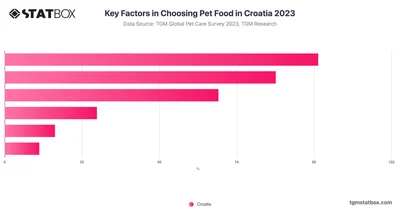
Price is a significant consideration for 70.12% of pet owners in Croatia, pushing pet food providers to offer competitive pricing without sacrificing quality.
 Pro
Pro
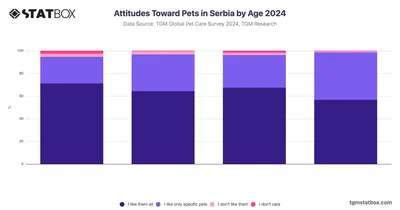
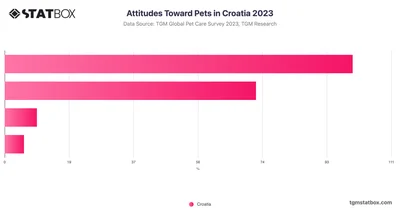
64.43% of respondents expressed a preference for all pets, with a notable inclination among younger individuals aged 18-24. In contrast, those aged 45-54 showed a lower affinity.
 Pro
Pro
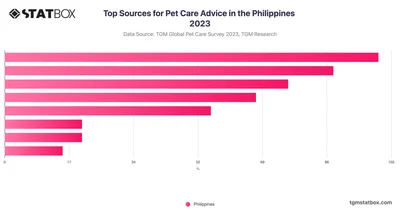
Veterinarians are a crucial source of reliable pet care advice, with 51% of respondents consulting them. Social media is also a significant source, used by 44% of pet owners
 Pro
Pro
Only 3% of respondents in Croatia report a general dislike for pets, marking one of the lowest rates globally and highlighting the nation's positive attitude toward animals.
 Pro
Pro
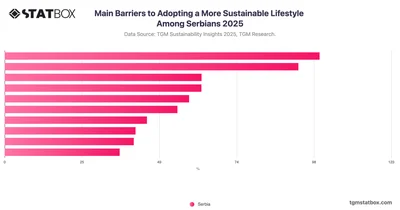
For many Serbians, the biggest barriers to sustainable living are lmited recycling or composting facilities (41%) and the high price of eco-friendly products.
 Pro
Pro
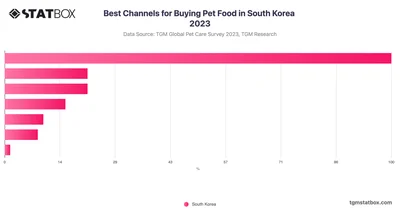
In South Korea, 70% of respondents buy pet food online, showing a strong preference for the convenience and variety offered by digital platforms.
 Pro
Pro
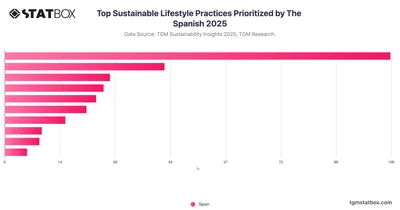
Sustainability priorities in Spain start with conserving water, a concern for over a third of respondents. Waste reduction through recycling and composting is the next most common.
 Pro
Pro
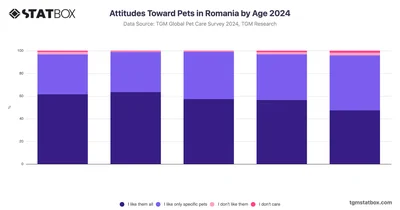
Romanian younger individuals aged 18 to 24 show the highest inclination towards pets, while those aged 55 and older demonstrate a notable decline in enthusiasm.
 Pro
Pro
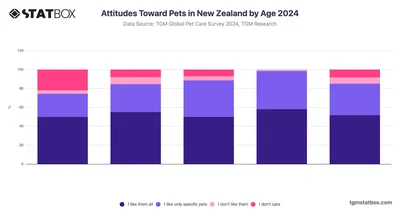
In New Zealand, both men and women show a strong preference for pets, with 54.1% of women and 52.4% of men indicating they "like them all".
 Pro
Pro
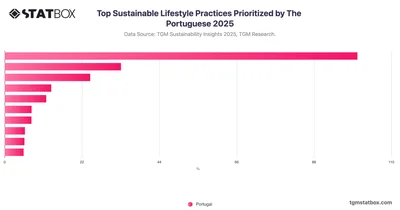
In Portugal, the most common way people bring sustainability into daily life is by saving water, nearly half of respondents make it their top priority.
 Pro
Pro
missing
 Pro
Pro
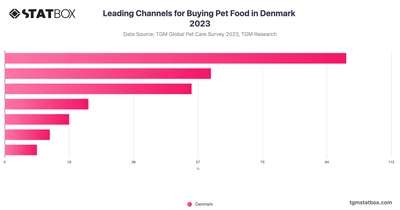
In Denmark, pet specialty chains dominate as the primary choice for purchasing pet food, with 53% of respondents opting for this channel.
 Pro
Pro
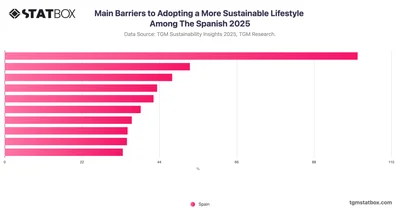
For many Spaniards, going green comes at a high price, nearly half cite the cost of sustainable products as their top barrier. Missing recycling facilities also holds people back.
 Pro
Pro
missing
 Pro
Pro
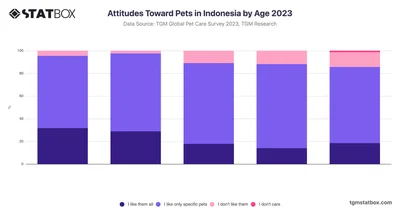
Younger Indonesians, particularly those aged 18-24, are more enthusiastic about pets, with 31.74% expressing a liking for all pets.
 Pro
Pro
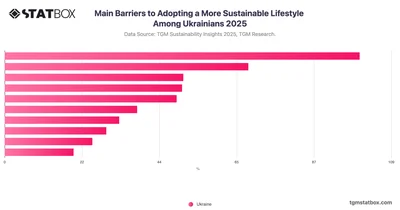
For many Ukrainians, the road to a more sustainable lifestyle is blocked by practical and financial hurdles. The biggest challenge is high costs, cited by 46% of respondents.
 Pro
Pro
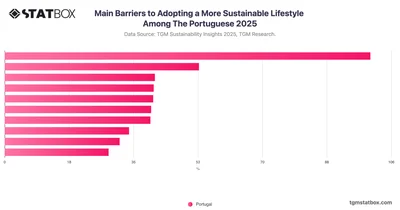
In Portugal, the biggest challenge to living more sustainably is cost. More than half of people say eco-friendly products are too expensive. Transport is another problem.
 Pro
Pro
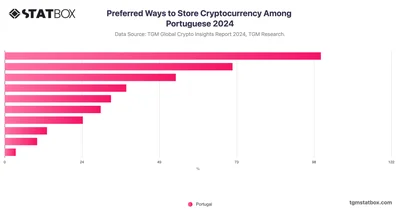
In Portugal, most crypto users (41%) prefer mobile wallets and apps, with brokerages and payment services also popular, showing a shift toward convenience.
 Pro
Pro
missing
 Pro
Pro
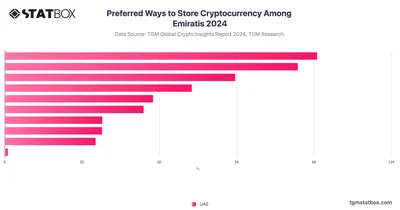
40.4% of Emiratis store crypto in mobile wallets, while a sizable group rely on exchanges, balancing convenience with the security risks of centralized platforms.
 Pro
Pro
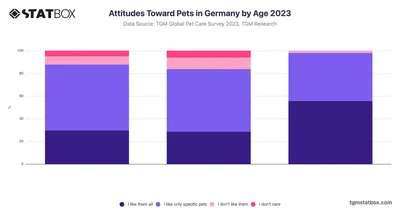
The survey shows a notable preference for liking all pets among older adults aged 35-44, with 55% expressing this attitude. Contrarily, younger age groups exhibit lower percentages.
 Pro
Pro
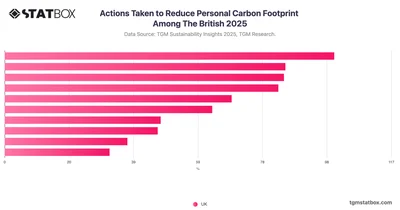
For many in the UK, reducing their carbon footprint starts at home. Recycling, saving water, and switching to energy-efficient appliances are the most common habits.
 Pro
Pro
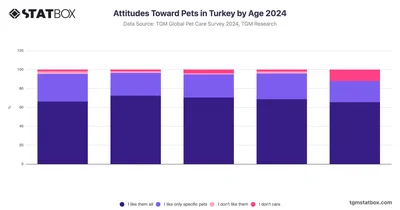
Turkish women are slightly more likely than men to like all pets. The 25-34 age group shows the highest overall pet appreciation, while those 55+ have the lowest.
 Pro
Pro
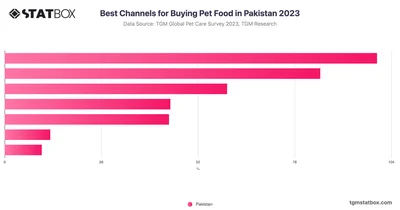
38.52% of respondents make pet food on their own, highlighting a preference for personalized nutrition and possibly cost-saving strategies among pet owners in Pakistan.
 Pro
Pro
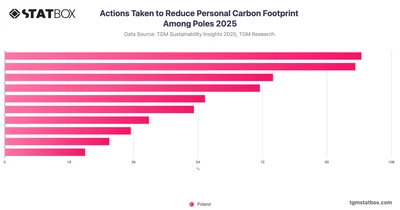
In Poland, the most common steps people take to cut their carbon footprint are practical, everyday actions. Topping the list is reducing water use (55%).
 Pro
Pro
missing
 Pro
Pro
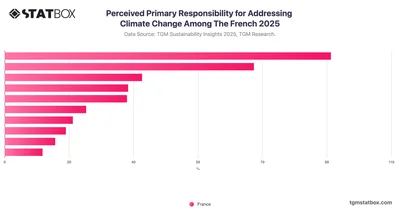
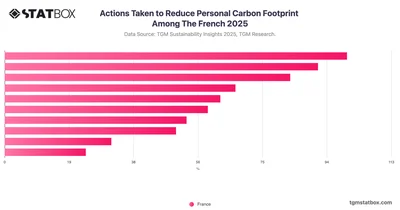
In France, over half of respondents actively reduce water usage, making it a top personal climate action that likely gained traction during recent national drought emergencies.
 Pro
Pro
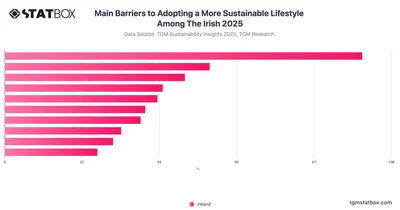
46.24% Irish cite high costs as their main barrier, reflecting frustration with premium-priced eco-goods and limited subsidies for green alternatives.
 Pro
Pro
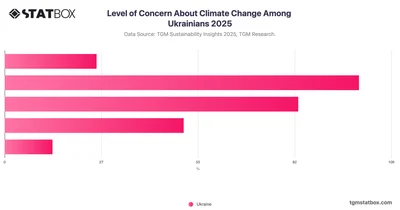
The largest share, about 41% of ukrianians, say they are somewhat interested, while a siginificant smaller group are very interested.
 Pro
Pro
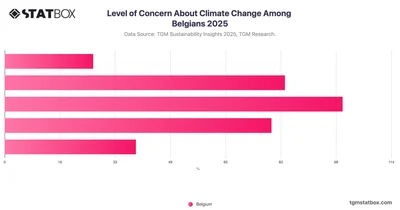
In Belgium, climate concern hovers in the midrange. Just 11.88% say they’re extremely concerned, while 24.15% are very concerned.