Charts library
Not sure where to start? Dive into a diverse selection of charts and data visualizations across topics, and find the information you need to drive your research and analysis.
 Pro
Pro
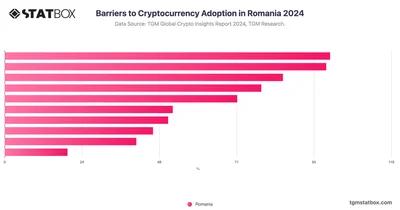
Lack of trust in platforms (42.1%) and lack of understanding are the top barriers to cryptocurrency adoption in Romania.
 Pro
Pro
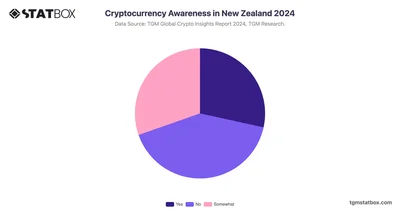
28.4% of respondents show full awareness, representing a key group of early adopters or investors ready to engage more with cryptocurrency and drive broader adoption.
 Pro
Pro
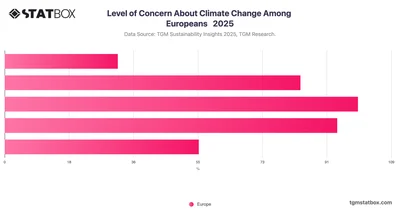
Across Europe, most people are concerned about climate change, but not in the same way. Many sit in the “moderately” or “very concerned” range.
 Pro
Pro
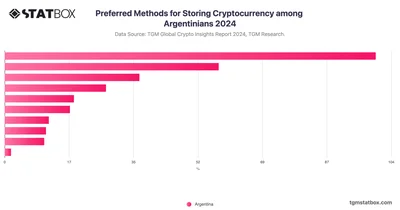
Argentina shows strong adoption of mobile-based financial solutions, with mobile wallets and apps emerging as the most preferred method for storing cryptocurrency.
 Pro
Pro
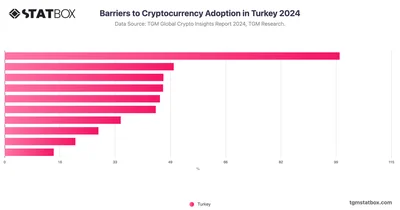
Security concerns, cited by 60.6% of respondents, are the biggest barrier to cryptocurrency adoption in Turkey, followed by concerns over price volatility.
 Pro
Pro
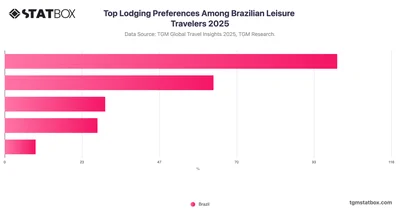
Brazilian leisure travelers prioritize affordability, with 43% opting for budget-friendly accommodations and 27% preferring deluxe 3- or 4-star hotels.
 Pro
Pro
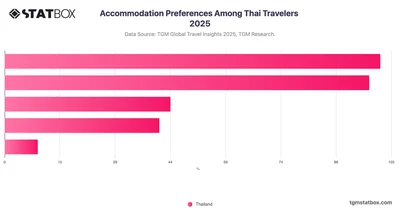
Thai tourists in 2025 balance budget and deluxe stays, favoring comfort and value, with growing interest in villas and home-style lodging for flexibility.
 Pro
Pro
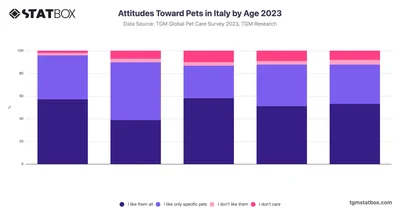
Among young Italians aged 18-24, 56% express a preference for all types of pets. This trend slightly decreases in the 25-34 age group, then rises again among those aged 35-44.
 Pro
Pro
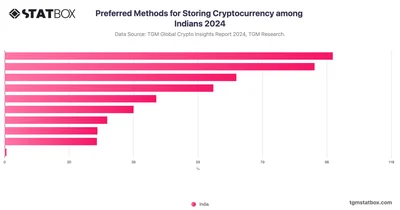
In India, cryptocurrency exchanges and mobile wallets are the top choices for storing crypto, with around half of users relying on each.
 Pro
Pro
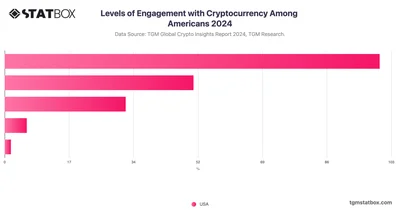
18.8% of Americans want to learn about crypto but don’t own any, while a larger group shows no interest, highlighting the need for education and real-world use cases.
 Pro
Pro
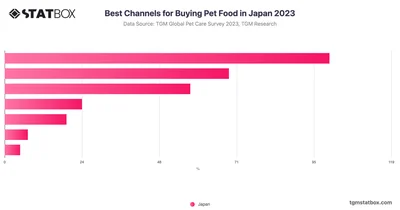
Online platforms are the second most popular choice. The rise in e-commerce reflects the growing preference for a wider range of products available online.
 Pro
Pro
45.6% of Austrians have used cryptocurrency, while a relatively similar proportion have not, showing both a strong foundation and a major opportunity for wider adoption.
 Pro
Pro
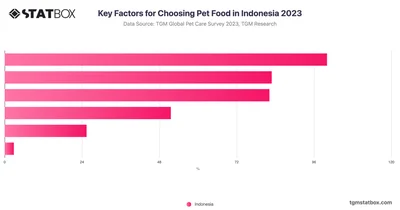
Indonesian pet owners prioritize quality, with 83.37% citing it as the most important factor in purchasing pet food, while 69.07% consider price a significant concern.
 Pro
Pro
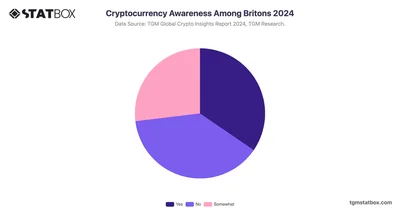
34.5% of individuals in the UK are familiar with cryptocurrency, while most Britons remain either unfamiliar or only somewhat knowledgeable about it.
 Pro
Pro
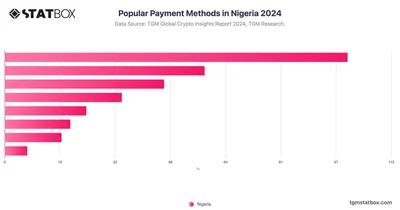
In Nigeria, paying with cash is still the go-to choice for most people, with about 6 out of 10 preferring it whenever possible. But digital payments aren’t far behind.
 Pro
Pro
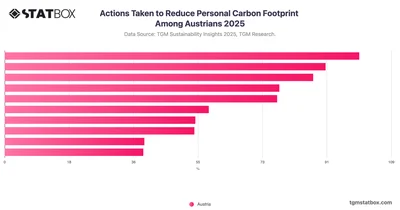
Austrians are acting where it feels tangible and immediate. Recycling leads the charge in Austria’s climate-conscious habits: 55% actively recycle and compost.
 Pro
Pro
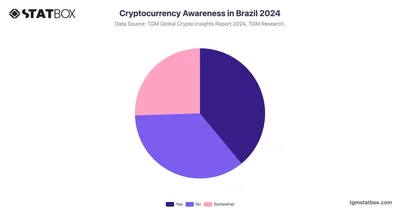
25.5% of people report being somewhat familiar with cryptocurrency. This group has a general awareness but may not fully grasp the details or potential uses of crypto.
 Pro
Pro
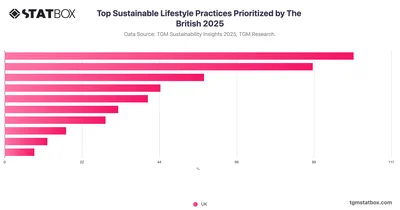
For many in the UK, going green starts with simple daily habits. Recycling and composting are the most common actions (23%), followed by conserving energy at home.
 Pro
Pro
In South Korea, quality is the top priority for 74% of pet owners when selecting pet food, as they focus on ensuring the well-being of their pets.
 Pro
Pro
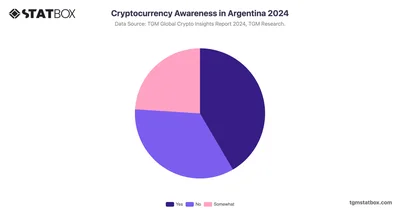
Over 40% of Argentinians are familiar with cryptocurrency, but deeper knowledge is lacking, highlighting the need for financial literacy programs to drive real adoption.
 Pro
Pro
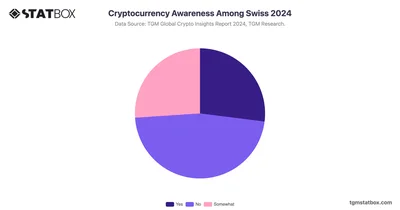
Only 27% of Swiss people are fully familiar with crypto, while a significantly larger group lacks awareness, despite Switzerland's status as a global crypto hub.
 Pro
Pro
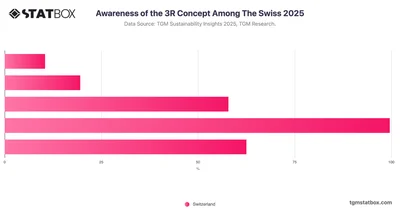
The 3R concept has yet to take root in Switzerland. Most people are unfamiliar or uncertain about its meaning, and fewer than one in ten express clear understanding.
 Pro
Pro
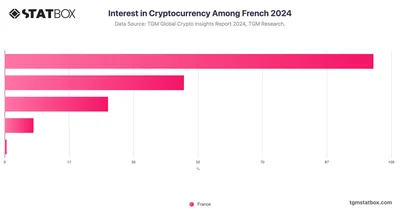
Over 50% of French respondents have no interest in cryptocurrency, posing a major adoption barrier, likely due to lack of awareness or trust in the technology.
 Pro
Pro
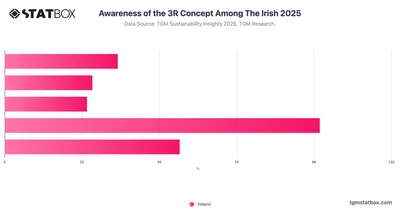
In Ireland, over 40.75% say definitely no to knowing the 3R concept (Reduce, Reuse, Recycle), despite its central role in global sustainability education.
 Pro
Pro
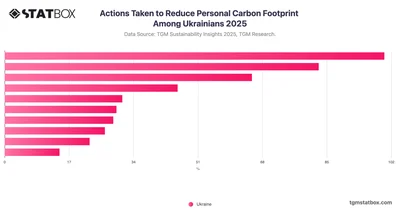
In Ukraine, cutting carbon emissions often starts with changes at home and in daily travel. The most common step is using energy-efficient appliances and bulbs (59%).
 Pro
Pro
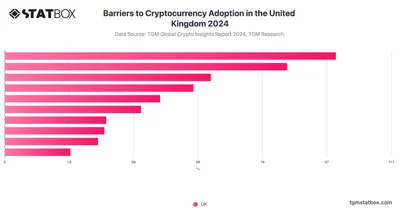
The most significant barrier to wider cryptocurrency adoption among Britons is a lack of understanding, with over 51% of respondents identifying it as the primary obstacle.
 Pro
Pro
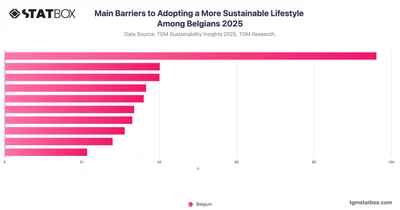
Cost leads the conversation. 48.08% of Belgians say high prices for sustainable products block their path to greener living. Affordability remains a critical gap.
 Pro
Pro
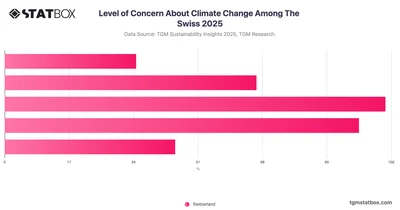
Concern about climate change in Switzerland is broad but varies in intensity. While many (57%) express moderate or strong worry, relatively few see it as an extreme threat.
 Pro
Pro
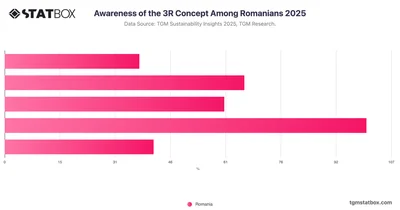
The “3Rs” — Reduce, Reuse, Recycle — aren’t yet well known in Romania. Some people know the idea, but many don’t, and only about 12% say they’re very familiar.
 Pro
Pro
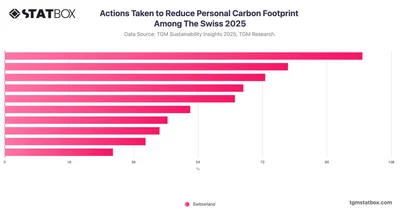
In Switzerland, the most common carbon-cutting actions are recycling and composting (56%) and choosing sustainable transport like public transit, biking, walking, or carpooling.