Charts library
Not sure where to start? Dive into a diverse selection of charts and data visualizations across topics, and find the information you need to drive your research and analysis.
 Pro
Pro
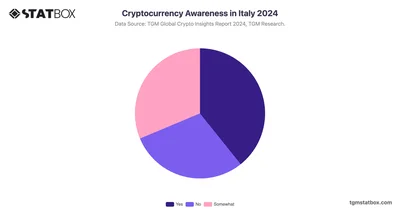
Digital currencies are gradually gaining traction and recognition in Italy, with a promising 39% of respondents familiar with cryptocurrencies like Bitcoin or Ethereum.
 Pro
Pro
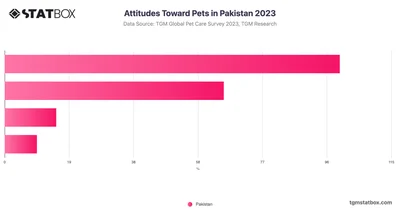
A significant proportion of respondents in Pakistan, 52%, prefer specific types of pets, indicating a selective attitude toward pet ownership in the country.
 Pro
Pro
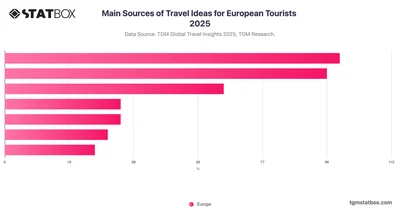
Europeans rely more on travel websites and Facebook than TikTok or Instagram, showing a preference for direct, reliable sources over influencer-driven content.
 Pro
Pro
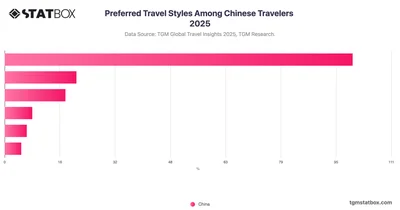
Chinese travelers overwhelmingly favor relaxation-focused trips (63%). Health and well-being and culinary experiences follow at a distance.
 Pro
Pro
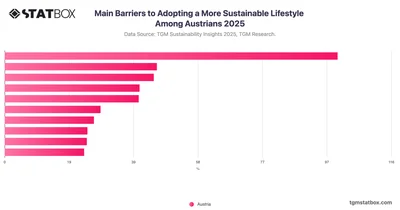
Cost remains the steepest hill on Austria’s path to sustainability: 51.7% of respondents flag high prices as their main barrier. Learn more on TGM StatBox.
 Pro
Pro
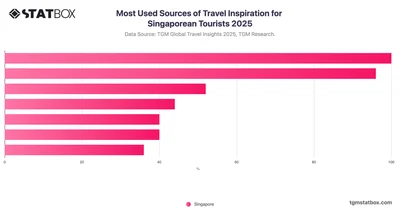
YouTube and Facebook lead travel inspiration for Singaporeans in 2025, with emotional, visual content shaping where wanderlust begins. Full data on TGM StatBox.
 Pro
Pro
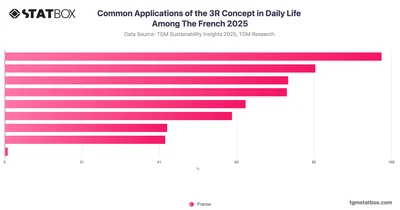
Recycling leads the way. 48.7% of French respondents actively recycle at home or work, signaling a habit shaped by long-standing national waste policies and color-coded bin systems.
 Pro
Pro
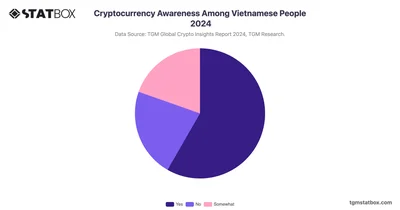
There is a strong, growing awareness of digital currencies in Vietnam, with 58.3% of the population familiar with cryptocurrencies like Bitcoin and Ethereum.
 Pro
Pro
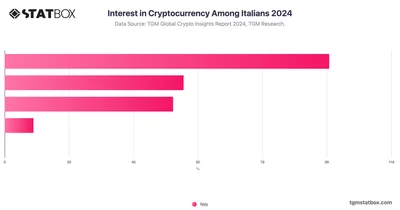
27.8% of respondents are interested in learning more about cryptocurrency but do not own any, while the majority remain uninterested, posing a challenge to wider adoption.
 Pro
Pro
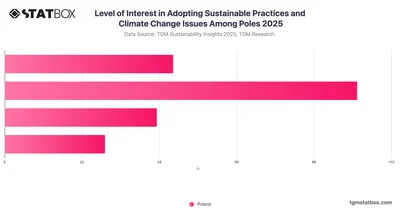
In Poland, most people show at least some interest in sustainability and climate change. Nearly 46% say they are somewhat interested.
 Pro
Pro
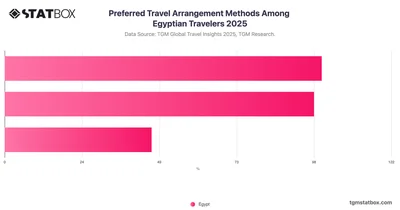
In 2025, most Egyptian travelers prefer to stay in control of their plans, either arranging trips on their own or blending personal planning with some agency support.
 Pro
Pro
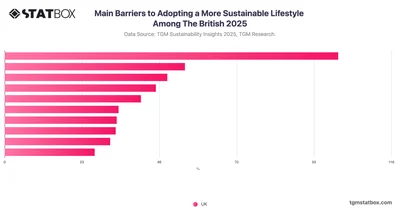
In the UK, the most common barrier to sustainable living is high costs. Other challenges include limited or poor facilities and a lack of time or convenience.
 Pro
Pro
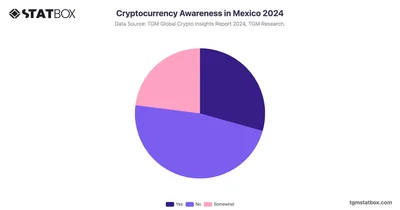
29.3% of Mexican respondents are familiar with cryptocurrencies like Bitcoin or Ethereum, while the majority remain uninformed about crypto.
 Pro
Pro
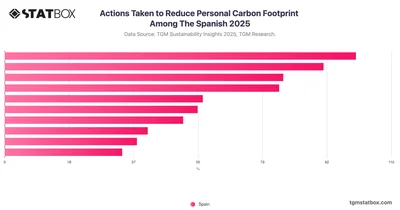
Recycling, water-saving, and energy-efficient upgrades dominate Spain’s low-carbon toolkit. Sustainable behavior often starts with accessible home and lifestyle changes.
 Pro
Pro
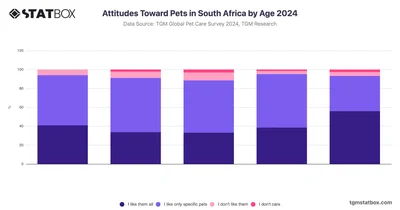
50.8% of South African males and 56.6% of females indicate they like only specific pets, with younger age groups showing particularly strong preferences.
 Pro
Pro
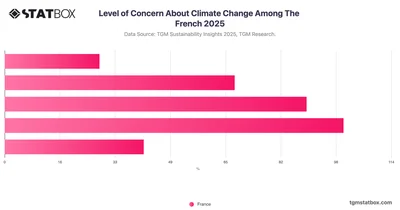
Only 12.6% of French respondents say they are “extremely concerned” about climate change, even as the country faced record-breaking heatwaves and wildfires in 2022.
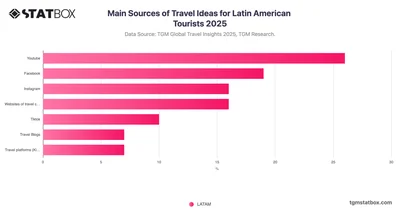
YouTube and Facebook lead travel inspiration in LATAM, reflecting a content-first, emotionally driven discovery process shaped by vlogs, reviews, and visual storytelling.
 Pro
Pro
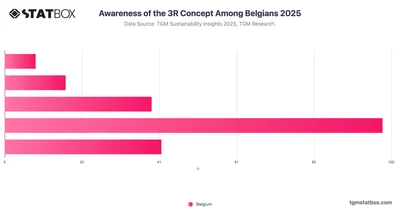
48.9% of Belgians responded definitely no when asked about familiarity with the 3R concept, revealing a striking awareness gap in a country with some of the highest recycling rates in Europe.
 Pro
Pro
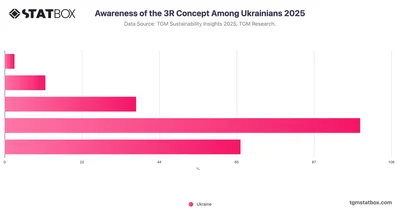
In Ukraine, awareness of the “3R” concept — Reduce, Reuse, Recycle — is very limited. Nearly half of respondents say they are definitely not familiar with it.
 Pro
Pro
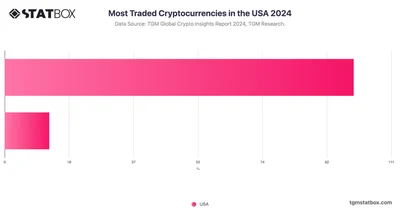
Bitcoin stands out as the most widely traded cryptocurrency in the US, with 27% of respondents indicating they have traded it.
 Pro
Pro
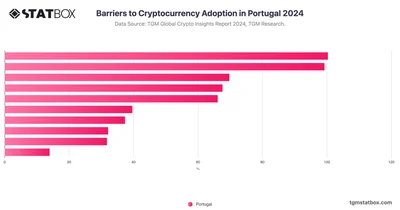
Security concerns are the leading barrier to cryptocurrency adoption in Portugal, with 50.2% of people citing them as the primary obstacle.
 Pro
Pro
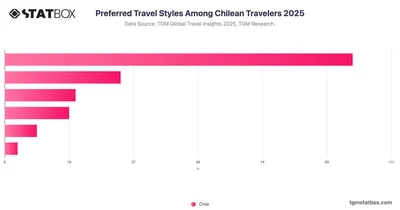
Chilean travelers show a strong preference for leisure and downtime, with 54% favoring relaxation trips, followed by cultural travel and health and well-being getaways.
 Pro
Pro
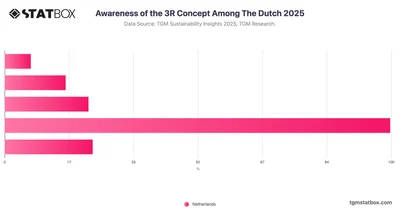
In the Netherlands, awareness of the “3R” concept—Reduce, Reuse, Recycle—is quite low. About 59.8% say they are definitely unfamiliar, while a small group are unsure.
 Pro
Pro
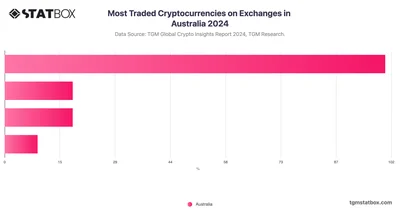
In Australia, Bitcoin is by far the most traded cryptocurrency on exchanges, with 34.5% of respondents indicating they've traded it.
 Pro
Pro
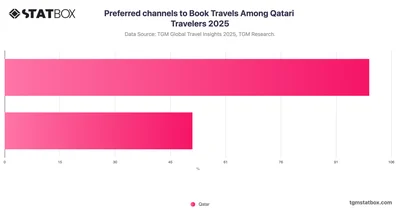
66% of Qatari travelers book trips online in 2025, but traditional agencies still play a role in planning luxury or complex travel. Full data on TGM StatBox.
 Pro
Pro
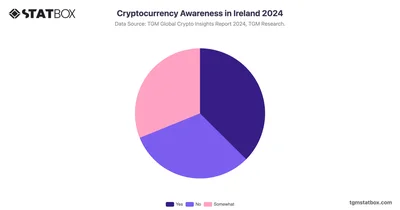
While 37.4% of respondents are fully familiar with cryptocurrencies, a significant portion remains either unfamiliar or only moderately knowledgeable.
 Pro
Pro
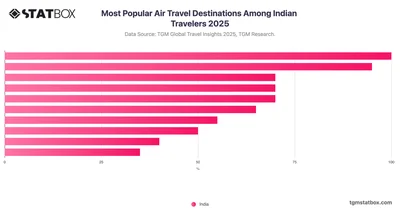
Indian travelers are exploring destinations across the globe. The Middle East takes the lead, but places like Australia, North America, and Europe are not far behind.
 Pro
Pro
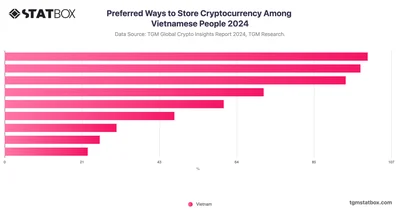
Vietnamese users favor mobile wallets and exchanges for crypto storage, highlighting demand for convenience over offline security.
 Pro
Pro
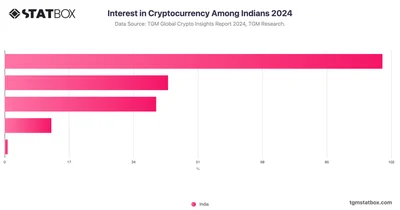
A notable 58.6% of Indian respondents expressed interest in learning more about cryptocurrency, even if they don't currently own any.
 Pro
Pro
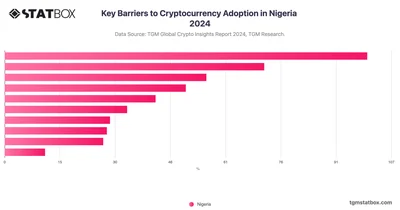
The most significant barrier to cryptocurrency adoption in Nigeria is lack of understanding, with a notable 65.6% of respondents identifying it as the top challenge.