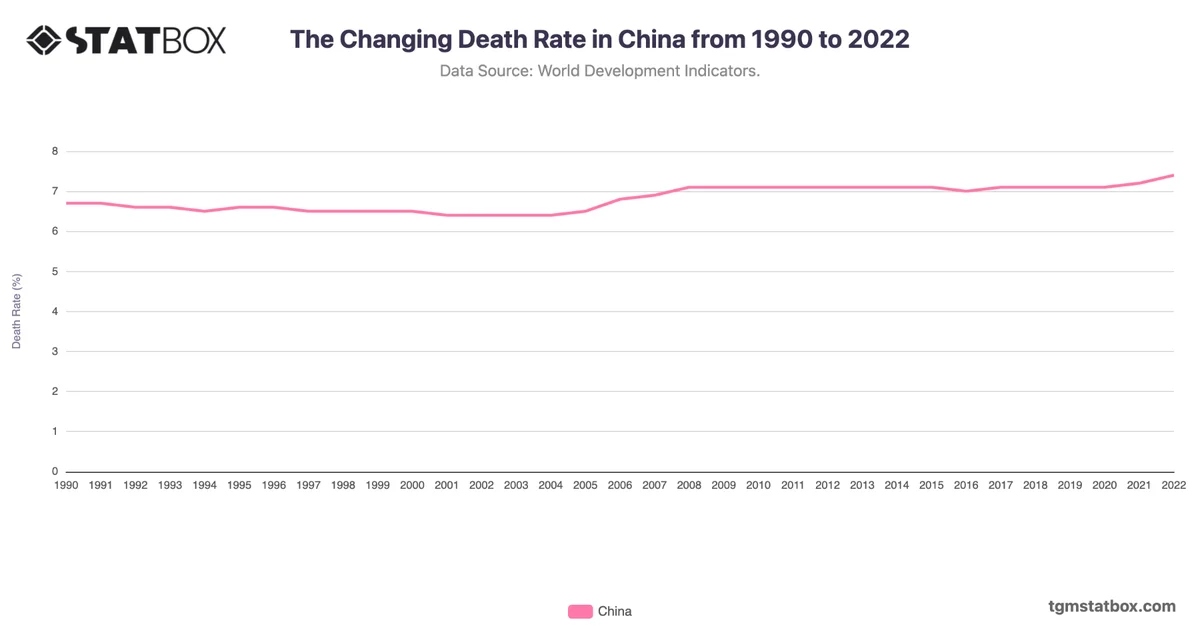
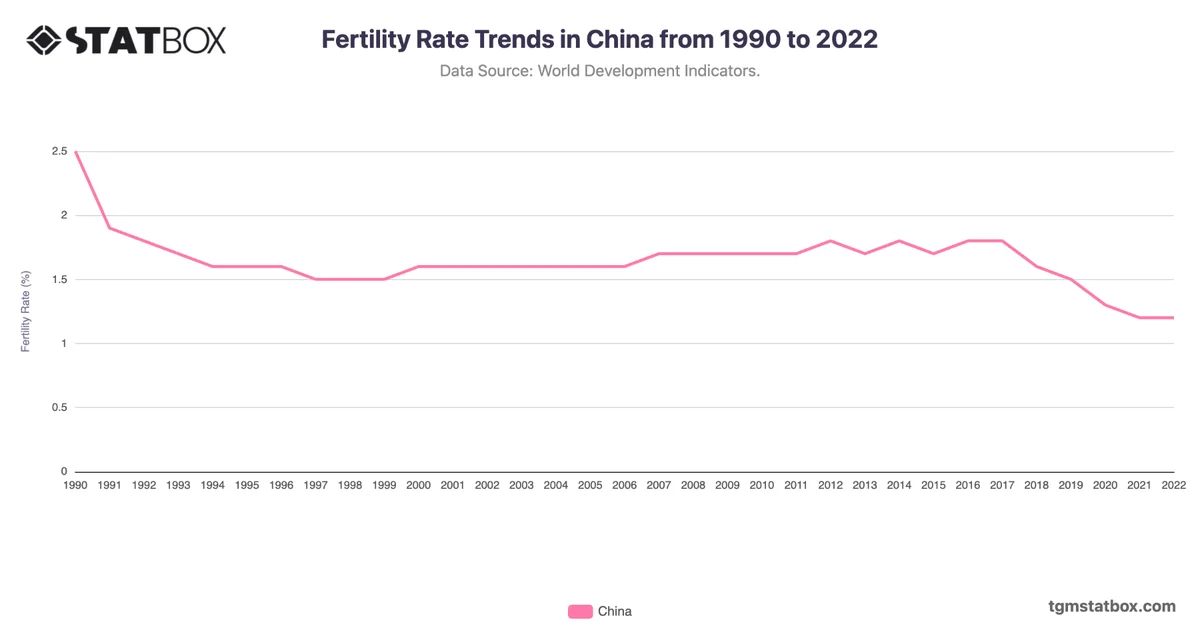
China's demographic shift has moved from a youthful population boom in the mid-20th century to a rapidly aging society. A large young workforce powered the country's economic rise, but the one-child policy, introduced in 1980, led to declining birth rates. This has resulted in China’s median age rising steadily from 29.0 in 2000 to a projected 42.9 by 2030.
By 2020, the median age had already surpassed 37.5, signaling an aging population. The aging population is straining China’s social safety nets, healthcare systems, and pension funds, while the shrinking workforce could limit future economic growth. Although the government has introduced policies encouraging families to have more children, including the two-child and three-child policies, economic pressures such as high living costs and expensive education deter many families from expanding.
By 2020, the median age had already surpassed 37.5, signaling an aging population. The aging population is straining China’s social safety nets, healthcare systems, and pension funds, while the shrinking workforce could limit future economic growth. Although the government has introduced policies encouraging families to have more children, including the two-child and three-child policies, economic pressures such as high living costs and expensive education deter many families from expanding.
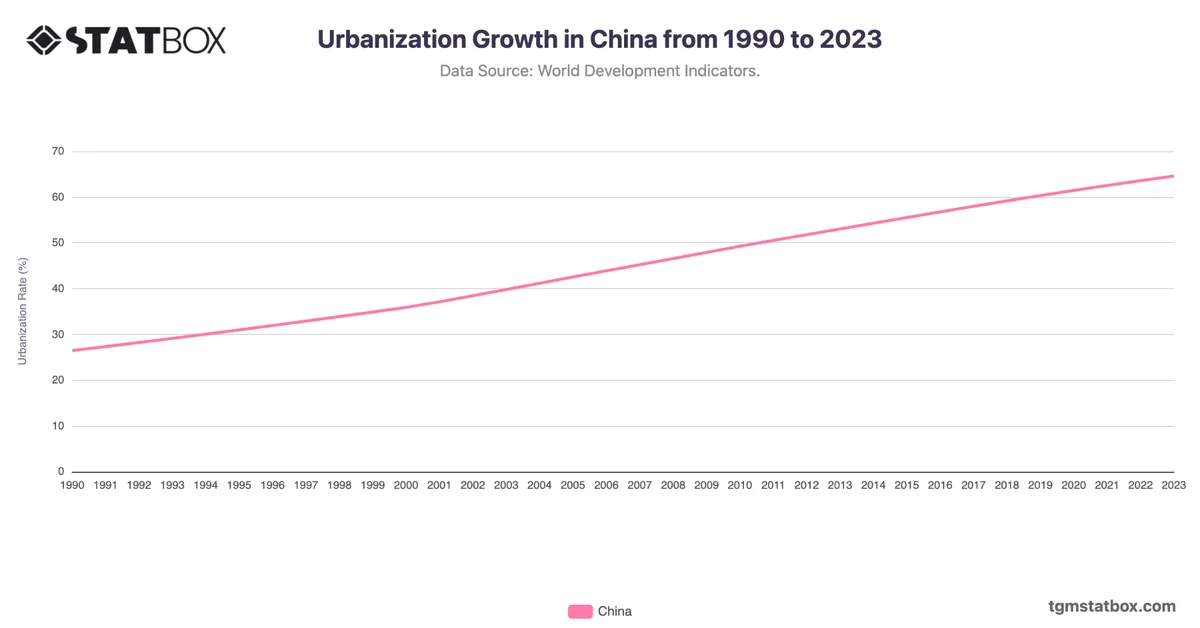
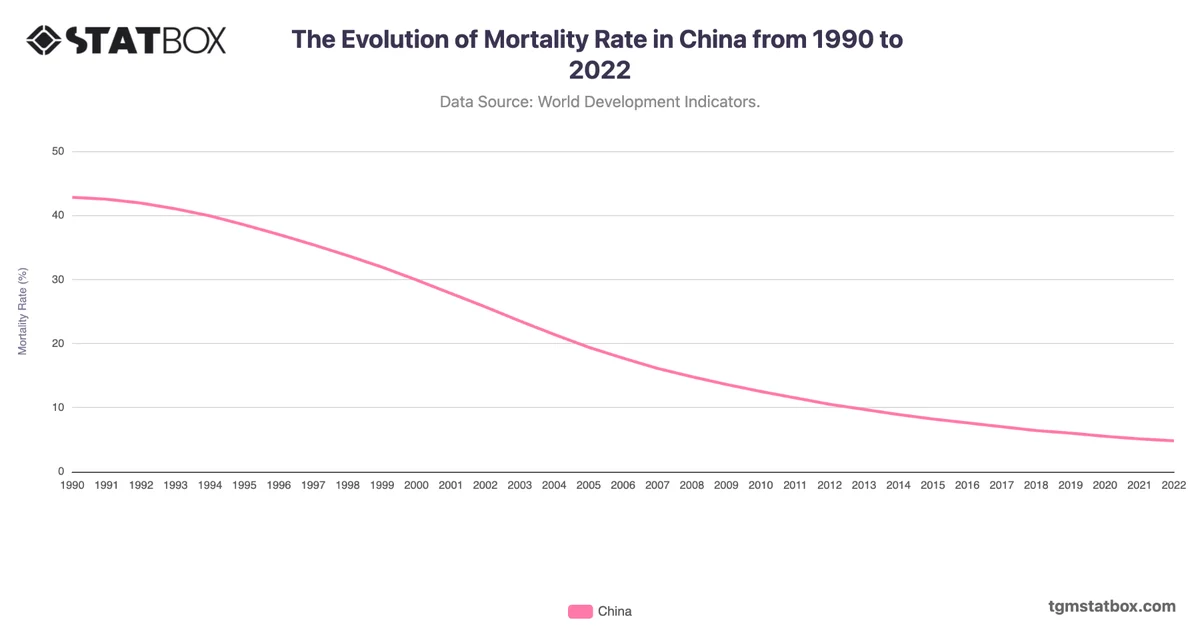
For additional information, visit statistics on China’s mortality rate trends, China’s urbanization rate, China’s fertility rate statistics.