Denmark's inflation rate has remained relatively stable over the decades, showcasing strong economic management. During the 1990s, inflation hovered between 0.9% and 2.8%, reflecting Denmark's prudent fiscal policies and alignment with European economic stability measures. Notable spikes, such as the 3.6% rate in 2008, were tied to the global financial crisis and rising energy prices.
In 2022, inflation surged to 8.5%, driven by global supply chain disruptions and escalating energy costs due to geopolitical tensions. However, projections suggest a return to stability, with inflation forecasted at 2.0% from 2025 onwards. This reflects Denmark's robust economic framework and ability to navigate external pressures effectively.
In 2022, inflation surged to 8.5%, driven by global supply chain disruptions and escalating energy costs due to geopolitical tensions. However, projections suggest a return to stability, with inflation forecasted at 2.0% from 2025 onwards. This reflects Denmark's robust economic framework and ability to navigate external pressures effectively.
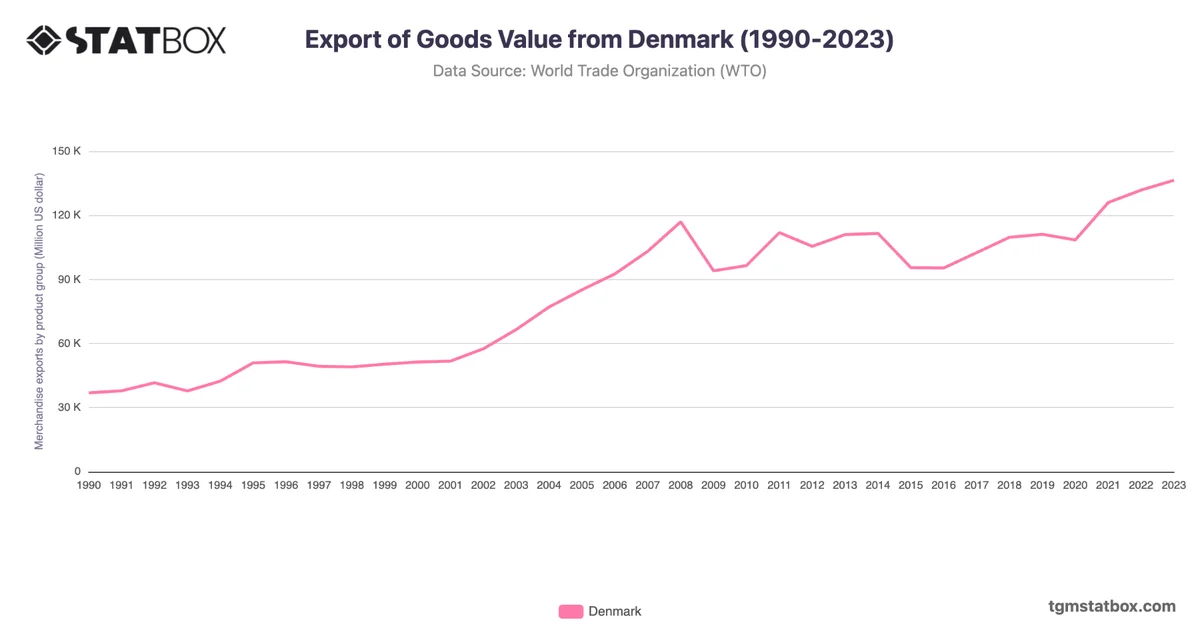
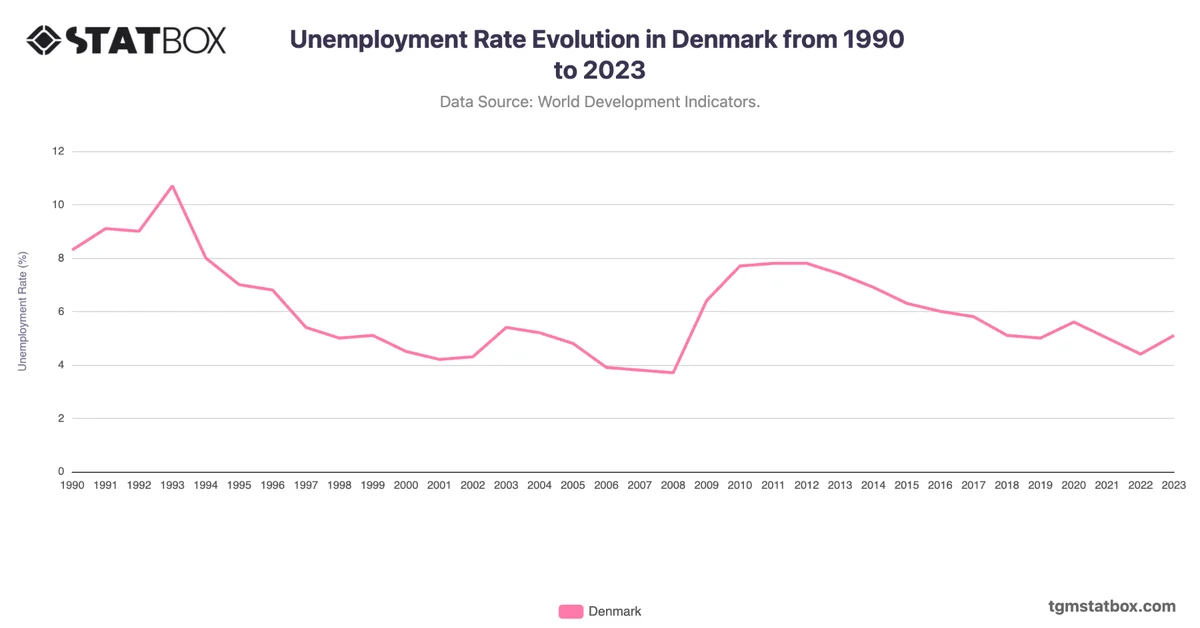
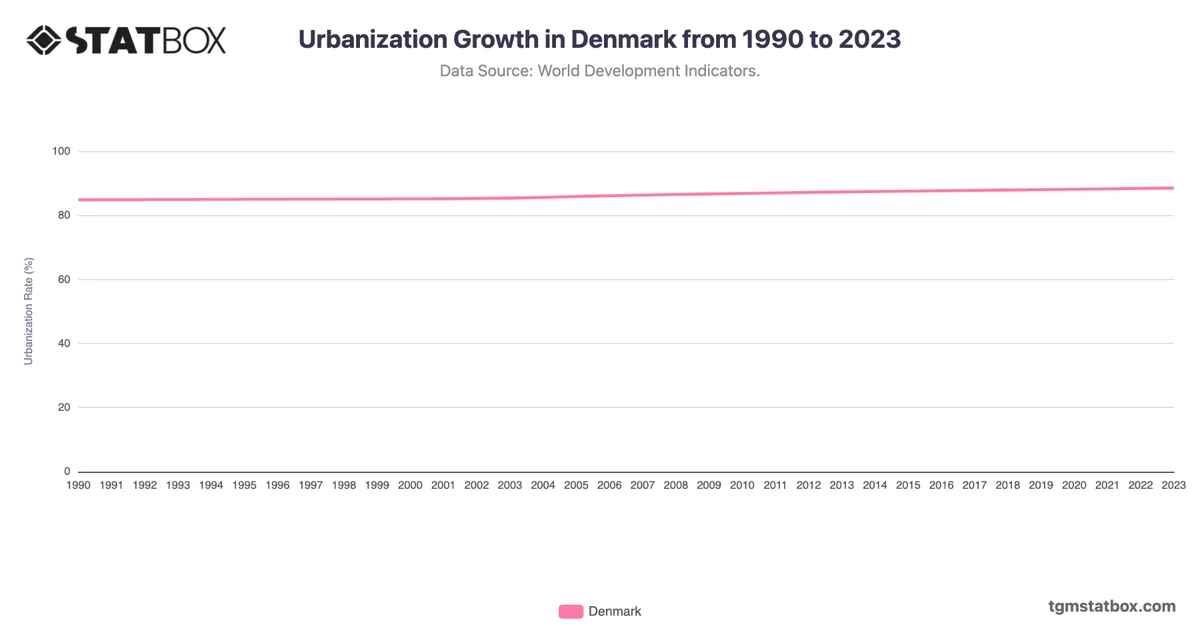
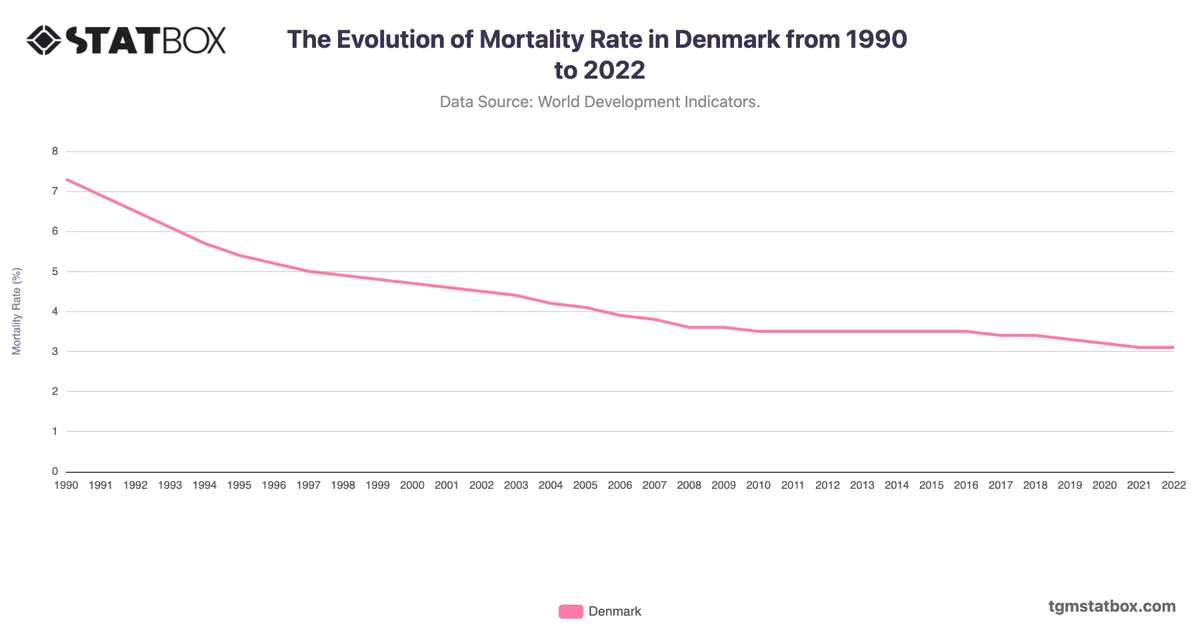
Find out more through related statistics on Denmark’s unemployment rate, Denmark’s trade balance overview, Denmark’s mortality rate trend.