Chart

Industry Sector Contribution to GDP in Germany (1990-2022)

Industry Sector Contribution to GDP in Germany (1990-2022)

Share the statistic on social media channels or embed the statistic in your website using "Embed Code", where available.

Share chart

Embed chart
Select Citation

Cite this statistic and select one of the following formats: APA, Chicago, Harvard, MLA & Bluebook


  • APA
  • Chicago
  • Harvard
  • MLA
  • Bluebook
  • IEEE
TGM StatBox. (2024). Industry Sector Contribution to GDP in Germany (1990-2022). TGM StatBox.
Insights

Key Takeaways

Germany's industrial sector contribution to GDP was 33.5% in 1991 but declined through the 1990s, reaching 27.7% by 2000 as the country underwent economic restructuring post-reunification. Germany’s focus on automation, advanced engineering, and high-quality manufacturing stabilized the sector, allowing it to maintain around 27% through the 2000s. The 2008 financial crisis caused a temporary drop to 24.7% in 2009. However, the sector rebounded, supported by Germany’s export-oriented economy, and sustained levels around 27% in subsequent years. In 2022, the sector held at 26.9%, reflecting Germany's steady industrial strength and resilience despite global challenges, underpinned by continued investments in technology and renewable energy transition within the industrial landscape.

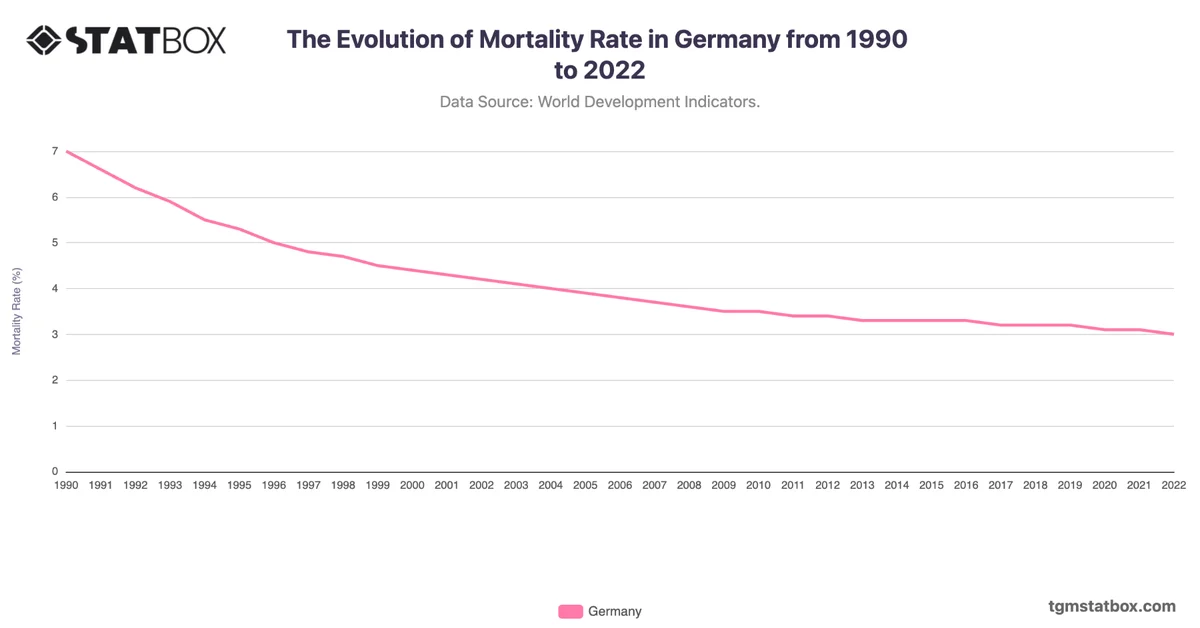
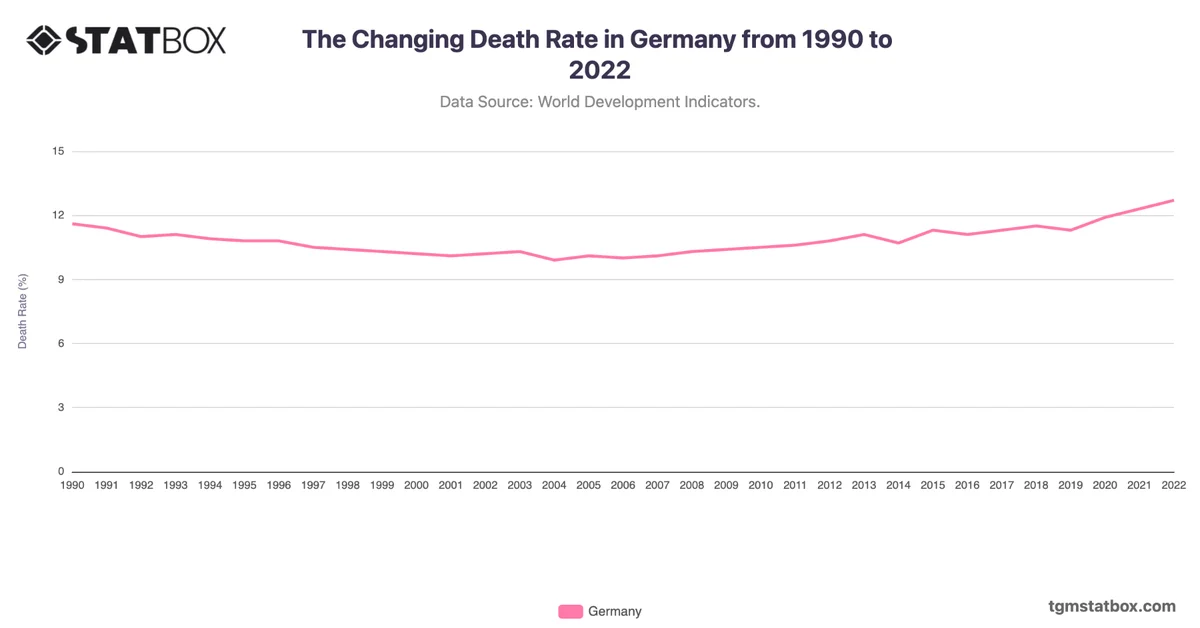
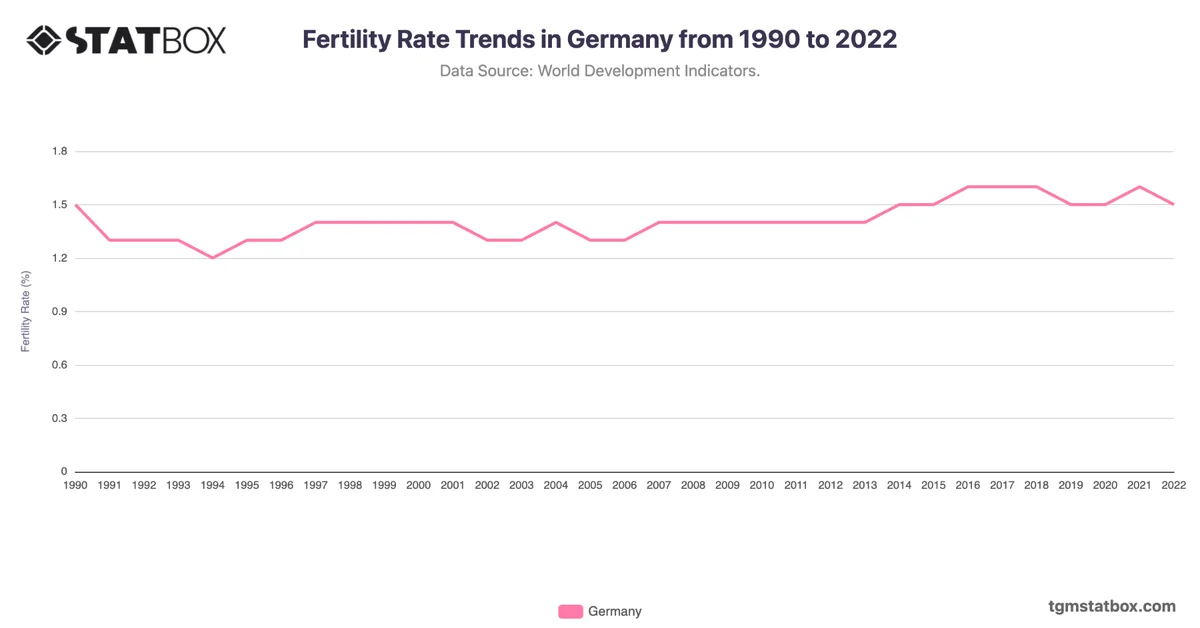
Explore related charts to gain a better understanding of Germany’s fertility rate, Germany’s manufacturing sector proportion in GDP, Germany’s mortality rate trends.

AI-powered chart insight: This summary is automatically generated to help you understand the chart at a glance. It is intended as an overview; view the full chart and underlying data for complete context.

Charts library

Further Recommended Germany Statistics

Statbox vector
The briefing
New data, in your inbox

Consumer insights, data stories and product updates as we publish them. No other mail, and one click to leave.

Roughly two emails a month.

Research services
Have a question our newsroom hasn't answered? Ask it directly.

Our team can run the study behind the story — in 60+ countries, on your question, with the data belonging to you.