South Korea's debt-to-GDP ratio remained low in the early 1990s, reflecting prudent fiscal management, with a decline from 12.24% in 1990 to 7.5% in 1996. The 1997 Asian Financial Crisis marked a turning point, with debt spiking to 13.3% in 1998 as the government implemented stimulus measures to stabilize the economy. Subsequent years saw gradual increases due to growing public expenditures.
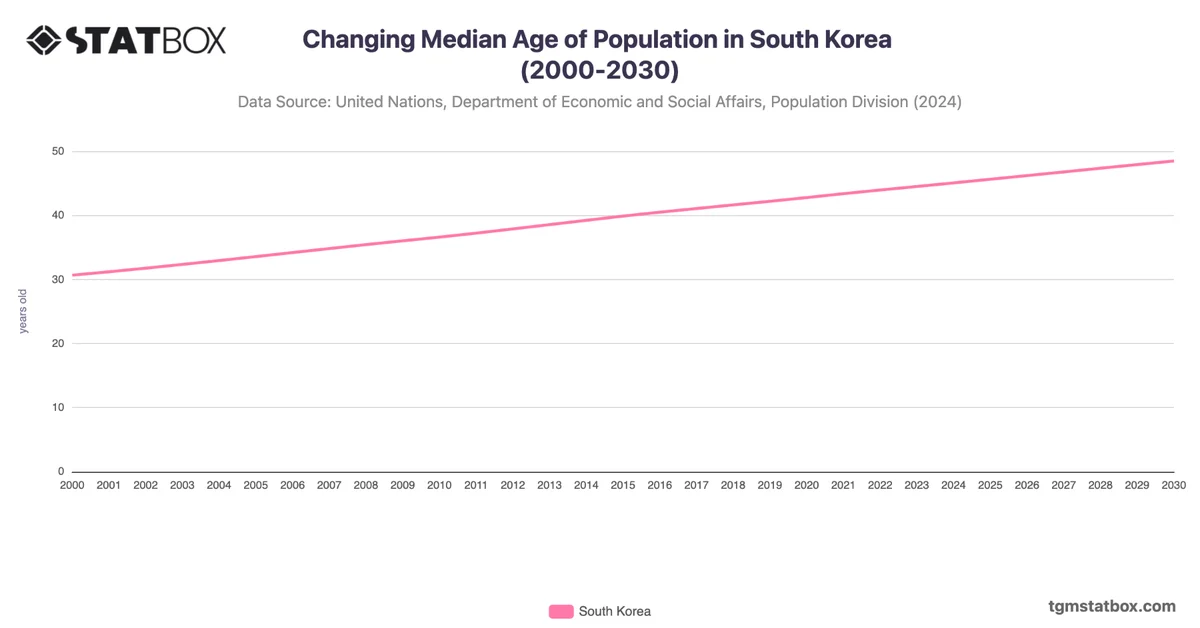
From 2010 onwards, South Korea's debt rose steadily, surpassing 40% in 2020 as the country adopted expansionary fiscal policies to mitigate the economic impacts of COVID-19. By 2022, the debt ratio reached 48.05%, underscoring rising public spending amid demographic pressures, such as an aging population and economic restructuring needs.
From 2010 onwards, South Korea's debt rose steadily, surpassing 40% in 2020 as the country adopted expansionary fiscal policies to mitigate the economic impacts of COVID-19. By 2022, the debt ratio reached 48.05%, underscoring rising public spending amid demographic pressures, such as an aging population and economic restructuring needs.
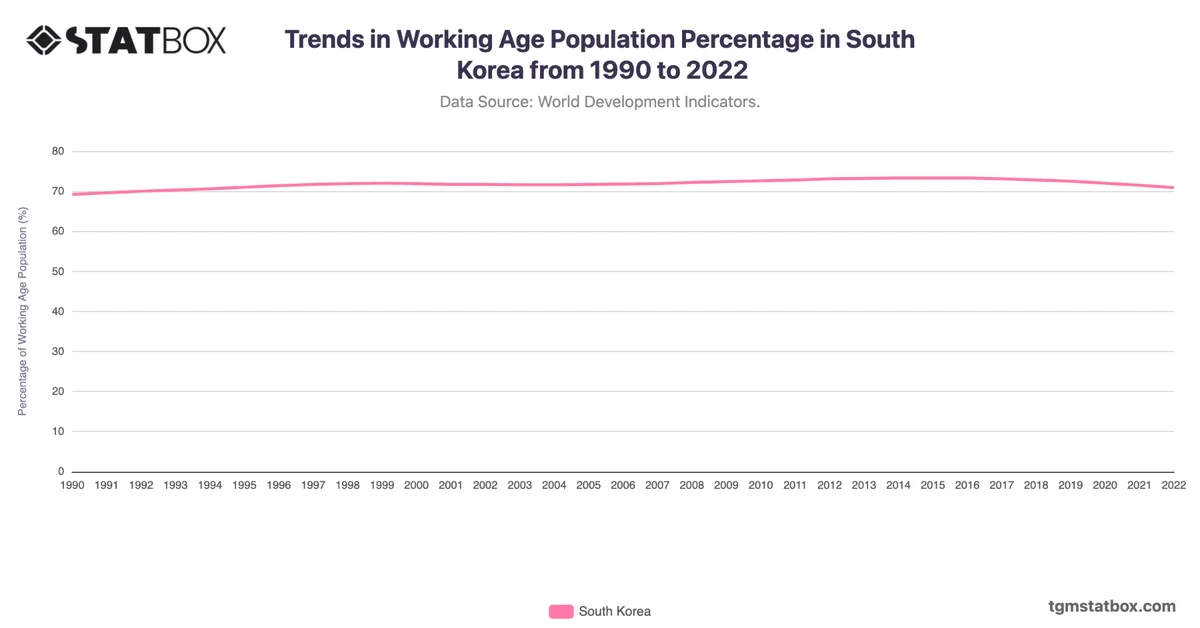
Discover additional trends and data on South Korea’s defense spending, agriculture sector’s GDP share in South Korea, working-age population share in South Korea.