Statistics library
Explore a wide range of consumer insights and statistics across industries. Discover charts on behaviors, preferences, attitudes, and market trends to find the data most relevant to your research and decision-making.
 Pro
Pro
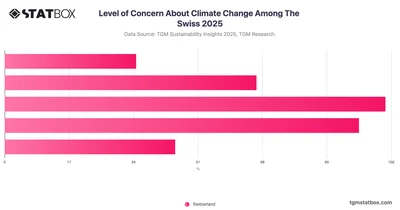
Concern about climate change in Switzerland is broad but varies in intensity. While many (57%) express moderate or strong worry, relatively few see it as an extreme threat.
 Pro
Pro
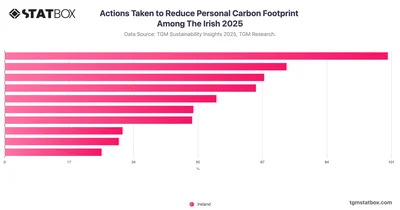
In Ireland, recycling and composting tops the chart with 59.5%, showing widespread alignment with national waste management campaigns and local council efforts.
 Pro
Pro
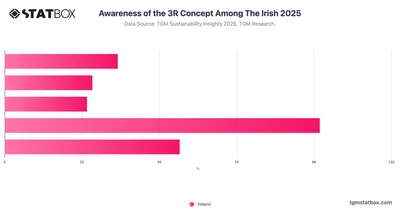
In Ireland, over 40.75% say definitely no to knowing the 3R concept (Reduce, Reuse, Recycle), despite its central role in global sustainability education.
 Pro
Pro
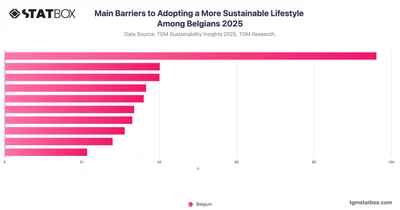
Cost leads the conversation. 48.08% of Belgians say high prices for sustainable products block their path to greener living. Affordability remains a critical gap.
 Pro
Pro
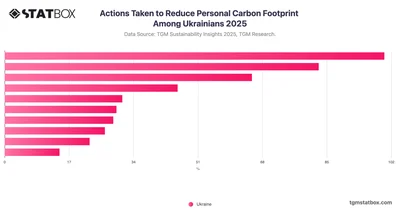
In Ukraine, cutting carbon emissions often starts with changes at home and in daily travel. The most common step is using energy-efficient appliances and bulbs (59%).
 Pro
Pro
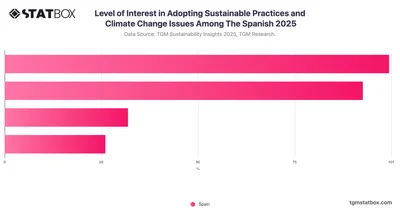
In Spain, interest in sustainable living and climate action is strong. Almost 40% say they are very interested, and another large group are somewhat interested.
 Pro
Pro
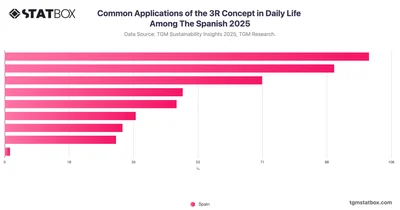
For many Spaniards, the 3Rs come to life through simple, everyday habits. Recycling tops the list, with over half doing it at home or work, followed closely by reusing items.
 Pro
Pro
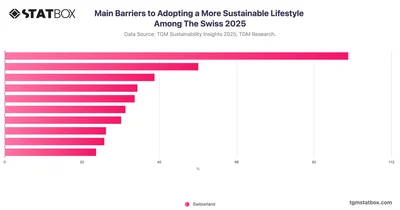
For many Swiss (44%), the main reason sustainable living feels out of reach is cost. Eco-friendly options are often too expensive.
 Pro
Pro
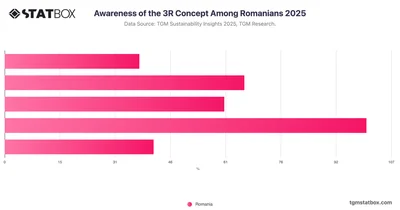
The “3Rs” — Reduce, Reuse, Recycle — aren’t yet well known in Romania. Some people know the idea, but many don’t, and only about 12% say they’re very familiar.
 Pro
Pro
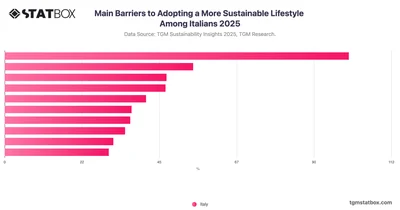
For Italians, the road to a greener lifestyle is paved with real-world hurdles, the steepest being cost. 44.5% cite the high price of sustainable products.
 Pro
Pro
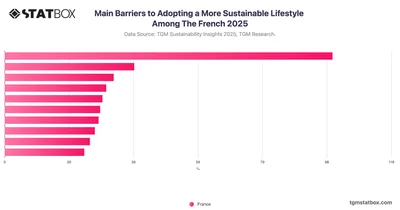
Cost stands in the way. Over half of French respondents cite the high price of sustainable products as the primary barrier, a finding that resonates amid rising inflation and living costs.
 Pro
Pro
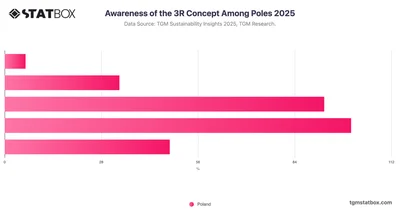
In Poland, awareness of the “3R” concept, Reduce, Reuse, Recycle, is still quite low. A clear majority either say they definitely don’t know it (36%) or are more on the “no” side.
 Pro
Pro
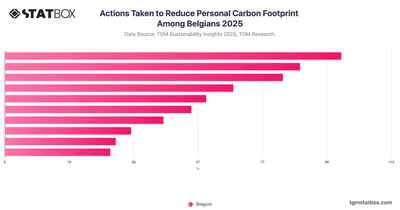
Recycling and composting top the list: 52.2% of Belgians adopt these habits to shrink their carbon footprint. It’s familiar, accessible, and reinforced by strong national waste policies.
 Pro
Pro
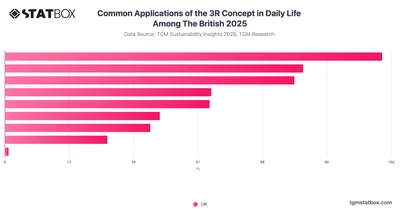
In the UK, recycling is the most common way people put the 3R principles into practice, with nearly six in ten doing it at home or work.
 Pro
Pro
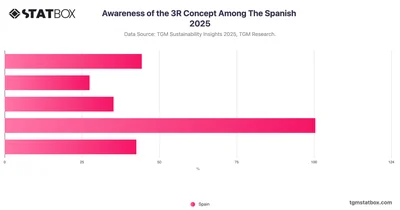
In Spain, awareness of the “3R” concept — Reduce, Reuse, Recycle — is mixed. About 40% say they definitely don’t know it, while fewer than 18% are sure they do.
 Pro
Pro
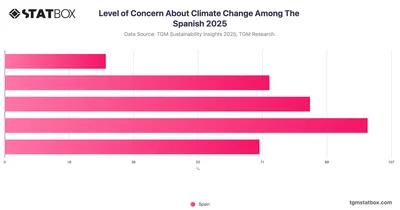
Climate concern runs high in Spain, with more than half in the “very” or “extremely concerned” groups. The small share of unconcerned respondents shows broad awareness.
 Pro
Pro
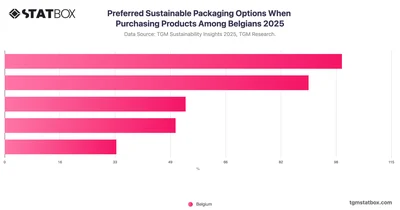
TGM StatBox shows which sustainable packaging options Belgians prefer when purchasing products, based on 2025 consumer survey data.
 Pro
Pro
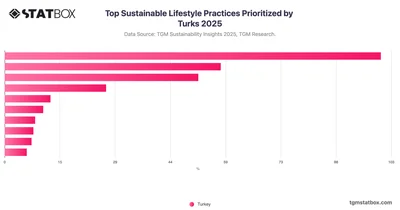
For many in Turkey, sustainable living starts with saving water, the top choice by far (34%). This is followed by using eco-friendly household products and adopting a plant-based diet.
 Pro
Pro
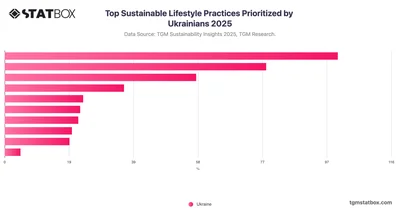
In Ukraine, sustainable living often begins at home. The most common priorities are conserving energy (26%) and using eco-friendly household products (20%).
 Pro
Pro
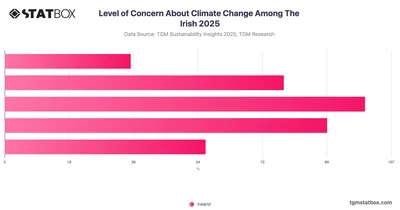
In Ireland, 28% of respondents say they are moderately concerned about climate change, with a close 25% identifying as very concerned.
 Pro
Pro
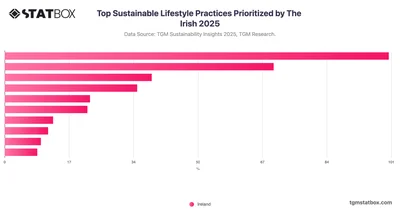
In Ireland, sustainability starts with the basics, minimizing water usage tops the list at 29.8%, a likely response to recurring hosepipe bans and growing national discourse on water conservation.
 Pro
Pro
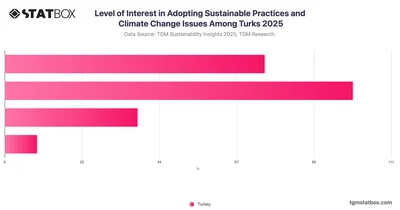
In Turkey, interest in sustainable living and climate action is high. Nearly half of respondents say they are somewhat interested, and one in three are very interested.
 Pro
Pro
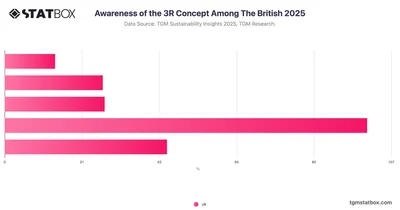
"In the UK, awareness of the “3R” concept — Reduce, Reuse, Recycle — remains low. Nearly half (47%) say they are definitely not familiar with it, and one in five are unsure.
 Pro
Pro
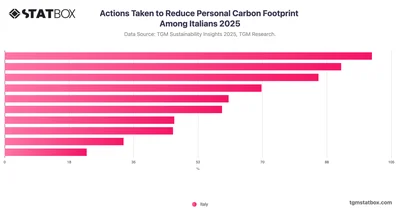
Italians are tackling their carbon footprint with a mix of practical home habits and selective lifestyle shifts. The most common action is reducing water usage (57%).
 Pro
Pro
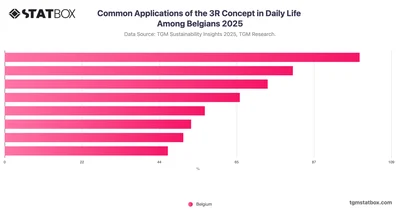
Recycling dominates Belgian 3R behavior. 45.9% report doing it both at home and at work, a clear reflection of widespread infrastructure and long-standing habits reinforced by regional waste collection systems.
 Pro
Pro
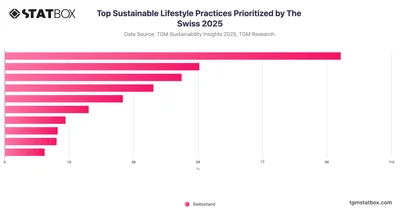
In Switzerland, the leading sustainable habits are minimizing water use (26%), using eco-friendly household products, and recycling or composting waste.
 Pro
Pro
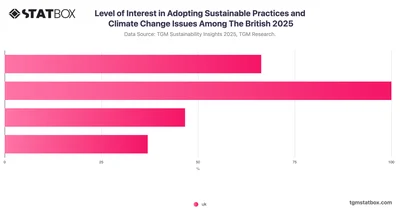
"In the UK, most people show at least some interest in living more sustainably and tackling climate change. The largest share, 40%, are somewhat interested.
 Pro
Pro
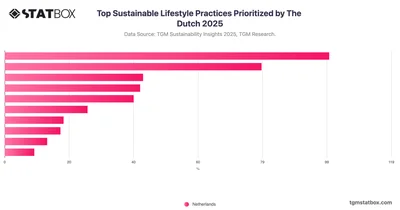
In the Netherlands, sustainable living often starts with everyday habits like minimizing water use (25%) and saving energy at home.
 Pro
Pro
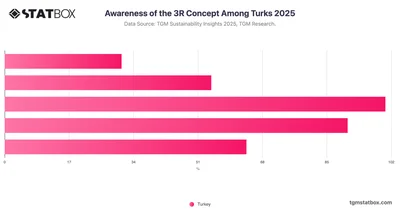
"The 3R concept has yet to gain widespread recognition in Turkey. Most people either don’t know it well or are unsure of its meaning, and fewer than 10% are fully familiar.
 Pro
Pro
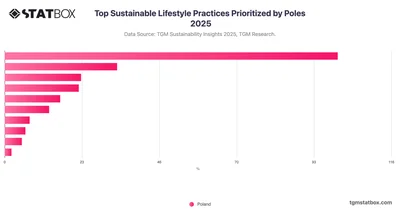
In Poland, the most common sustainable habit is minimizing water use, chosen by over 43% of people. Far fewer prioritize other eco-friendly actions such as energy conservation.