Charts library
Not sure where to start? Dive into a diverse selection of charts and data visualizations across topics, and find the information you need to drive your research and analysis.
 Pro
Pro
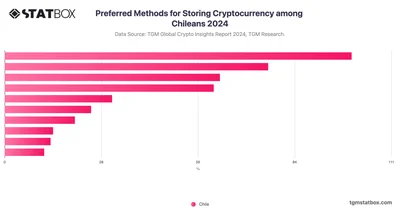
Mobile wallets/apps and payment services dominate as the preferred methods for storing cryptocurrency in Chile, representing over 63% of users' choices.
 Pro
Pro
missing
 Pro
Pro
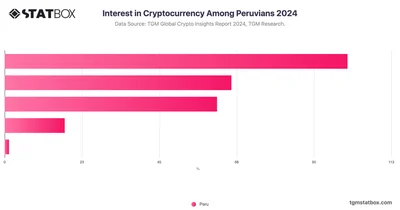
Nearly 44.3% of Peruvians express an interest in learning more about cryptocurrency, despite not owning any themselves.
 Pro
Pro
missing
 Pro
Pro
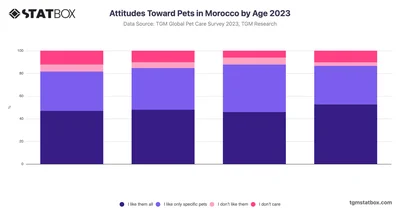
The majority of respondents, particularly males (52%) and those aged 45-54 (51%), expressed a broad appreciation for pets, with many indicating, "I like them all".
 Pro
Pro
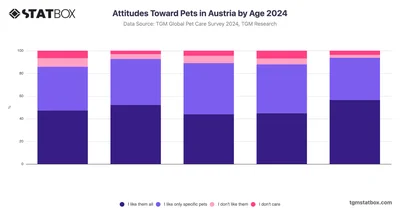
People aged 55+ demonstrate the highest overall fondness for pets at 56.46%, while those aged 35-44 are more likely to be selective about which pets they like (45.19%).
 Pro
Pro
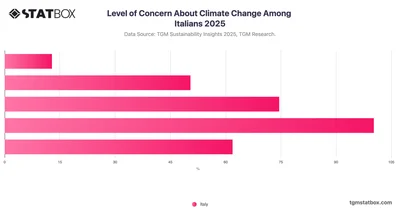
Climate change anxiety in Italy is not just a niche sentiment, it’s mainstream. A combined 54% of Italians fall into the “very concerned” (33%) categories.
 Pro
Pro
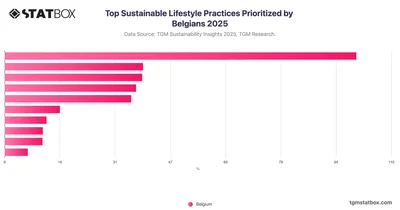
For Belgians, sustainability begins at the tap. 31.83% prioritize minimizing water usage, placing it well above other eco-conscious habits.
 Pro
Pro
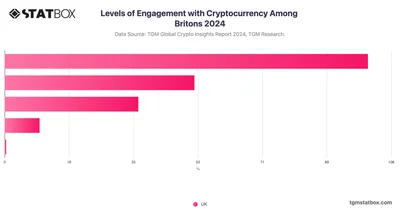
Nearly 21% of respondents expressed an interest in learning more about cryptocurrency, presenting an opportunity for platforms aimed at the curious yet non-investing demographic.
 Pro
Pro
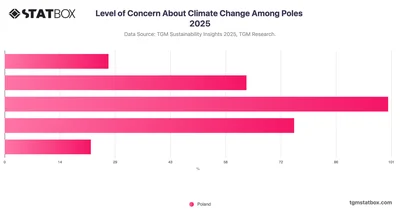
In Poland, concern about climate change is widespread but varies in intensity. The largest group (35%) describe themselves as moderately concerned.
 Pro
Pro
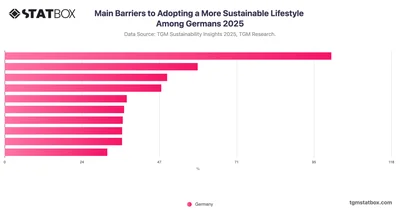
Germany’s path to greener living isn’t blocked by disbelief, it’s stalled by cost, control, and infrastructure that hasn’t yet caught up with intent.
 Pro
Pro
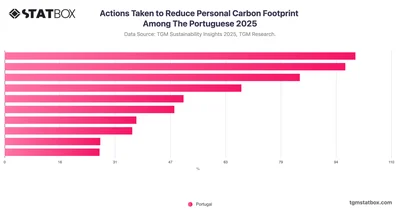
In Portugal, people take many practical steps to lower their carbon footprint. The most common are recycling and composting (64%) and saving water.
 Pro
Pro
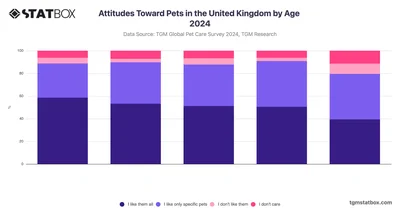
British younger adults showed the highest overall enthusiasm, with 58.6% indicating they like all pets, while this rate declines in older age groups.
 Pro
Pro
missing
 Pro
Pro
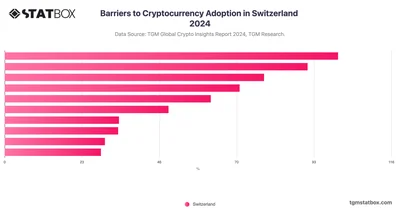
Security concerns (43%) are the top barrier to cryptocurrency adoption in Switzerland, followed by lack of understanding.
 Pro
Pro
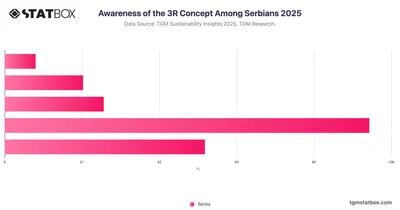
In Serbia, awareness of “Reduce, Reuse, Recycle” is low. Nearly half have never heard of it, and over a quarter are unsure. Only about 4% say they are fully familiar.
 Pro
Pro
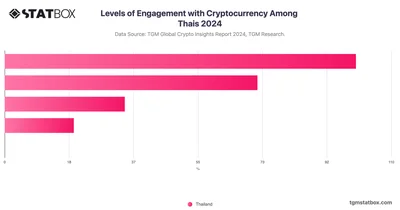
In Thailand, 54.5% of respondents show interest in learning more about cryptocurrency, even if they do not currently own any.
 Pro
Pro
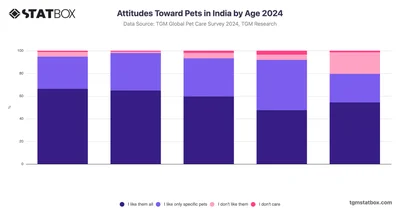
The majority of Indian respondents, particularly those aged 18 to 24, express a positive sentiment towards pets, with 66.41% stating, "I like them all".
 Pro
Pro
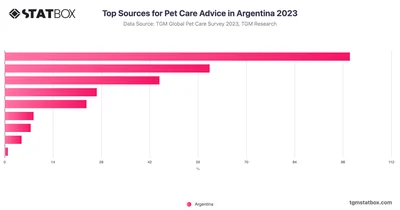
71% Argentina's pet owners primarily rely on veterinarians for guidance. Internet searches are another significant source. Advice from other pet owners is valuable for 19%.
 Pro
Pro
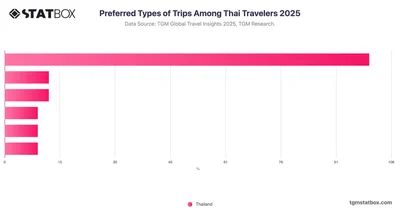
In 2025, 66% of Thai travelers choose relaxation, reflecting a shift toward peaceful escapes amid political and economic pressures. Full data on TGM StatBox.
 Pro
Pro
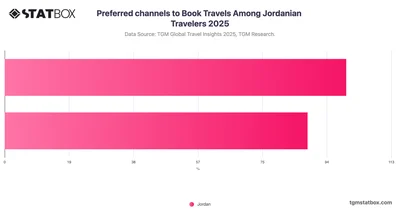
Jordan’s booking habits are split in 2025, with online tools gaining ground while travel agencies still play a key role in complex trip planning.
 Pro
Pro
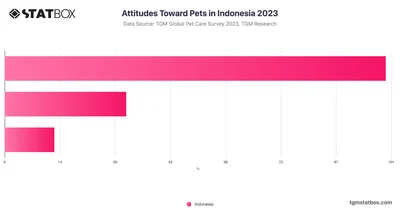
Most Indonesians express a preference for specific pets, with 69% of respondents indicating they like only certain types of animals.
 Pro
Pro
missing
 Pro
Pro
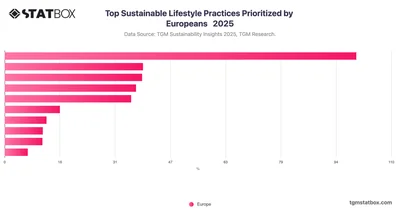
In Europe, sustainable living often starts with small, everyday choices. The most common habit is saving water, chosen by about one in three people.
 Pro
Pro
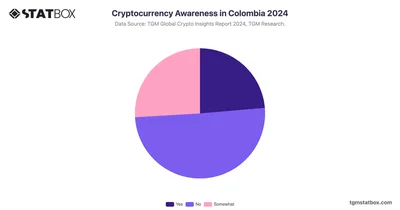
Only 23.6% of Colombians have a comprehensive understanding of cryptocurrencies, while a significant portion either remains unaware or has only a partial understanding.
 Pro
Pro
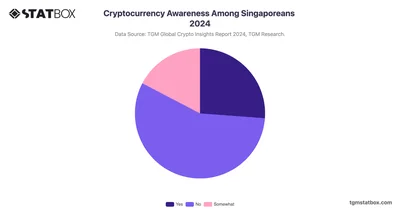
Cryptocurrency awareness is still in the early stages for many individuals in Singapore, with 56.5% of the respondents reporting that they are not familiar with it.
 Pro
Pro
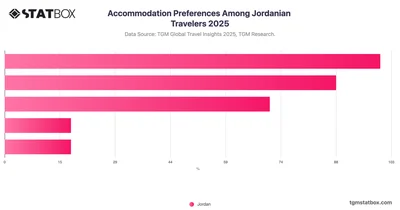
Budget hotels lead among Jordanian travelers in 2025, but premium stays still attract a quality-focused segment despite economic pressures. Full data on TGM StatBox.
 Pro
Pro
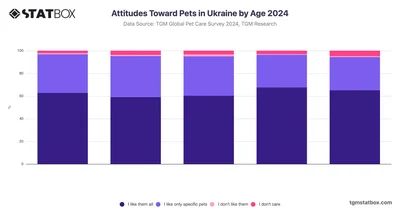
There is a clear gender difference in pet appreciation, with approximately 68% of Ukrainian females expressing fondness for all pets compared to 57% of males.
 Pro
Pro
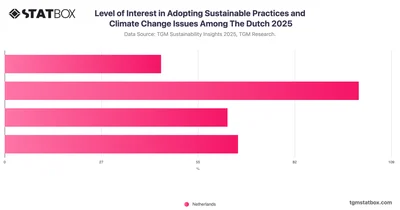
In the Netherlands, interest in sustainability and climate change is mixed. Around 37% of the Dutch resondents say they are somewhat interested.
 Pro
Pro
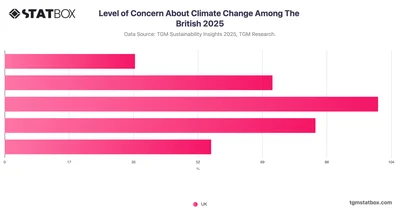
Many of British respondents fall into the moderately or very concerned categories, while a smaller group, about 16%, feel extremely concerned.