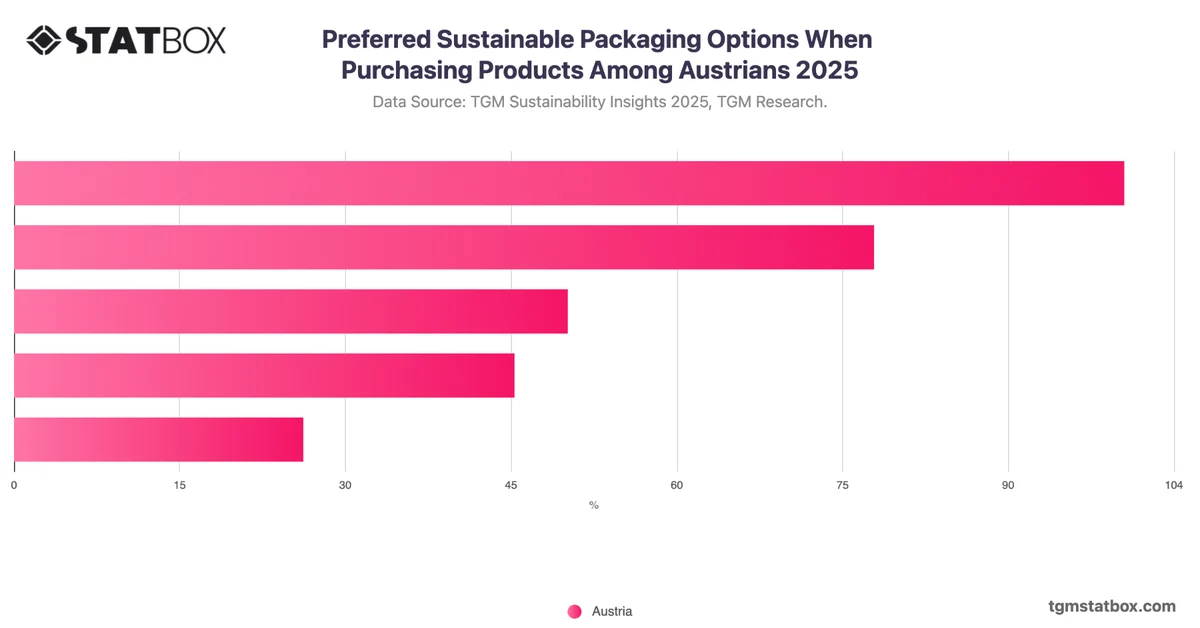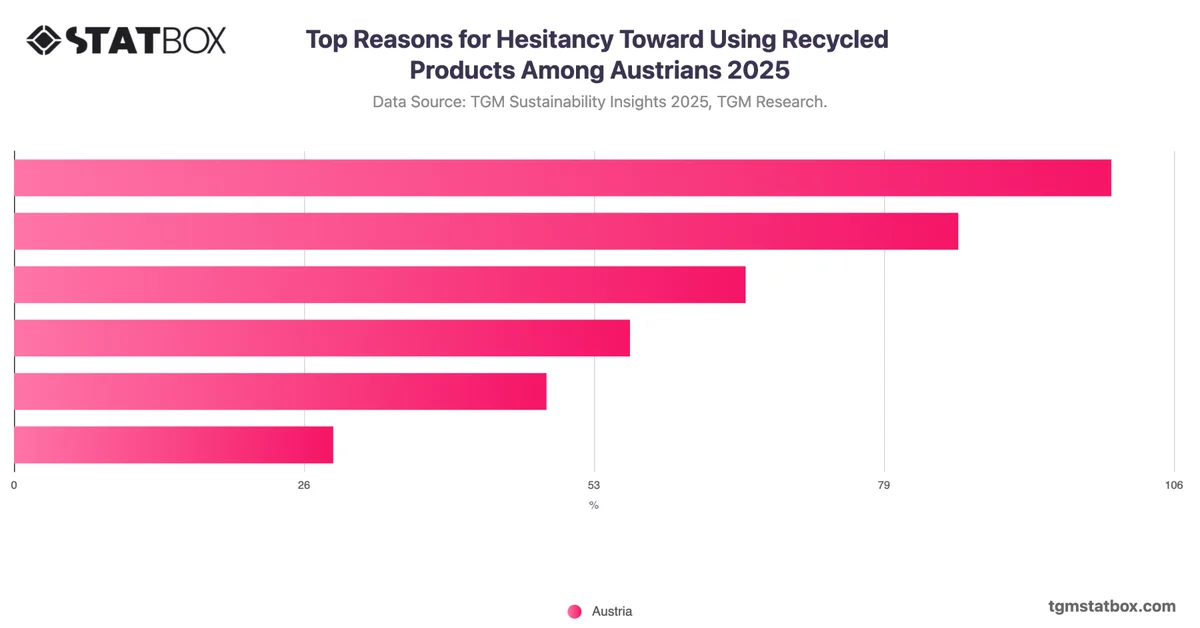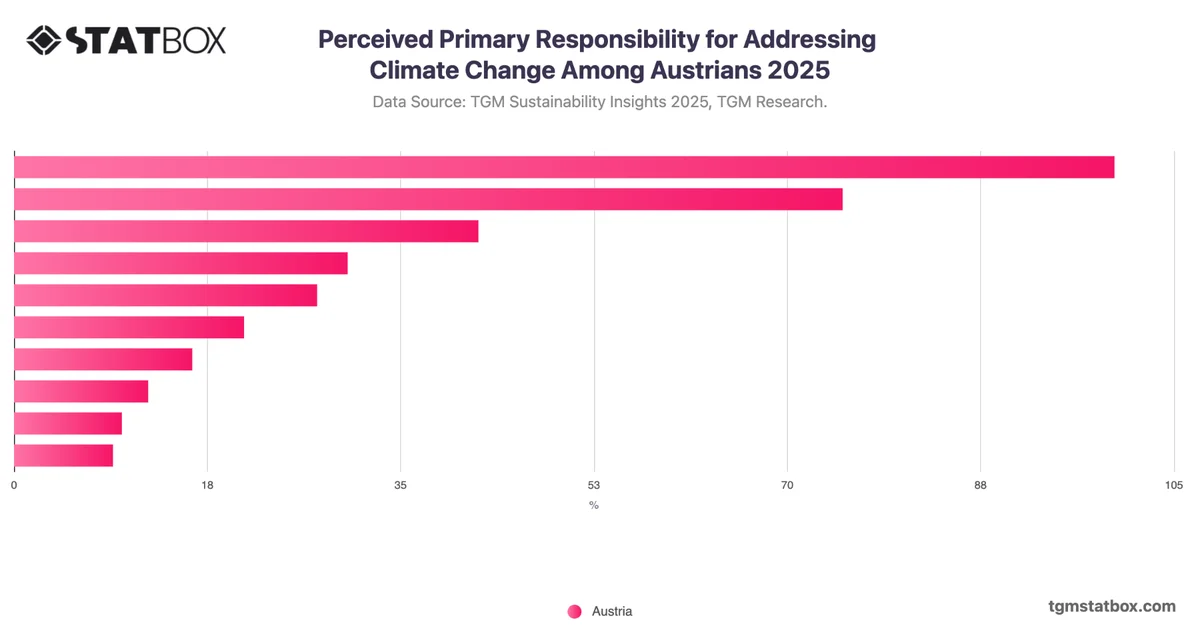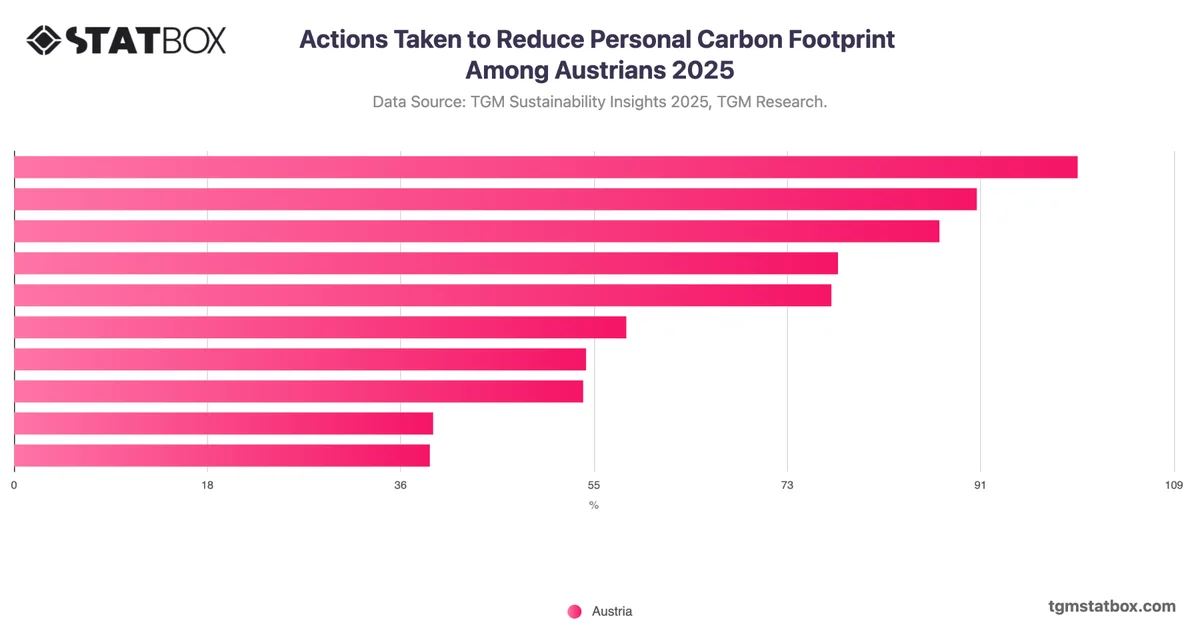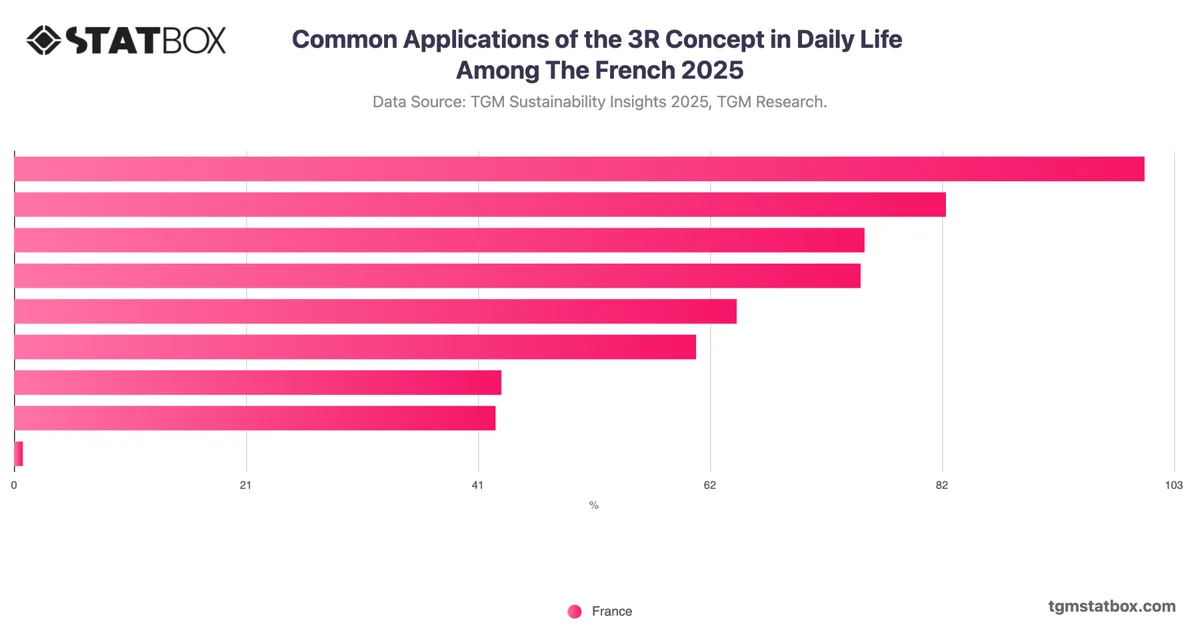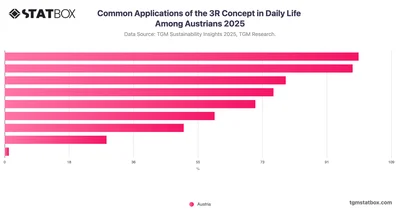
Austrians may not know the term "3R," but they’re living it. Recycling tops the list at , closely followed by reusing materials - a reflection of ingrained habits more than conscious strategy. Reducing waste and composting show strong alignment with Austria’s robust waste separation systems, bolstered by local government programs and community norms. Still, deeper applications like buying recycled products () or actively saving natural resources () show a drop-off, revealing a gap between passive and proactive choices. Only mention landfill reduction, despite Austria's EU obligations to cut waste disposal rates. Preventing environmental degradation () suggests awareness of the stakes, but less clarity on individual impact.
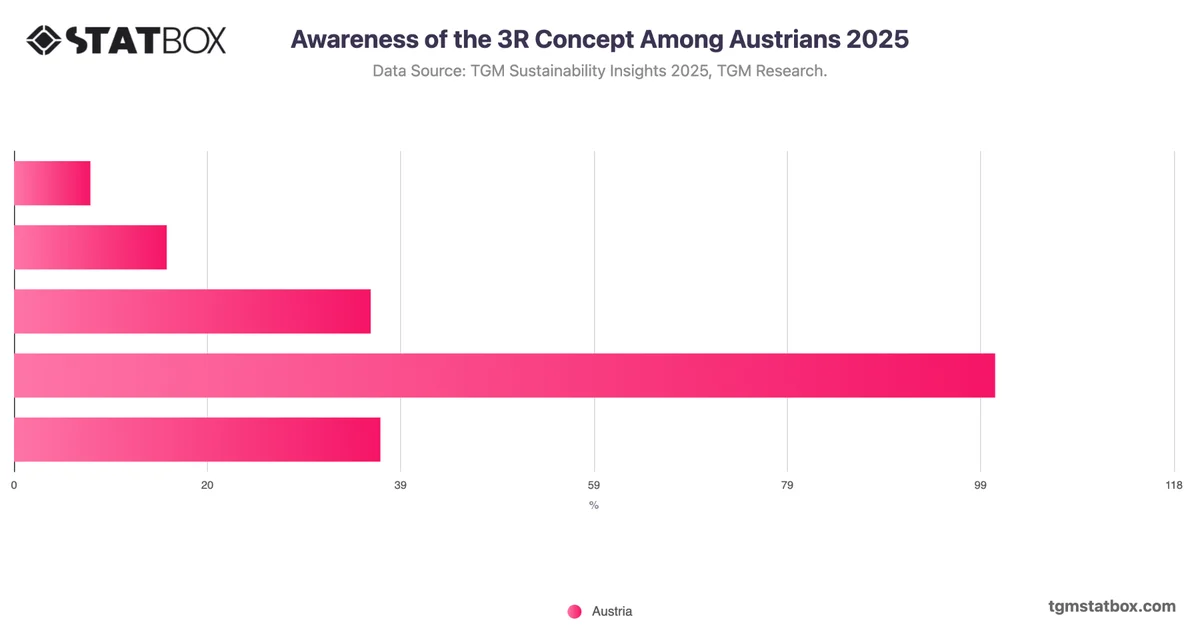
While over half practice the 3Rs, only a fraction could define them, as previous data revealed. This underscores a key insight: practice exists, now it needs naming, scaling, and framing to build true environmental literacy.
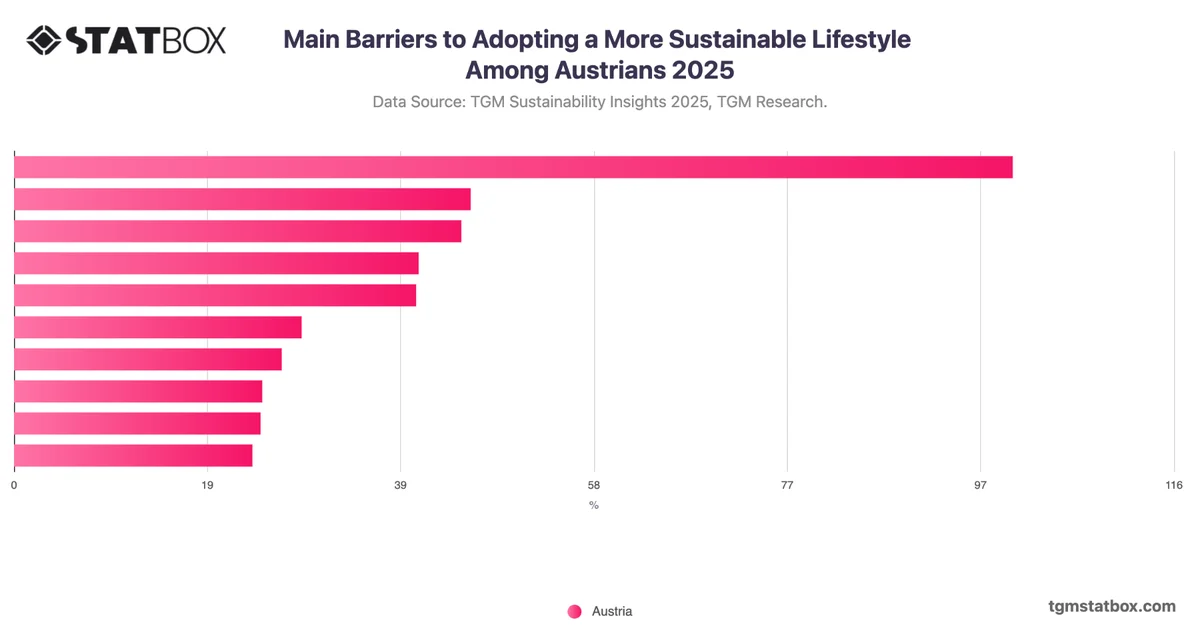
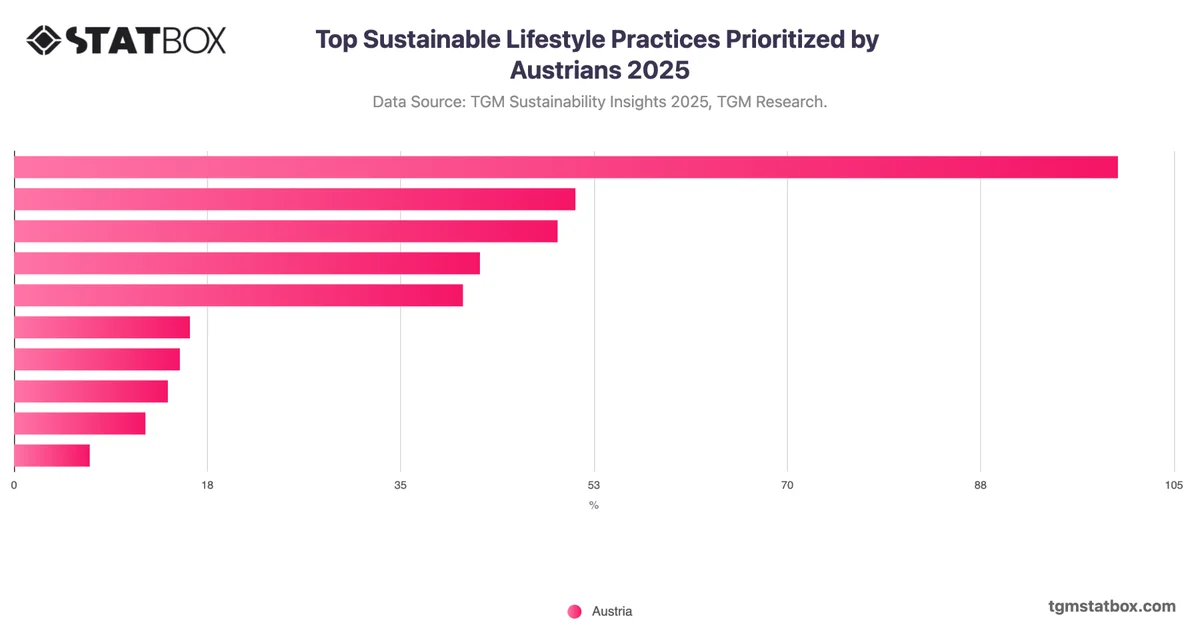
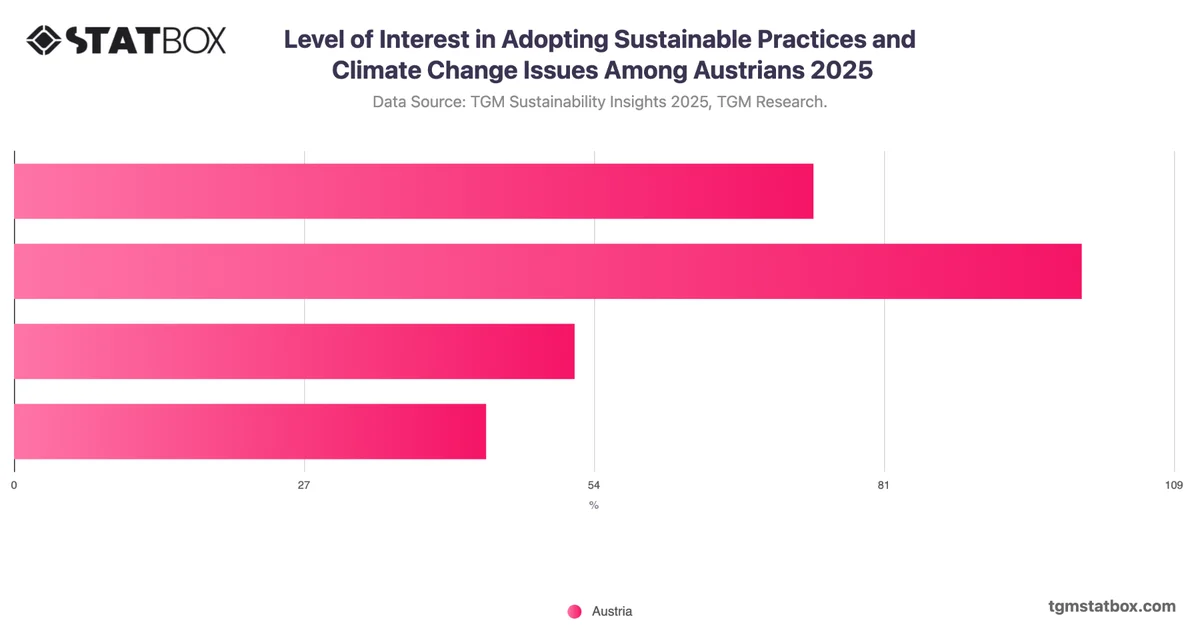
Gain a broader perspective by reviewing Austrians’ awareness of the 3R concept, Major obstacles to sustainable living in Austria, Level of Interest in Adopting Sustainable Practices and Climate Change Issues Among Austrians.