Topic
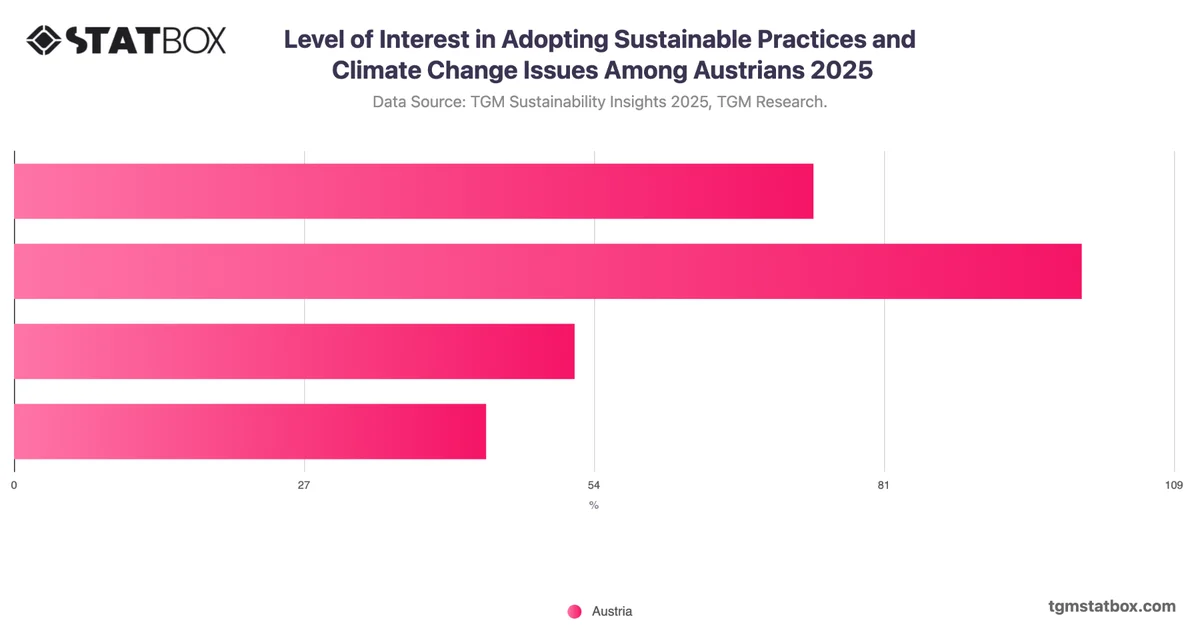
82.4% of Austrians express interest in sustainable practices.
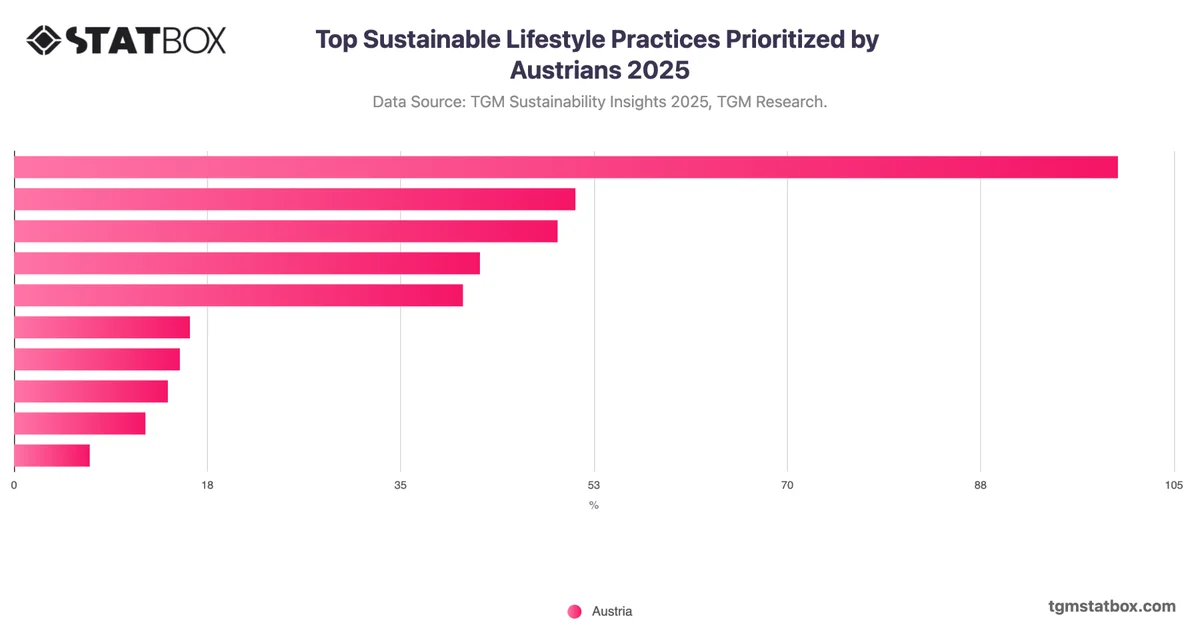
55% of respondents prioritize recycling and composting.
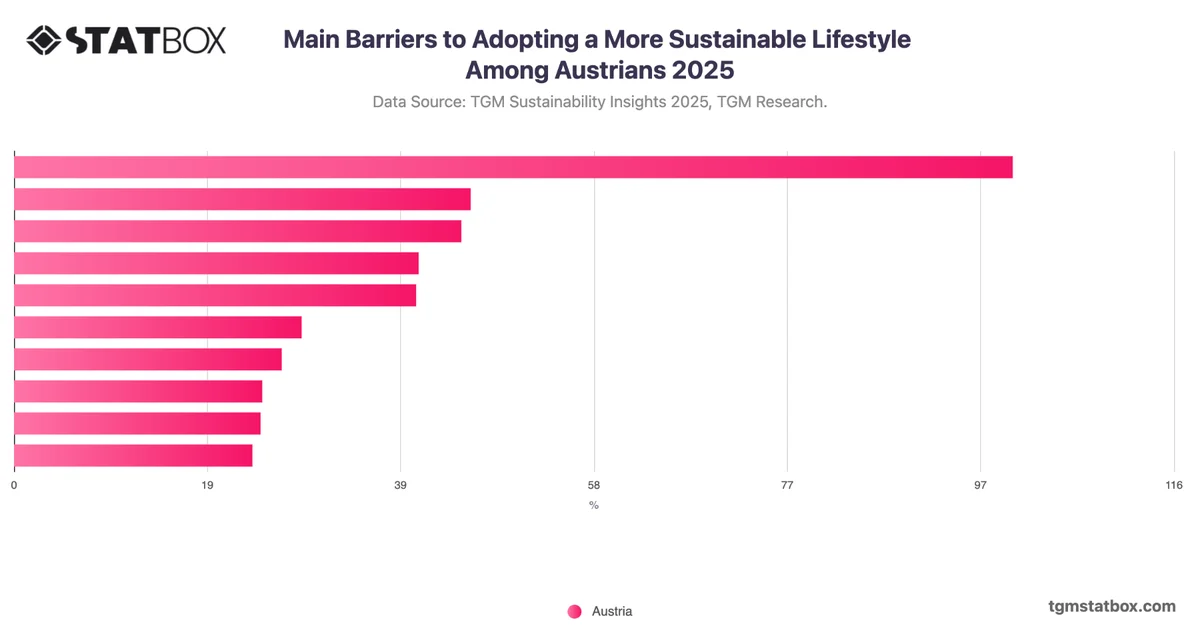
High cost is the main barrier for over half of Austrians.
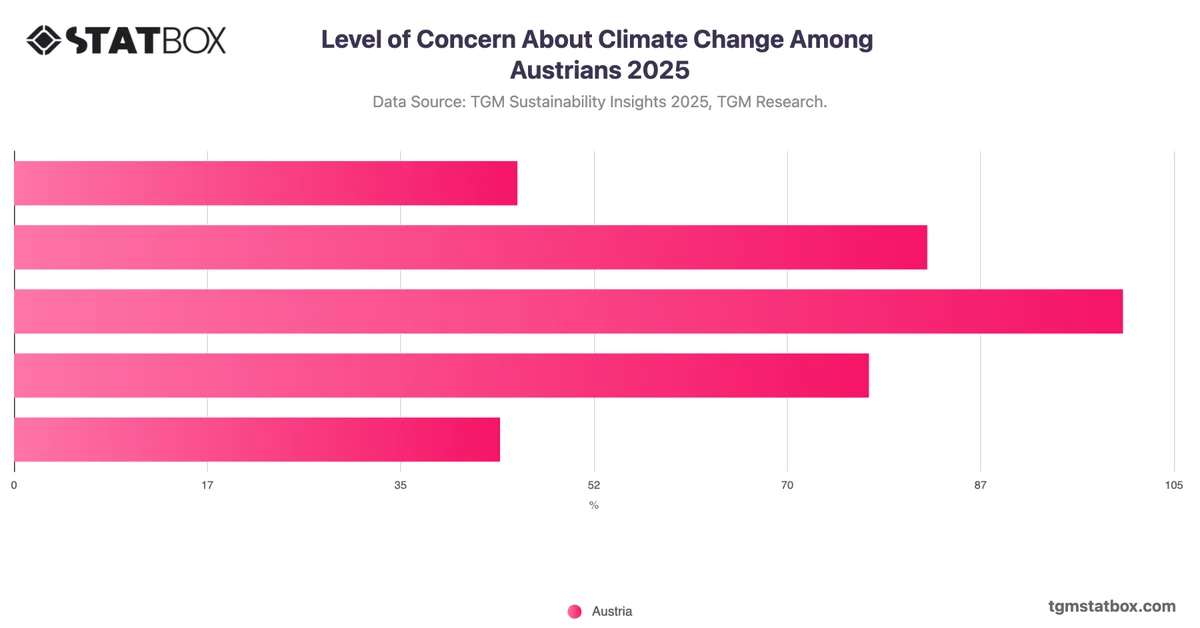
Concern about climate change is prevalent among Austrians.
About this topic

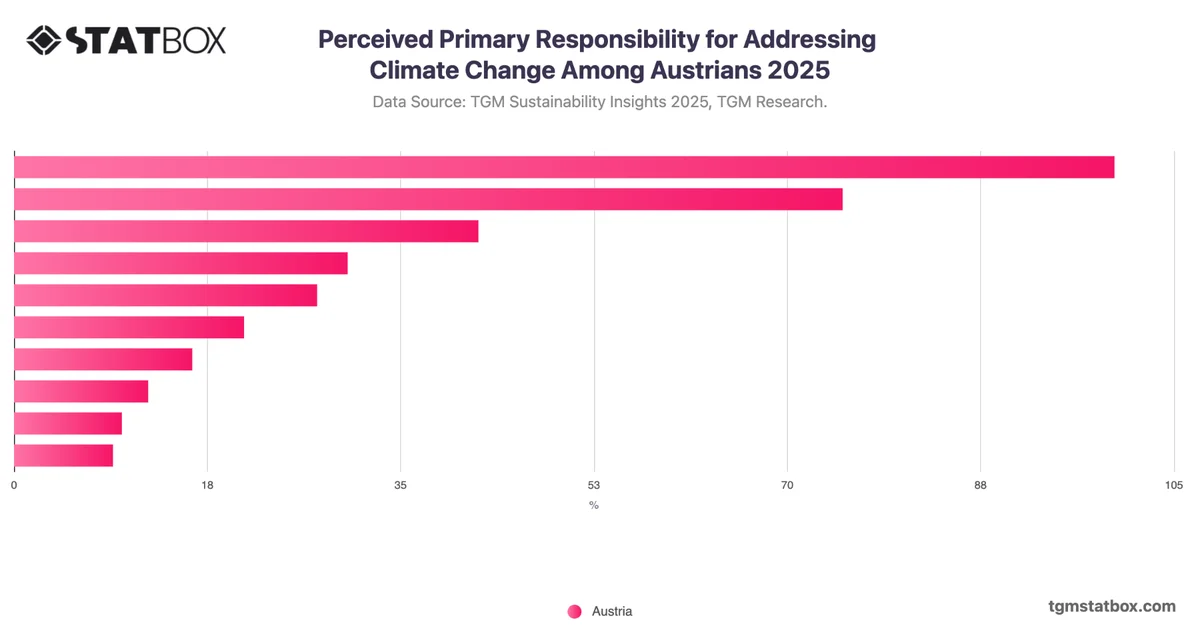
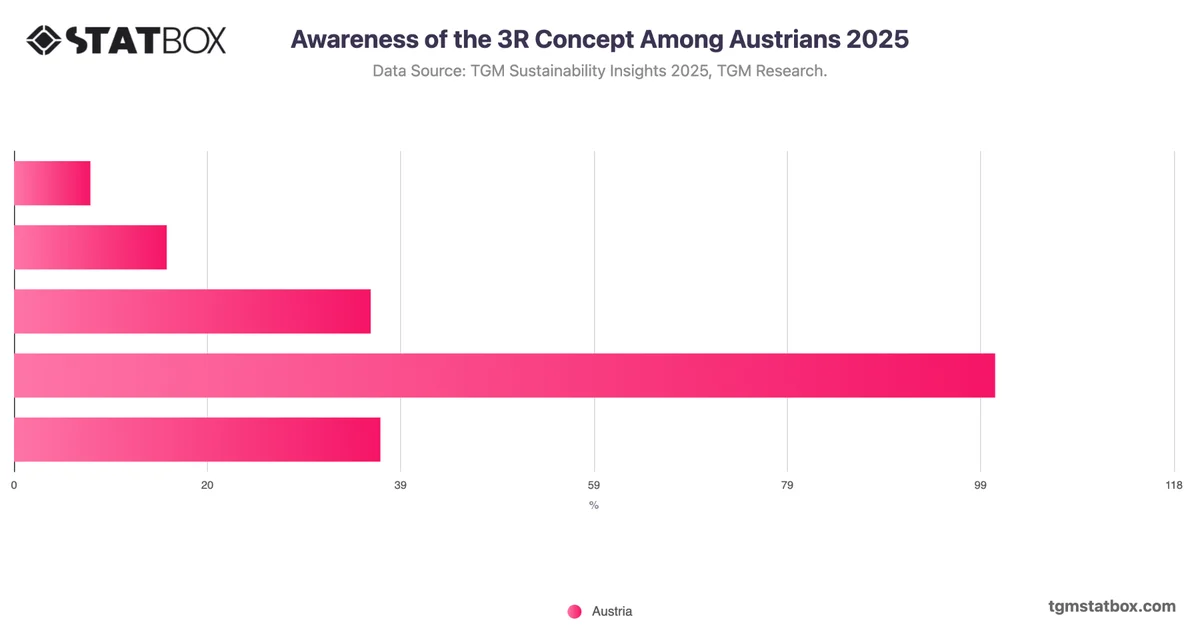
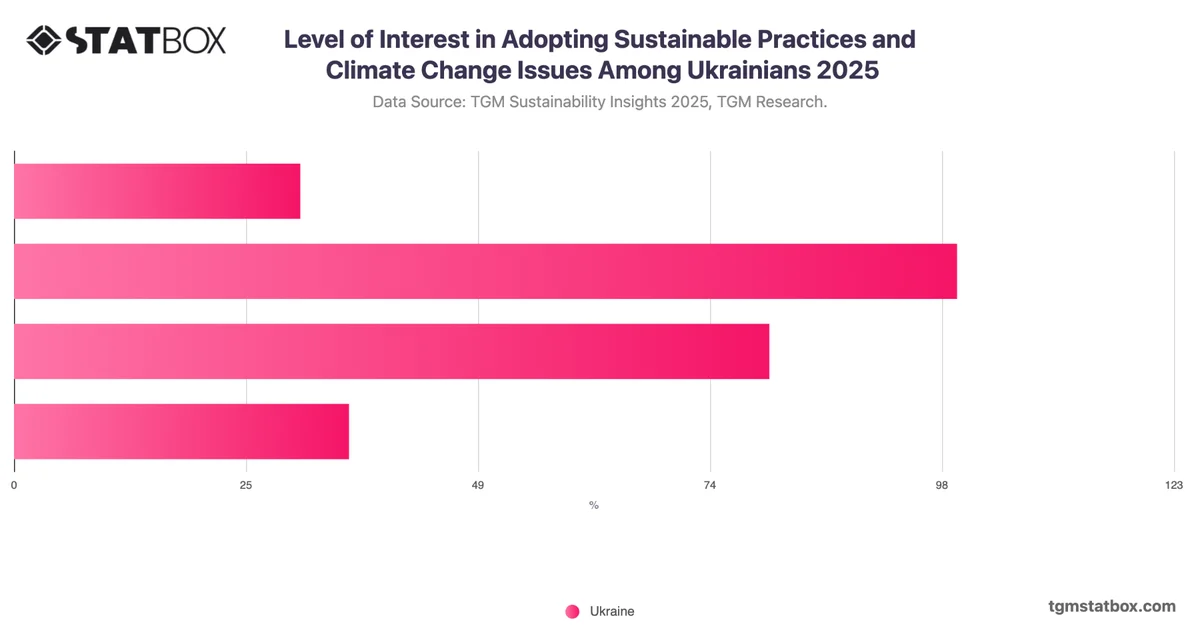
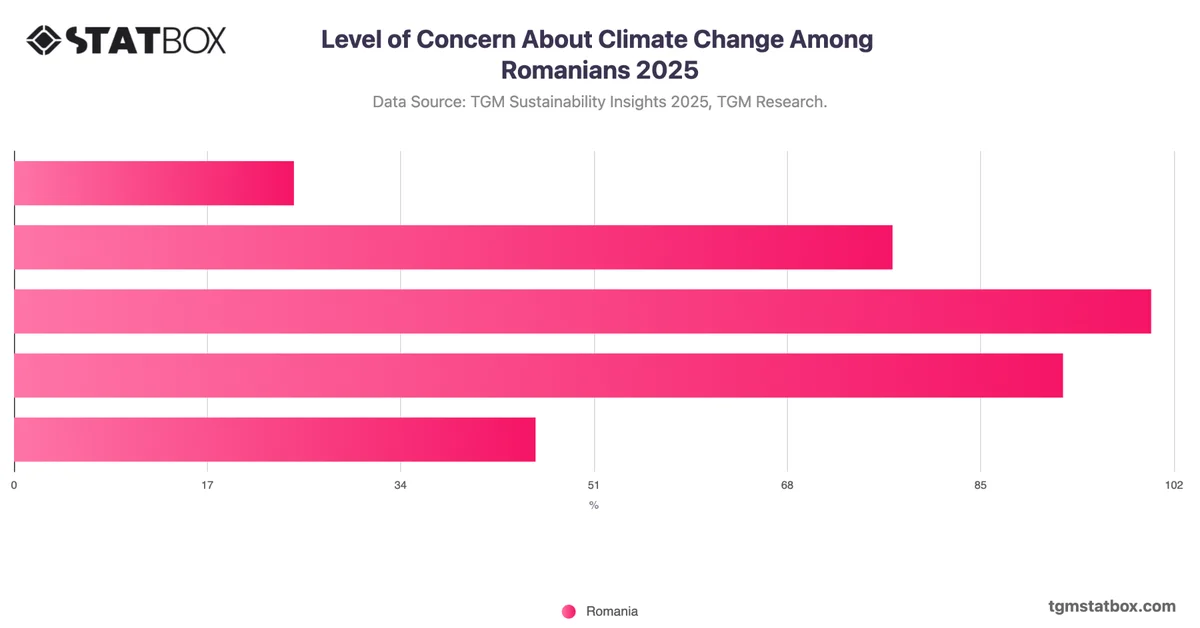
Almost two-thirds of Austrians show some interest in sustainability, but fewer feel a strong personal push to act right away. Only about one in eight (12.6%) are “extremely concerned” about climate change, while most describe themselves as “moderately” or “slightly” concerned. One possible reason is that Austria already performs well in many environmental areas, so people may feel the problem is under control locally. Another is that climate change can seem like a distant, global issue rather than an immediate personal crisis.
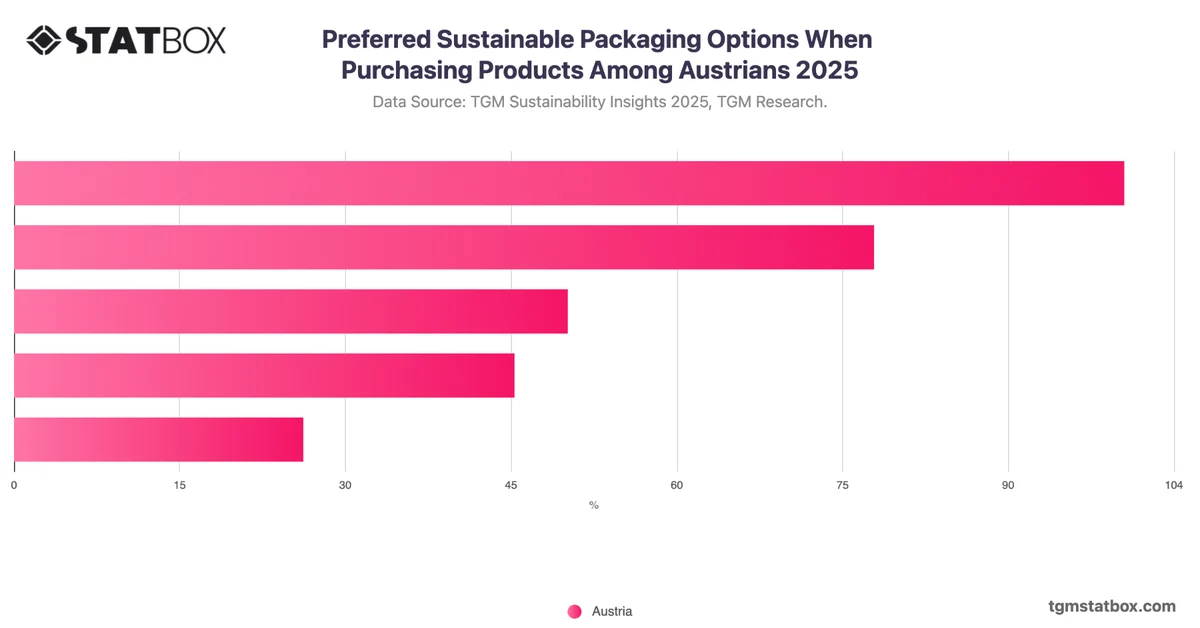
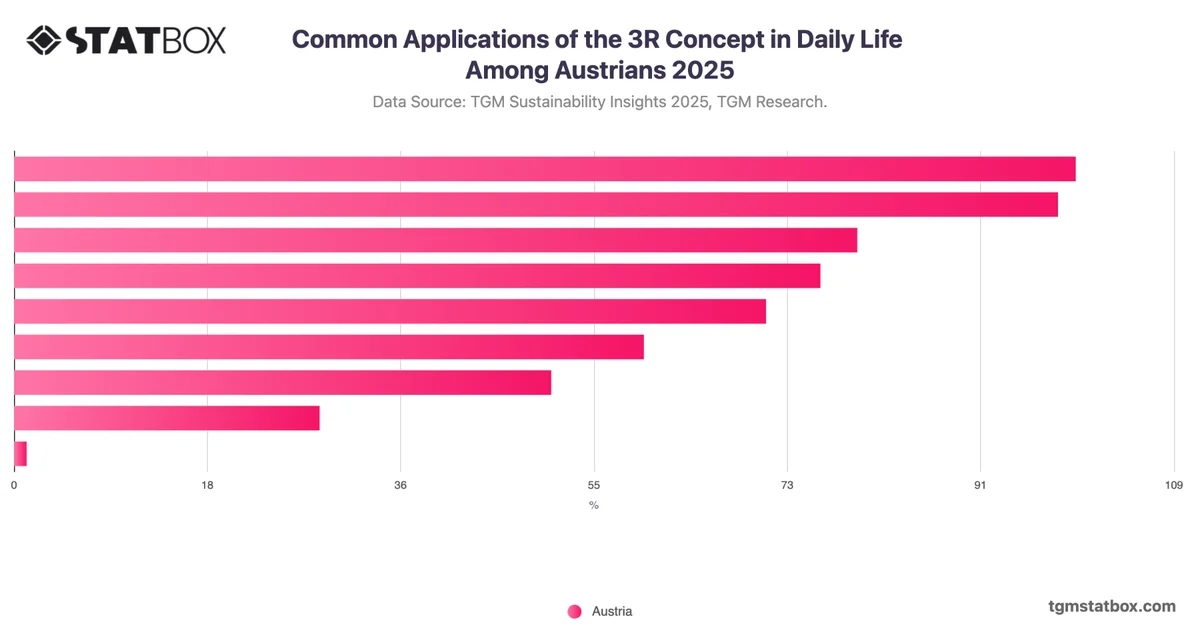
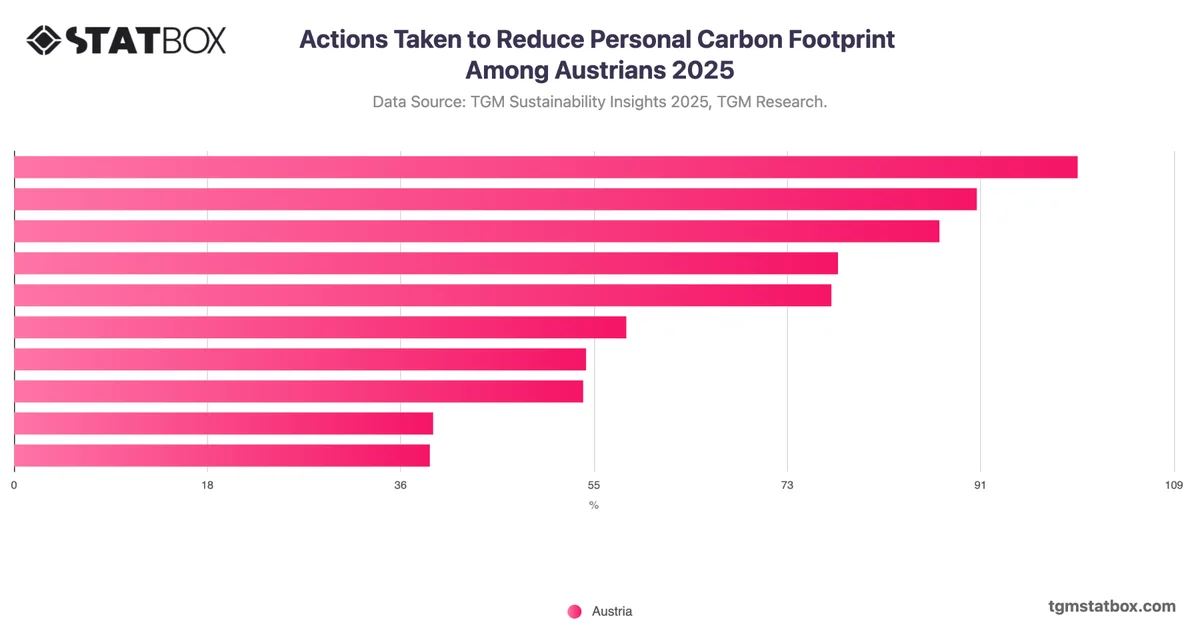
Sustainability in Austria is still rooted in personal, household-level habits rather than large-scale or high-investment commitments.
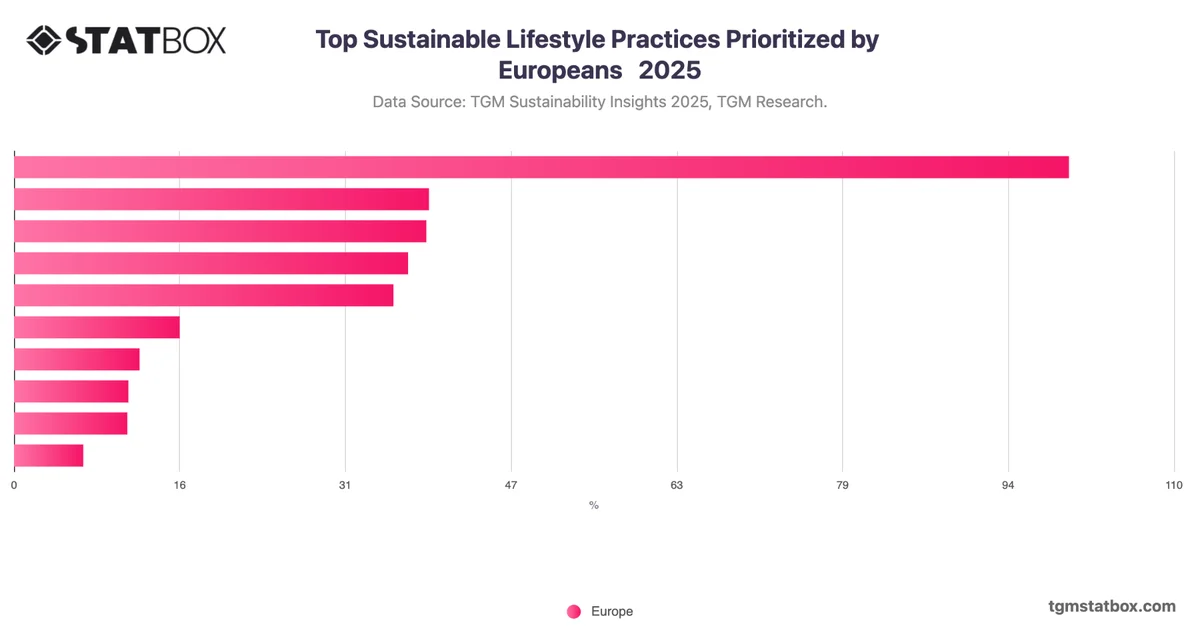
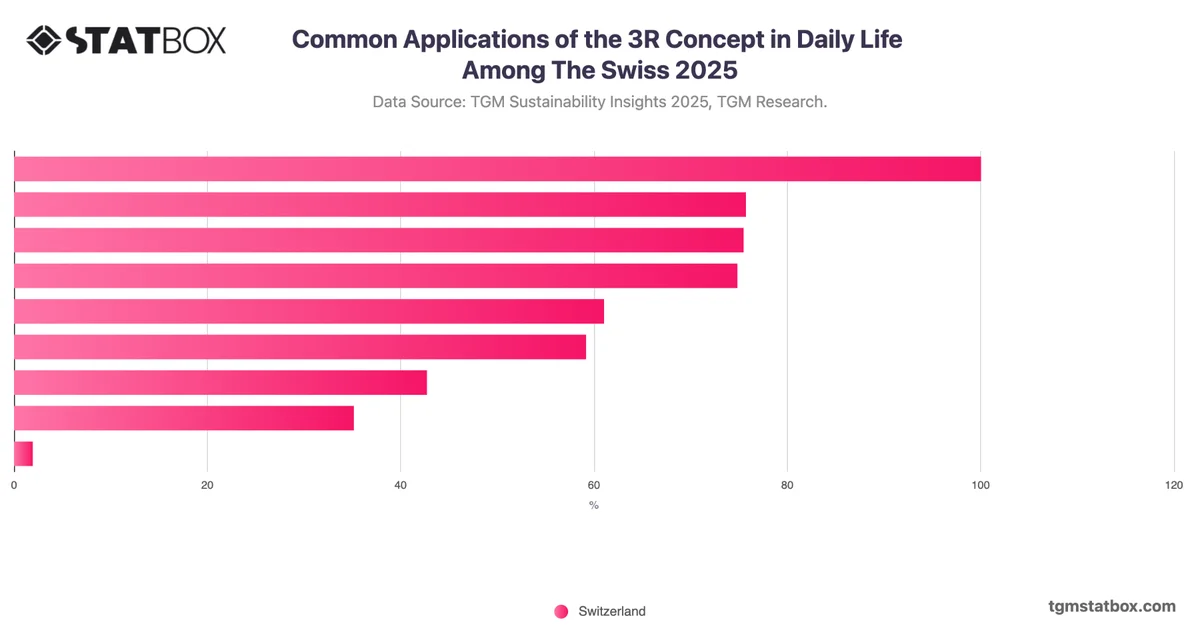
When it comes to overall sustainability priorities, the same pattern holds: minimizing water use is the top focus, followed by saving energy at home and adopting a plant-based diet. Larger, costlier, or community-driven actions, like installing renewable energy systems or joining clean-up projects, are far less common.
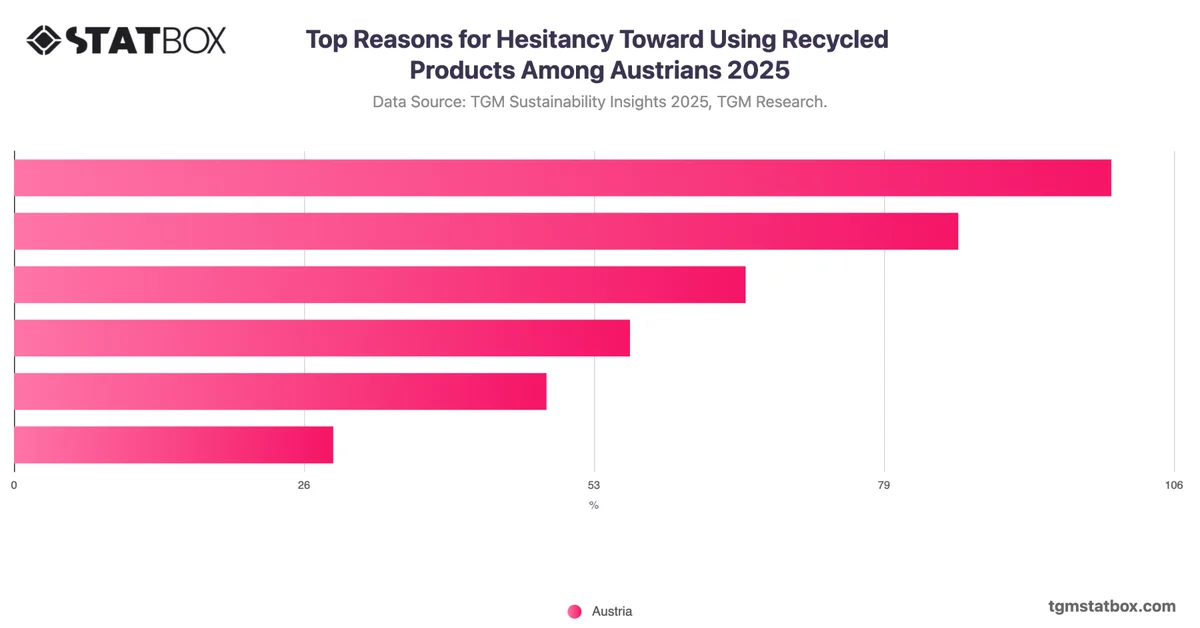
Even with strong awareness, money remains the biggest barrier: over half (52%) say sustainable products are too expensive. Other obstacles include not being able to make housing upgrades (for renters), gaps in public transport, and limited availability of eco-friendly products. These show that in Austria, as in many countries, good intentions can stall when structural and financial challenges get in the way.
*Disclaimer: The information provided by TGM StatBox is intended for general informational purposes only. TGM StatBox does not assume liability for the completeness or accuracy of the information provided. Due to frequent updates, statistics may be more current than mentioned in the text. Please independently verify the information and consult experts as needed.
Reports hub

Charts library

Topics library

Consumer insights, data stories and product updates as we publish them. No other mail, and one click to leave.
Roughly two emails a month.
Our team can run the study behind the story — in 60+ countries, on your question, with the data belonging to you.
Type at least two characters to search.