Population Growth Trends in Denmark (1990-2023)
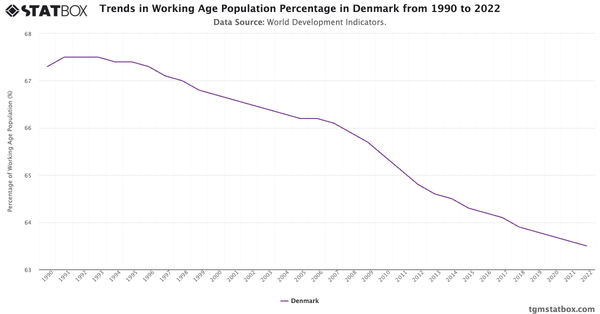
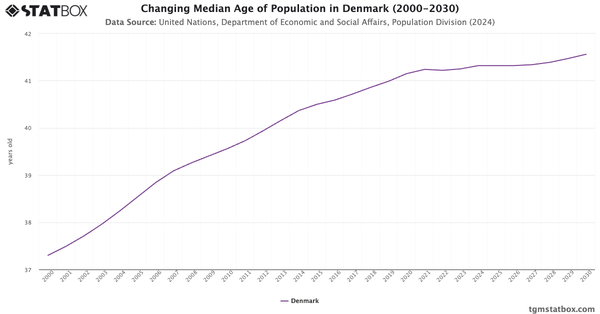
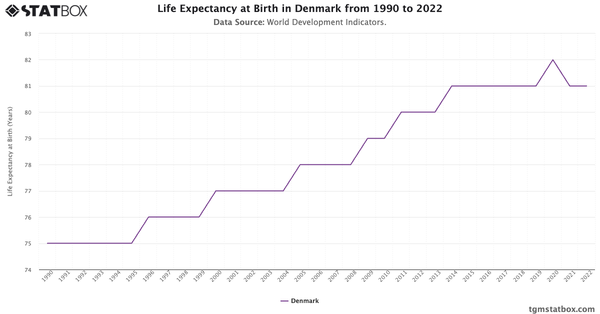
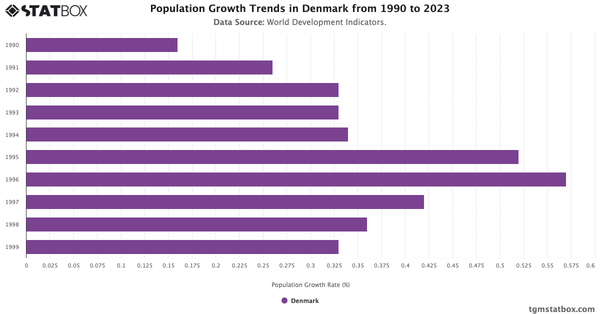
Denmark’s population grew from 5.1 million in 1990 to nearly 5.9 million in 2023, with steady gains throughout. The 1990s saw moderate growth, supported by economic stability and advances in healthcare, which contributed to higher life expectancy. Urbanization increased as people moved to cities, seeking better employment opportunities. By the 2000s, the population growth rate remained stable, driven by improvements in living standards and consistent immigration. The Danish welfare model and high quality of life attracted people from abroad, contributing to demographic expansion. The 2010s experienced a gradual increase in population, although the pace slowed as fertility rates fell, influenced by changes in family planning preferences and societal norms. Between 2020 and 2023, the population crossed the 5.9-million mark, benefiting from a continuous influx of international residents and advancements in healthcare. Denmark’s demographic trends now highlight challenges related to an aging society and the need for sustainable economic support for a growing elderly population.
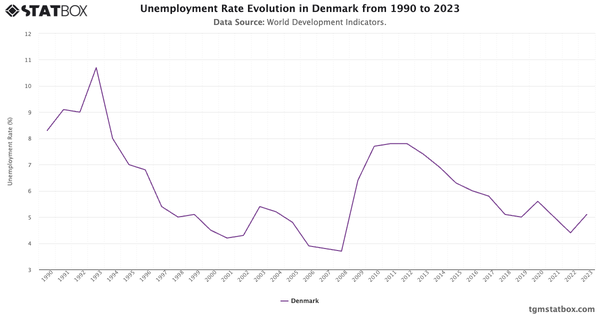
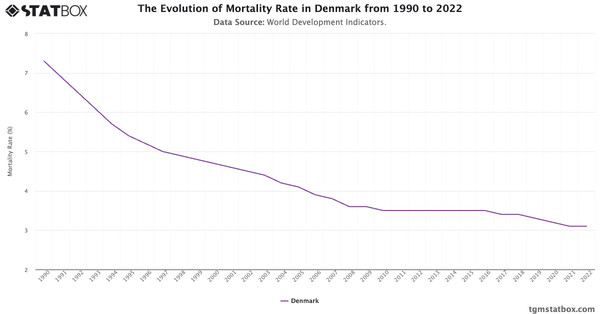
For additional information, visit statistics on Denmark’s military personnel share, Denmark’s unemployment rate, Denmark’s mortality rate trend.