Life Expectancy at Birth in India from 1990 to 2022

Life Expectancy at Birth in India from 1990 to 2022

Share the statistic on social media channels or embed the statistic in your website using "Embed Code", where available.

Share chart

Embed chart
Select Citation

Cite this statistic and select one of the following formats: APA, Chicago, Harvard, MLA & Bluebook


  • APA
  • Chicago
  • Harvard
  • MLA
  • Bluebook
  • IEEE
TGM StatBox. (2024). Life Expectancy at Birth in India from 1990 to 2022. TGM StatBox.
Chart Details
Timeframe: 1990-2022
Country: India
Published date: 2024
Survey Question: Life expectancy at birth, as defined by World Development Indicators, is the average number of years a newborn is expected to live if current mortality rates continue to apply.
Key Takeaways
India’s life expectancy grew significantly from 59 years in 1990 to 71 years by 2019, driven by reductions in infant mortality, improved access to healthcare, and poverty alleviation programs. The rise during the 1990s and early 2000s reflects the impact of nationwide immunization and public health initiatives. Despite progress, challenges in managing non-communicable diseases and regional disparities have caused fluctuations, with life expectancy stabilizing at 68 years in recent years.

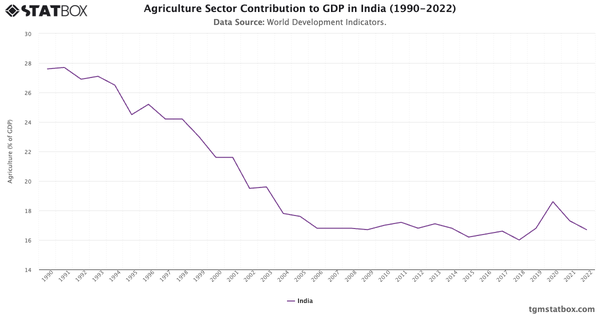
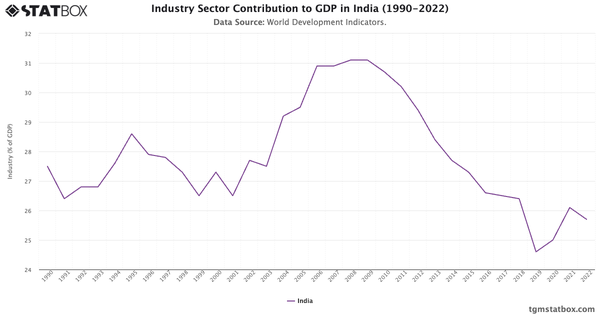
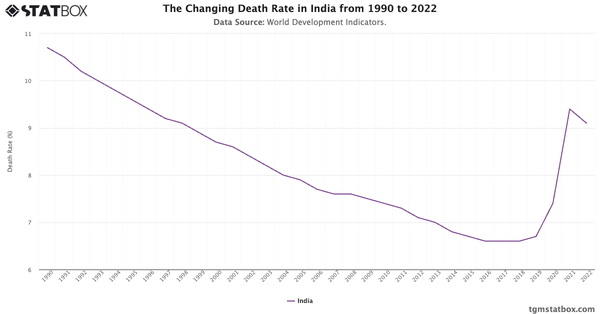
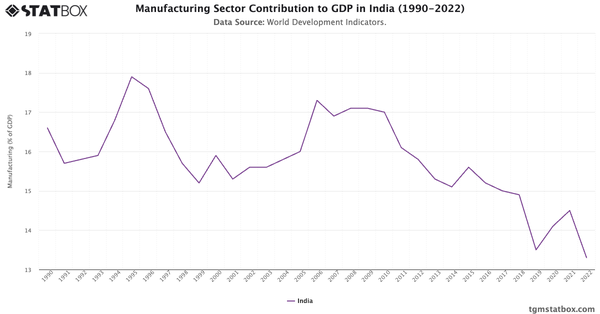
Gain a broader perspective by reviewing industry sector’s GDP share in India, India’s mortality rate trends, India’s evolving death rate.

Would you like to know more?
Check our report on this topic

Sustainability Report: Insights in India

India Sustainability Insights Report 2024

Sustainability Report: Insights in India

Discover how people in India think and act on sustainability. TGM delivers localized, data-driven insights to support responsible business decisions and global impact.

Go to report

Further Recommended Statistics

Statbox vector
Statbox |form contact icon

Have Other Queries?

Statbox vector

Connect with our expert team for immediate assistance or comprehensive market analysis. We are always ready to support your business needs.