Morocco experienced a marked reduction in its fertility rate, from 4.0 in 1990 to 2.3 in 2022. The decline was especially notable during the 1990s, when the rate fell to 3.0 by 1998. Key factors include government campaigns promoting family planning and widespread access to contraception, alongside improved women's education.
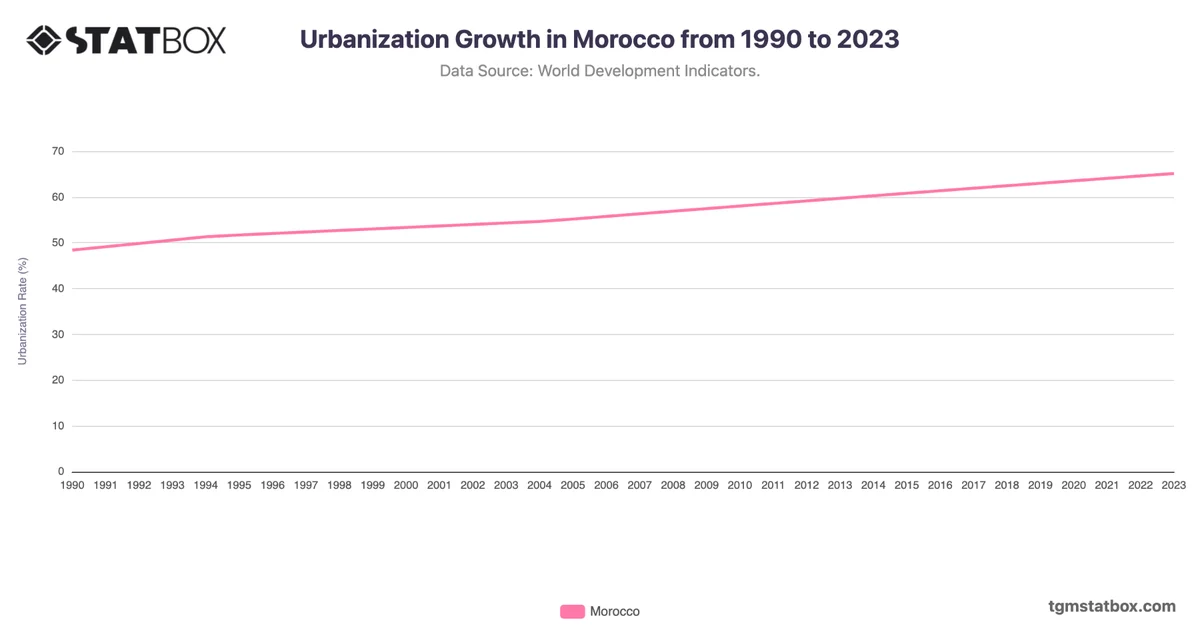
From 2000 onwards, the fertility rate stabilized around 2.6 before gradually declining to 2.3 by 2022. This stabilization reflects Morocco's demographic transition, with urbanization and changing social norms contributing to smaller family sizes. The rate's decline also aligns with Morocco’s efforts to balance economic growth with population management.
From 2000 onwards, the fertility rate stabilized around 2.6 before gradually declining to 2.3 by 2022. This stabilization reflects Morocco's demographic transition, with urbanization and changing social norms contributing to smaller family sizes. The rate's decline also aligns with Morocco’s efforts to balance economic growth with population management.
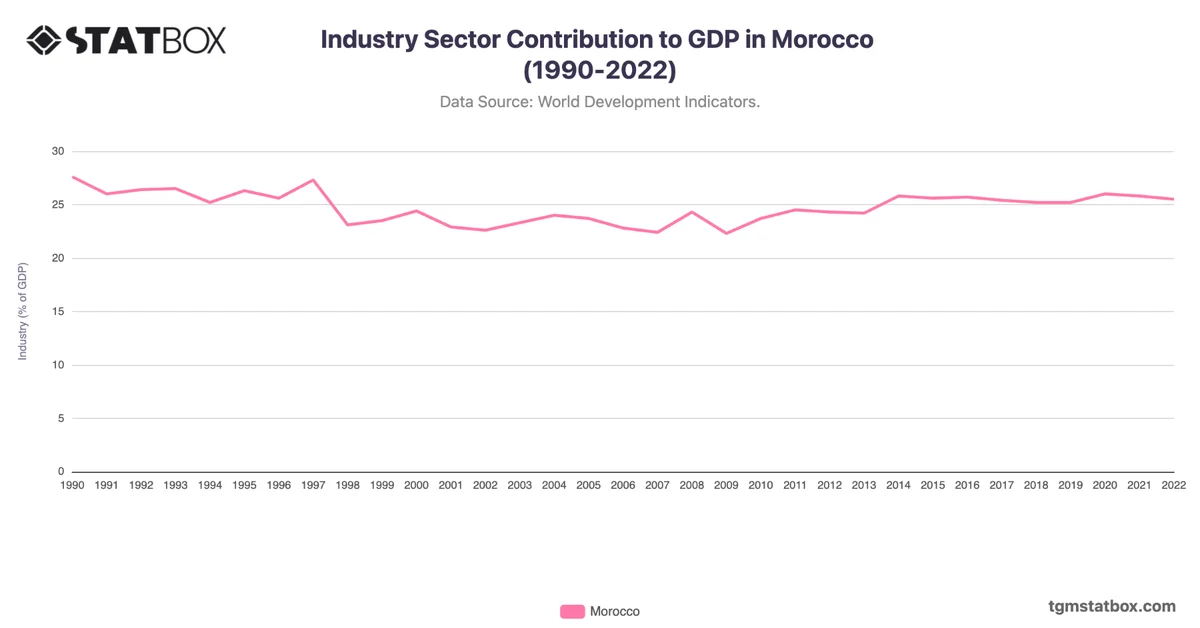
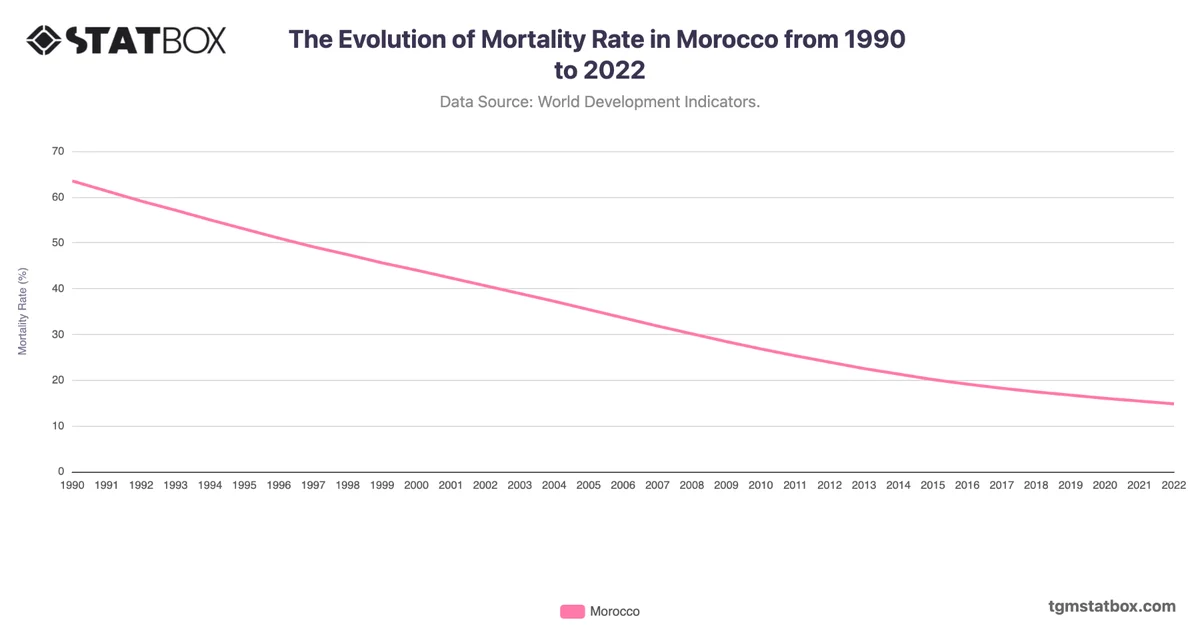
For a deeper dive into the topic, explore Morocco’s mortality rate progression, industry sector’s GDP share, Morocco’s life expectancy at birth.