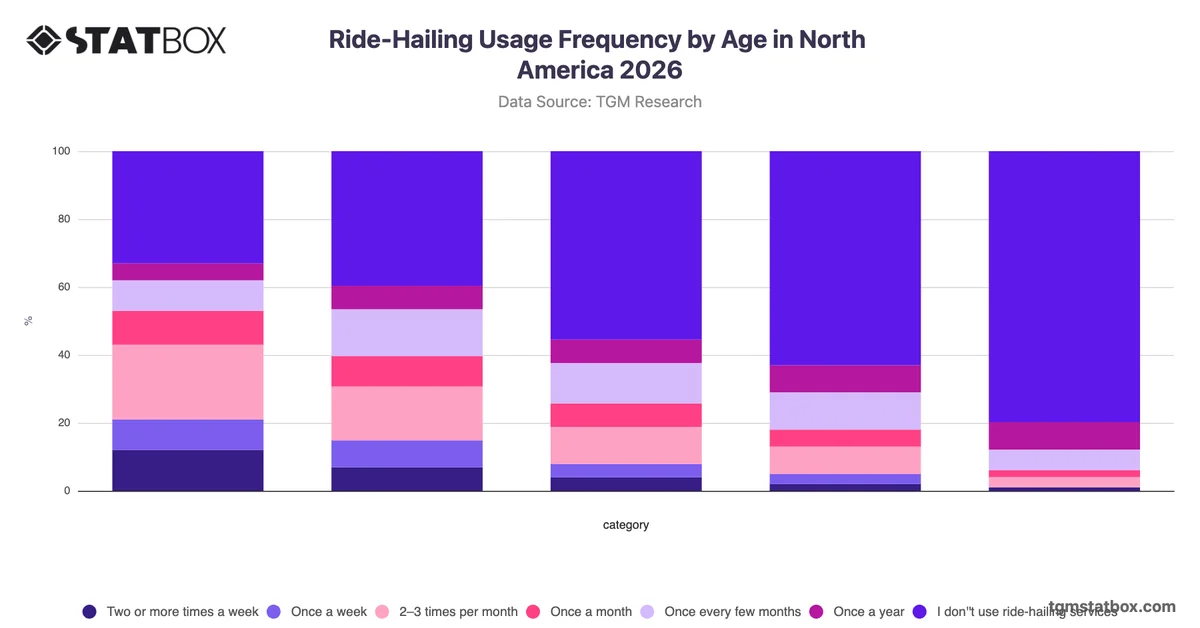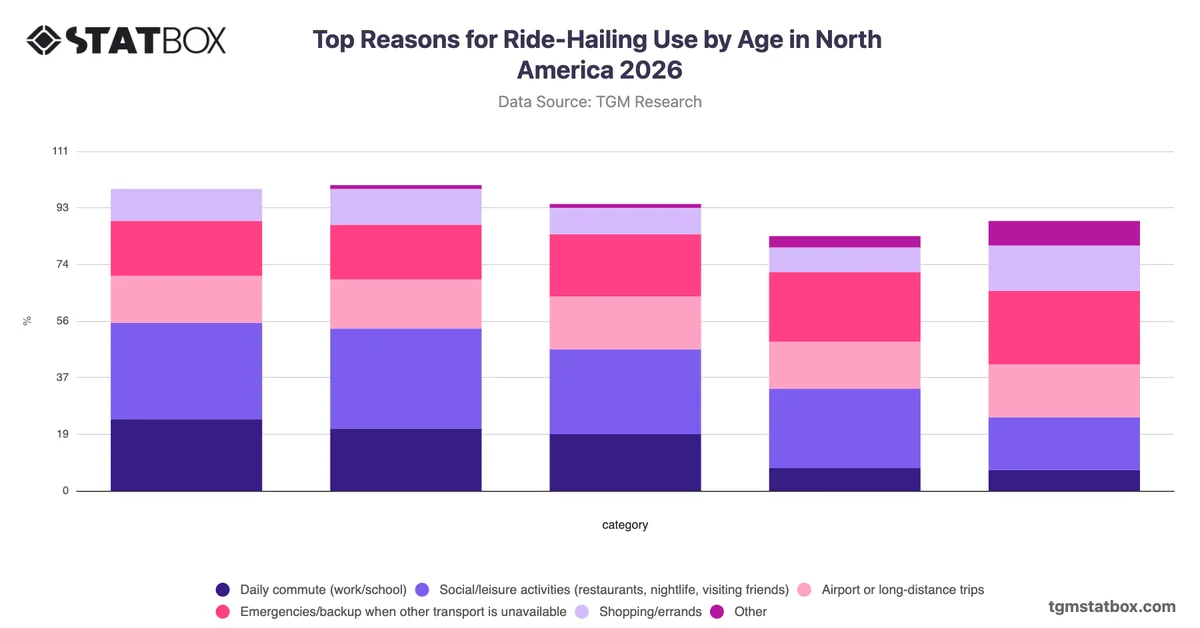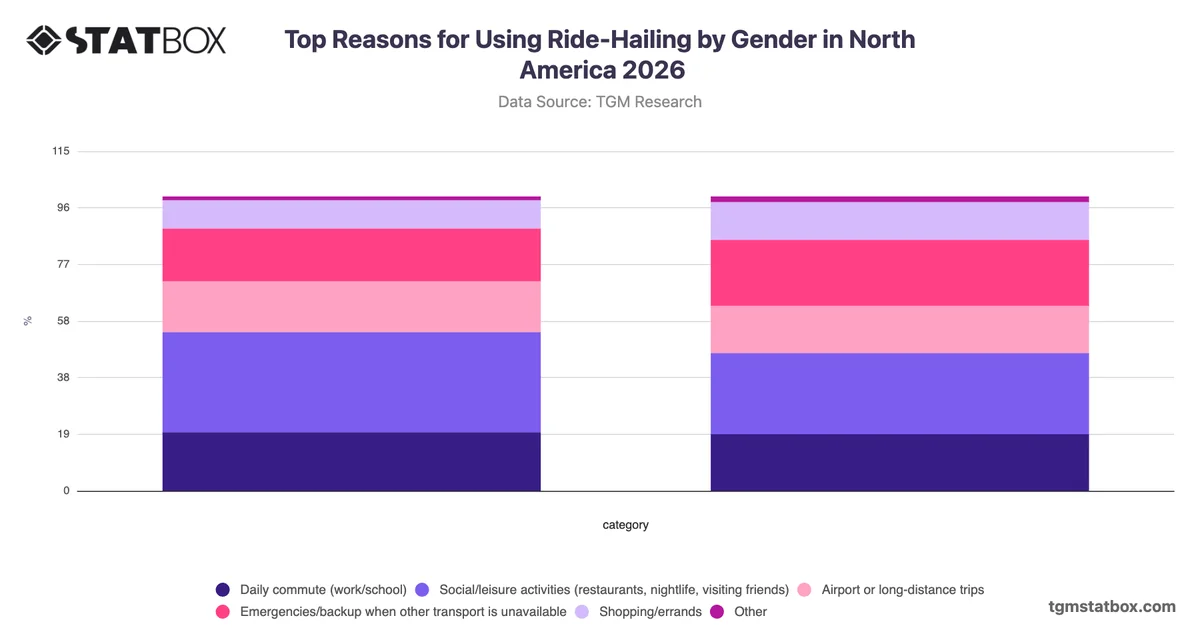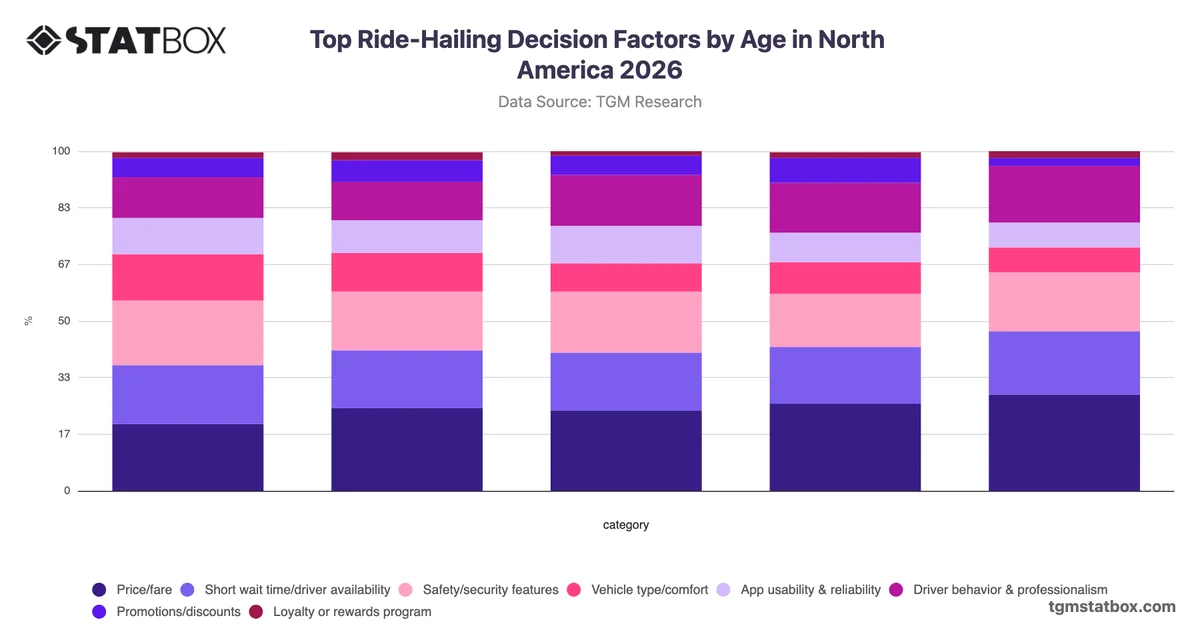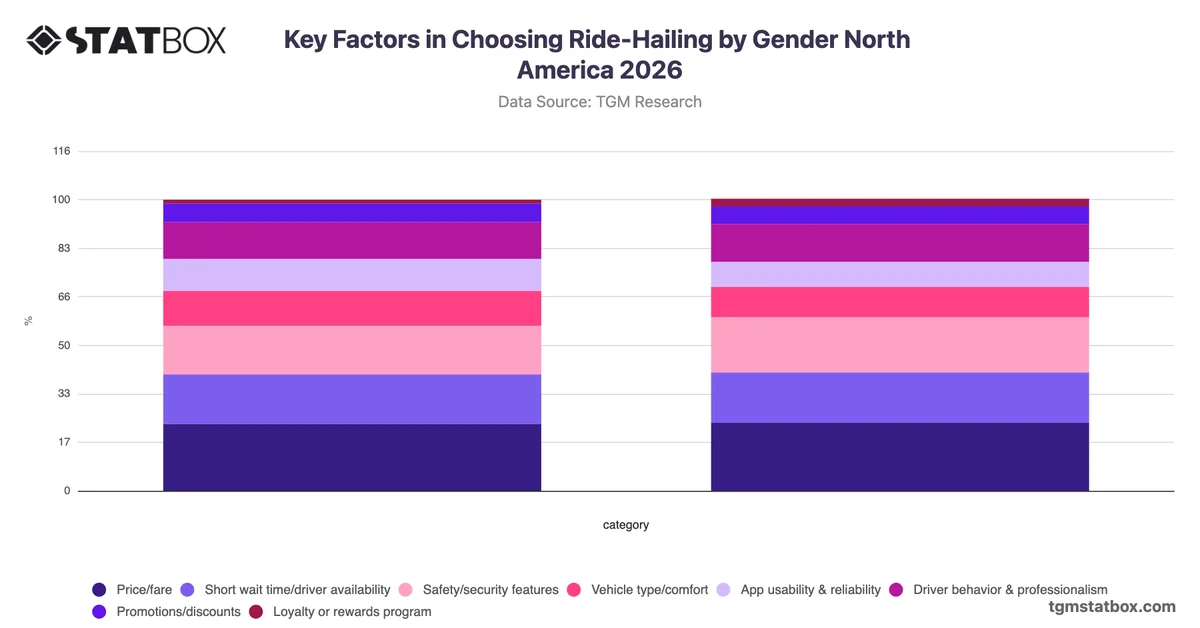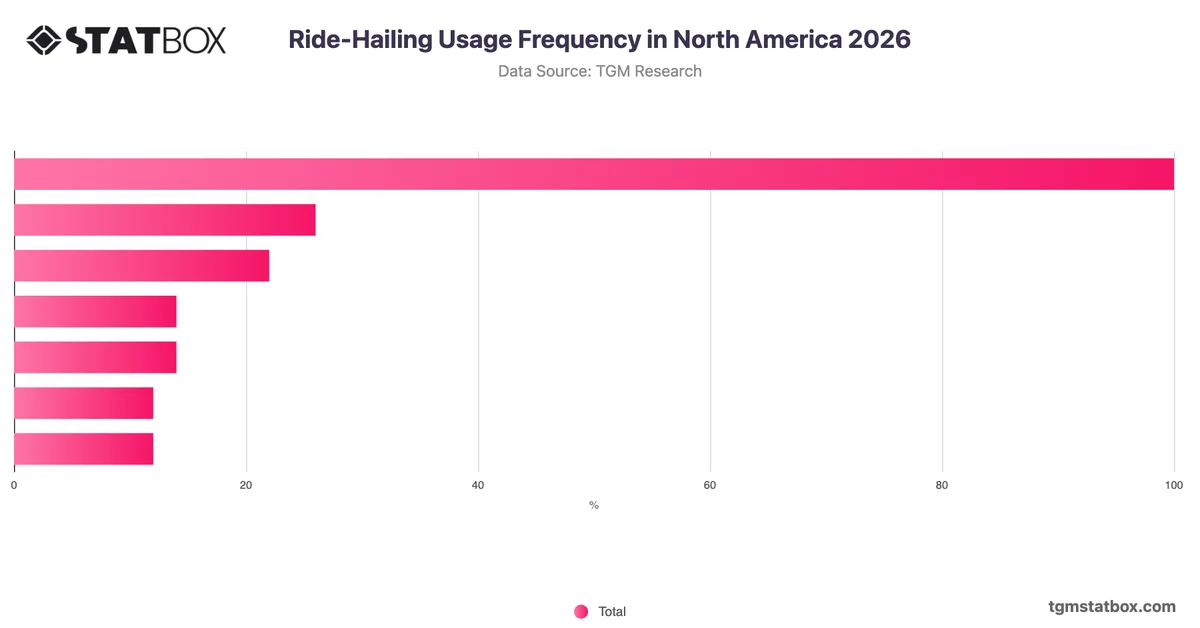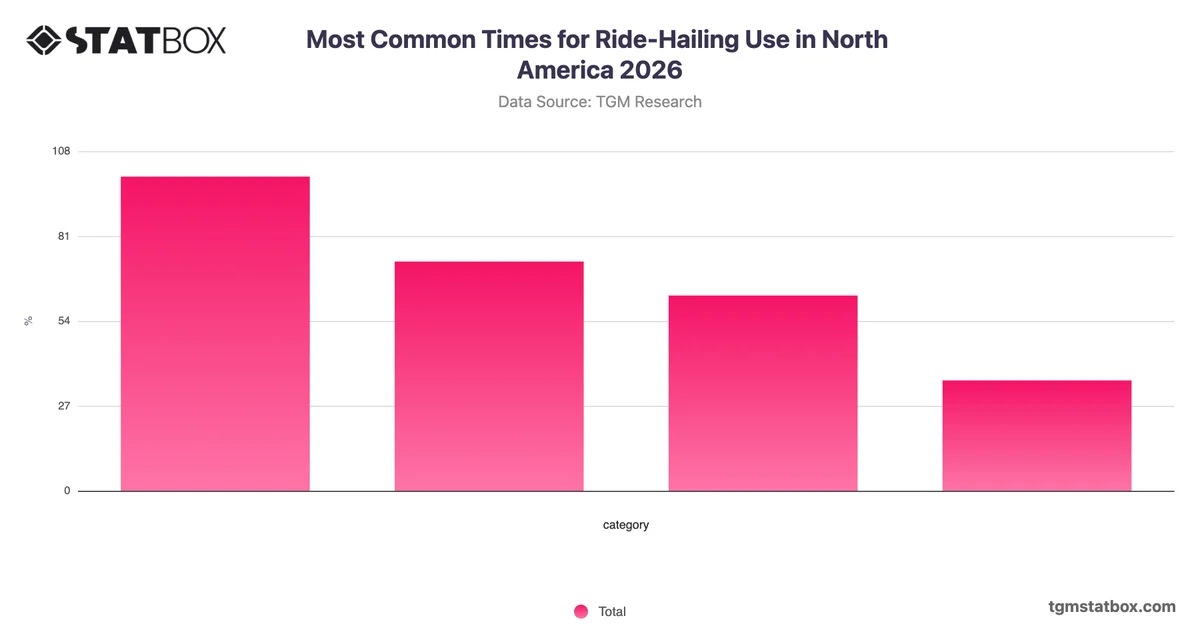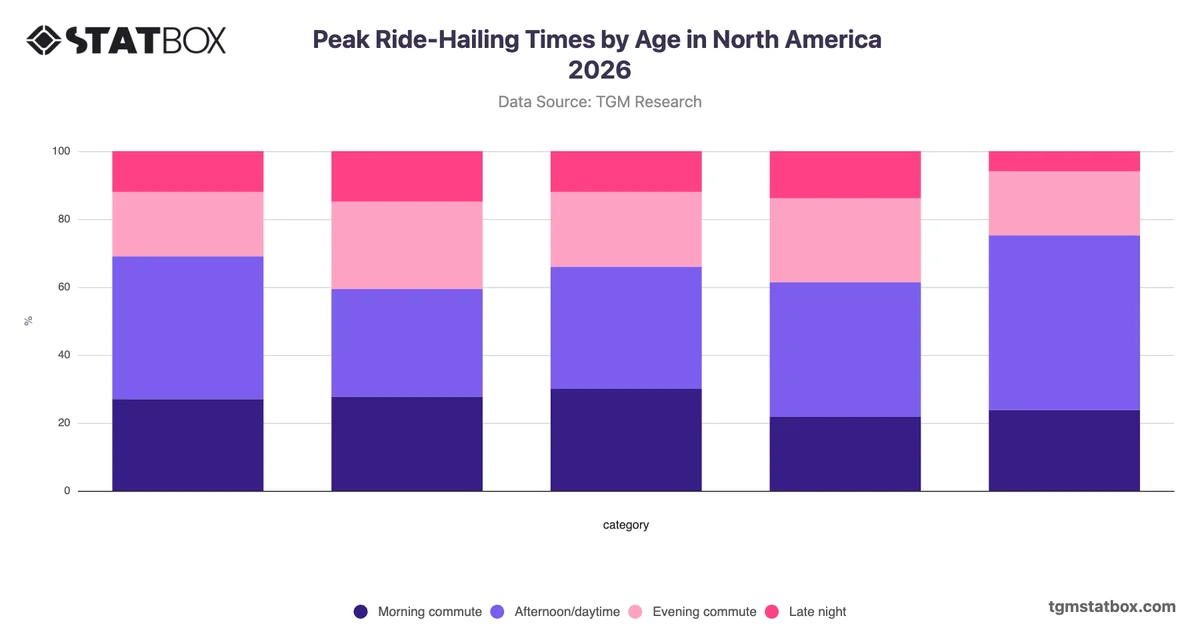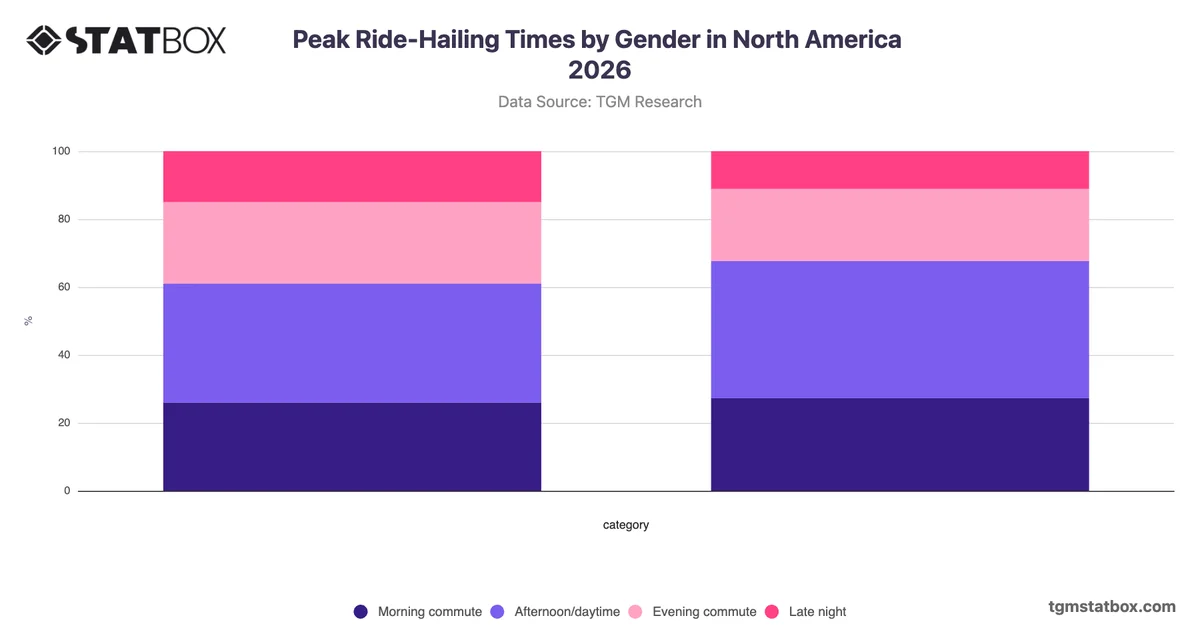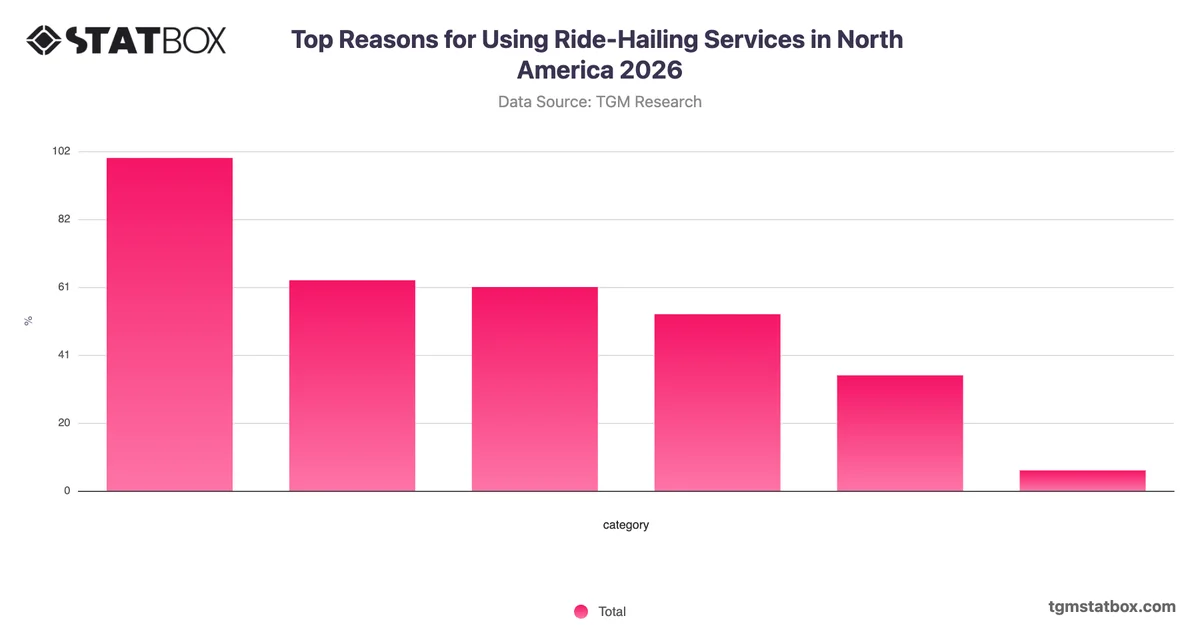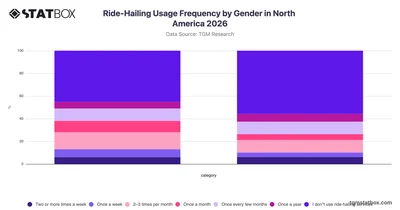
Ride-hailing services such as Uber and Lyft offer urban commuters a flexible, on-demand alternative to personal vehicle ownership and public transit, with particular value for those navigating busy city centers or areas with limited parking. These platforms benefit from growing smartphone penetration and digital payment adoption across North America. Understanding how usage patterns differ between male and female riders helps operators tailor pricing strategies, loyalty programs, and service availability to better match real demand. Gender-based differences in adoption rates carry direct implications for customer acquisition costs and long-term retention planning.