Population Growth Trends in South Africa (1990-2023)
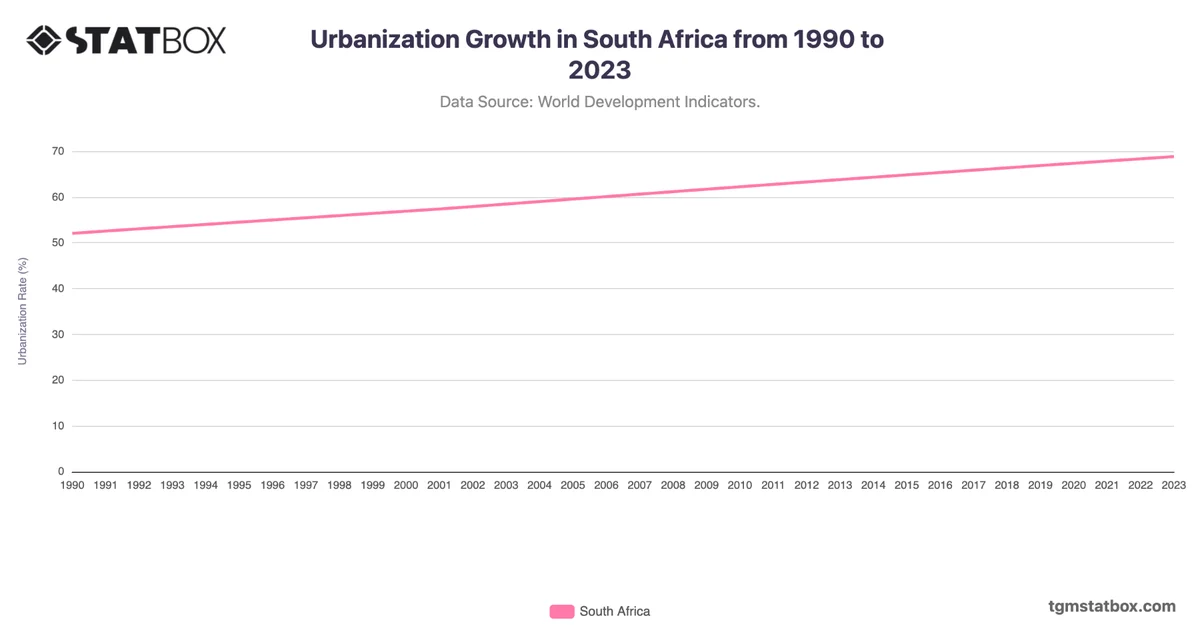
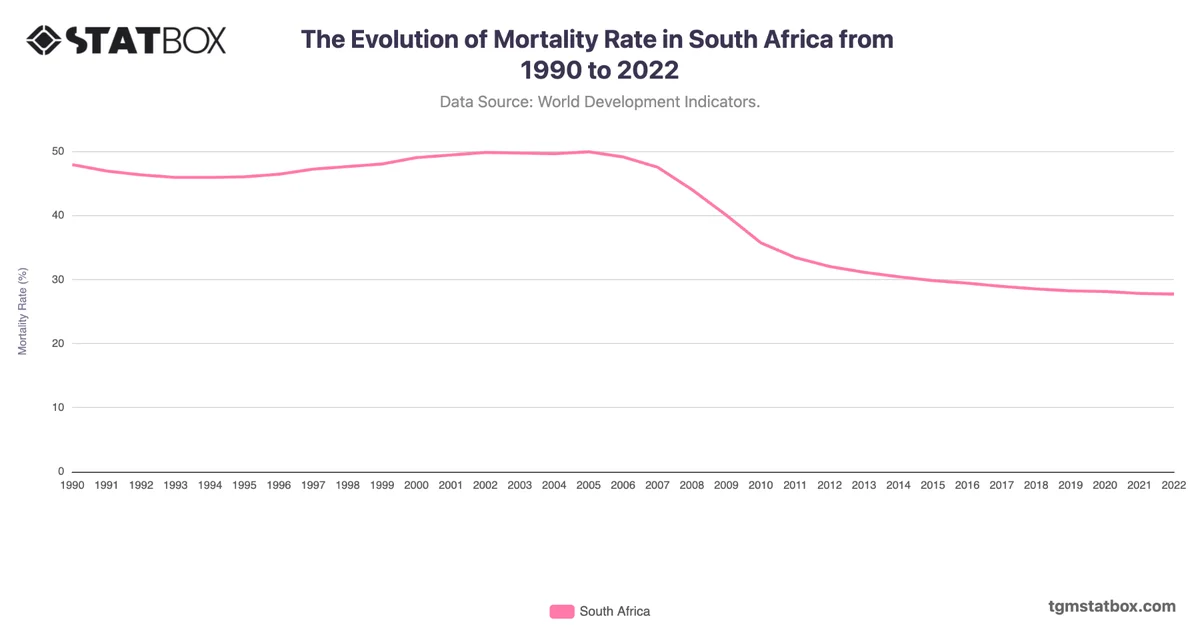
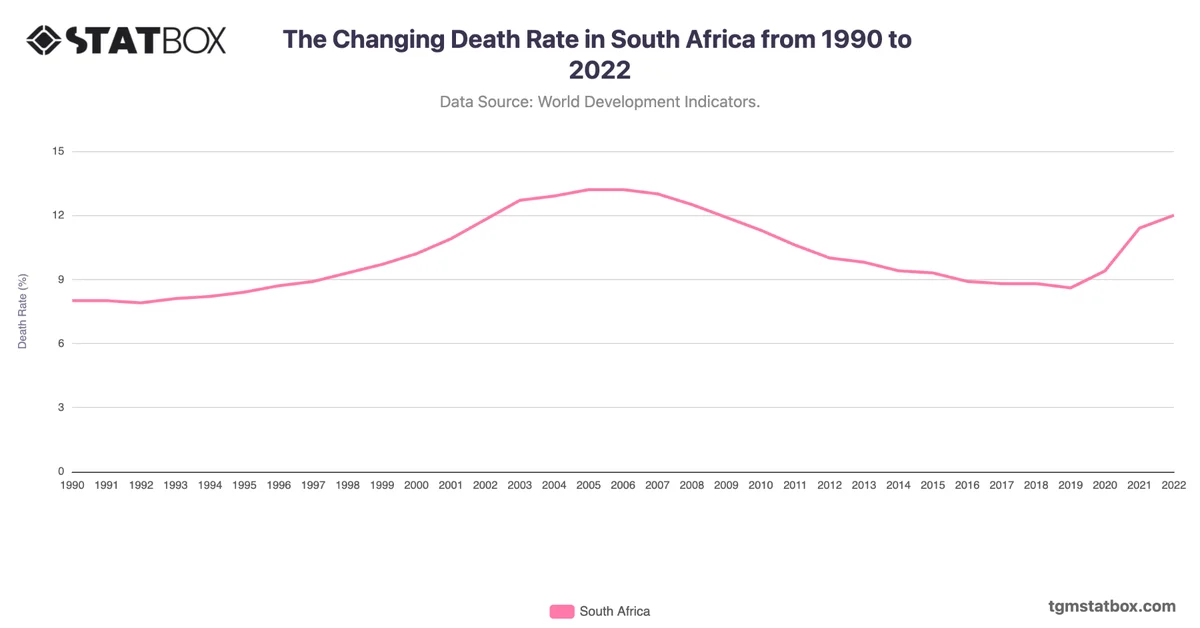
South Africa’s population grew from around 39.8 million in 1990 to approximately 60.4 million by 2023. Growth was driven by high birth rates and improved healthcare, particularly in the early 2000s. South Africa’s population grew steadily, with notable increases in the 2010s as healthcare services improved, leading to reduced mortality rates. Despite these gains, the country faces challenges such as HIV/AIDS and economic inequality, which impact demographic stability. Nevertheless, South Africa’s young population and ongoing urbanization are likely to support future growth, with significant implications for economic and social planning.
South Africa’s population grew from around 39.8 million in 1990 to approximately 60.4 million by 2023. Growth was driven by high birth rates and improved healthcare, particularly in the early 2000s. South Africa’s population grew steadily, with notable increases in the 2010s as healthcare services improved, leading to reduced mortality rates. Despite these gains, the country faces challenges such as HIV/AIDS and economic inequality, which impact demographic stability. Nevertheless, South Africa’s young population and ongoing urbanization are likely to support future growth, with significant implications for economic and social planning.
Find out more through related statistics on South Africa’s annual GDP growth rate, South Africa’s working-age population share, South Africa’s annual foreign aid data.