Charts library
Not sure where to start? Dive into a diverse selection of charts and data visualizations across topics, and find the information you need to drive your research and analysis.
 Pro
Pro
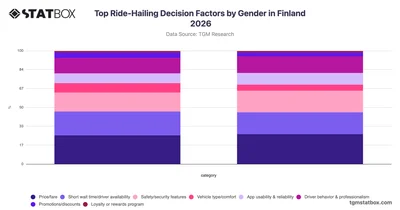
Compare how male and female riders in Finland prioritize ride-hailing decisions with gender-segmented data from TGM StatBox.
 Pro
Pro
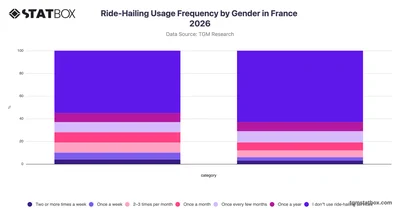
Explore ride-hailing usage frequency by gender in France with TGM StatBox, revealing how often men and women use these services in 2026.
 Pro
Pro
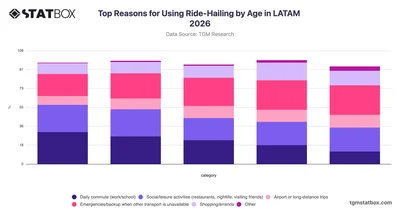
Explore how ride-hailing usage reasons vary across age groups in LATAM with TGM StatBox data covering commuting, leisure, emergencies, and more.
 Pro
Pro
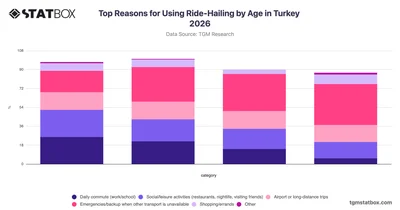
Discover how ride-hailing usage reasons vary across age groups in Turkey with TGM StatBox, covering commuting, leisure, emergencies, and more.
 Pro
Pro
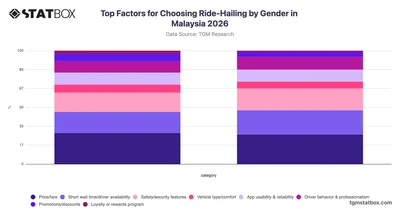
Explore how male and female riders in Malaysia differ in their ride-hailing service preferences with gender-segmented data from TGM StatBox.
 Pro
Pro
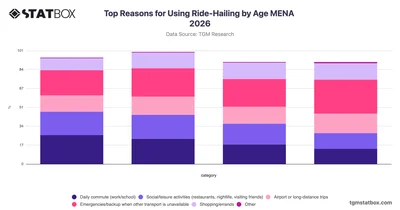
Explore why different age groups in MENA use ride-hailing services, from daily commutes to emergencies, with TGM StatBox's 2026 breakdown.
 Pro
Pro
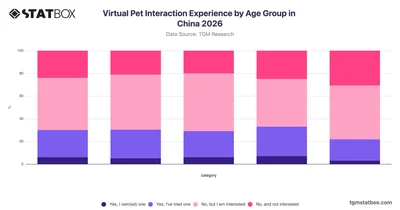
Explore virtual pet interaction experience across age groups in China with TGM StatBox, covering ownership, trial, and interest levels by demographic segment.
 Pro
Pro
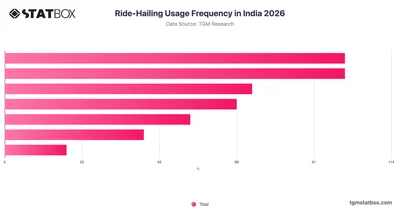
Explore how frequently Indians use ride-hailing services in 2026 with TGM StatBox, covering usage patterns from weekly riders to non-users across India.
 Pro
Pro
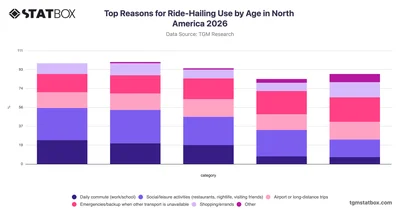
Explore how ride-hailing usage reasons vary across age groups in North America with TGM StatBox's 2026 breakdown of motivations from daily commutes to leisure trips.
 Pro
Pro
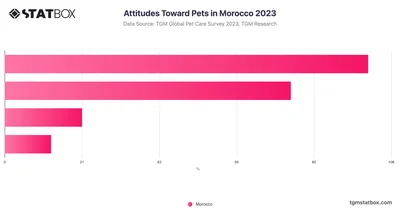
84% of Moroccans have favorable views towards pets, with a considerable portion of respondents expressing a general liking for all pets, while others prefer specific types.
 Pro
Pro
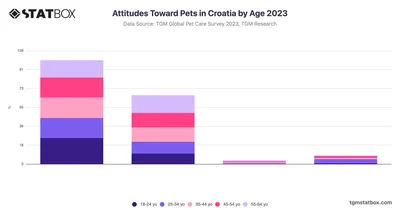
As age increases, a preference for specific pets becomes more pronounced. Notably, 47% of those aged 55-64 prefer only certain pets, indicating changing attitudes towards companion animals.
 Pro
Pro
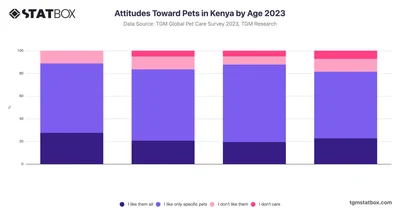
Around 60-67% of respondents across all age groups between 18-54 years old prefer specific pets rather than all animals, while roughly 20-27% express affection for all pets.
 Pro
Pro
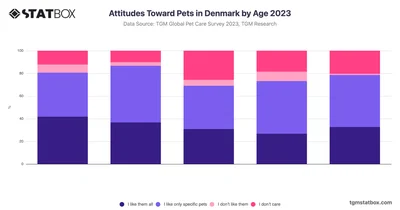
Among 18-24 year-olds, 41% express a liking for all pets. This trend declines in older age groups, with only 26% of 45-54 year-olds sharing this sentiment.
 Pro
Pro
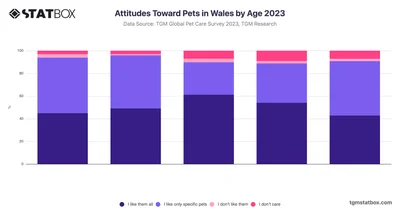
In Wales, 60% of individuals aged 35-44 only like specific pets compared to 42% of those aged 55-64. Women generally show more affection for pets, with 52% favoring all types.
 Pro
Pro
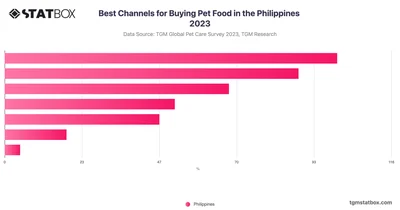
Independent pet stores or small pet chains are popular, with 38% of respondents choosing this option. These stores often offer specialized products and personalized service.
 Pro
Pro
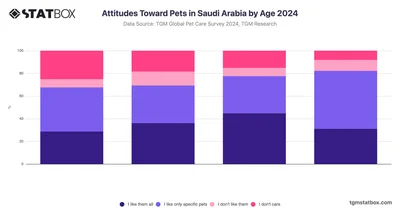
In Saudi Arabia, women are more likely to like specific pets compared to men, while men generally like all pets more (40.22% vs 31.55%).
 Pro
Pro
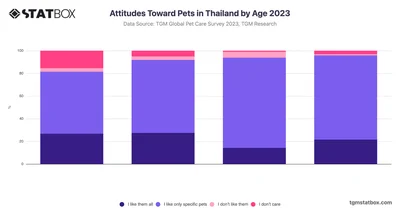
Preference for specific pets peaks in the 35-44 age group. This trend is also significant among 25-34-year-olds (63%) and decreases in younger age groups.
 Pro
Pro
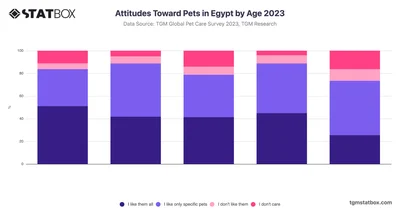
Among respondents, the highest approval rating for pets is seen in the youngest age group (18-24 years), with 50% expressing that they like all pets.
 Pro
Pro
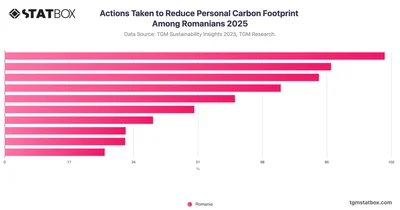
Recycling and composting are the most common actions Romanians take to lower their carbon footprint, with nearly 59% engaging in these practices.
 Pro
Pro
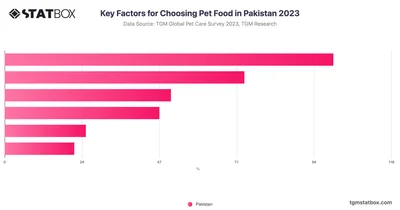
For pet owners in Pakistan, quality stands out as the primary consideration, with 85% prioritizing it in their pet food choices.
 Pro
Pro
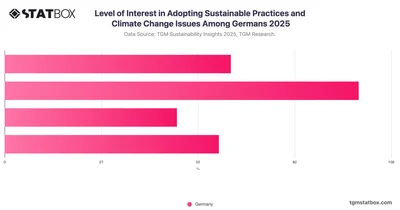
Germany, often seen as a pioneer in green policy, reveals a more divided reality at the individual level. 23.4% of respondents say they are very interested in sustainability and climate change.
 Pro
Pro
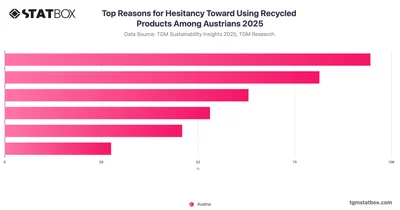
The top reason for hesitancy toward using recycled products among Austrians is limited availability or selection, cited by nearly 38% of respondents.
 Pro
Pro
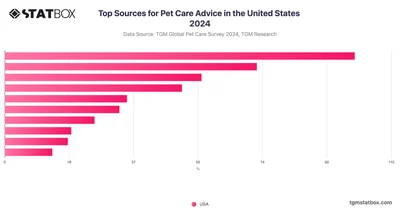
American pet owners draw from a wide array of resources for pet care guidance, with veterinarians leading as the primary source (54.32%).
 Pro
Pro
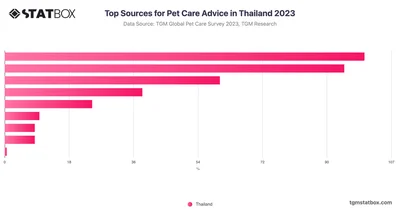
Pet owners in Thailand primarily rely on internet searches (55.84%) and social media (52.70%) for pet care advice. Veterinarians and pet stores are also significant sources.
 Pro
Pro
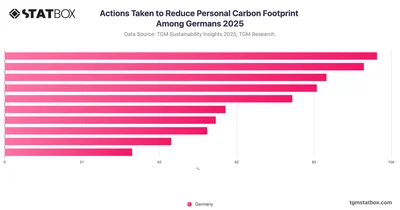
Climate action in Germany is less about bold gestures, more about steady, habitual steps, a reflection of both practicality and the structural limitations still shaping German consumer behavior.
 Pro
Pro
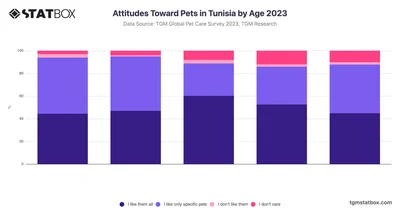
Among the younger demographics, particularly those aged 18-24, a significant 44% expressed a liking for all pets, while 49% preferred only specific pets.
 Pro
Pro
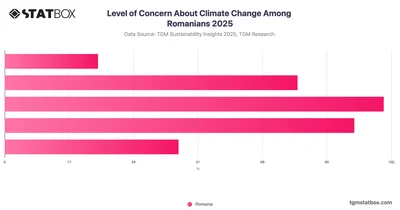
Climate concern in Romania is widespread but varies in depth. Nearly three in ten are moderately concerned, and a similar share are very concerned.
 Pro
Pro
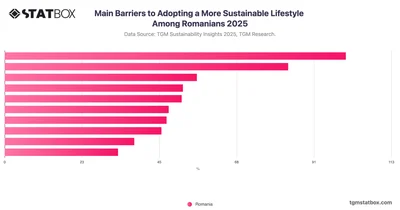
For Romanians, the main barriers to a more sustainable lifestyle are practical and financial. High costs of sustainable products (44%) and insufficient facilities lead the list.
 Pro
Pro
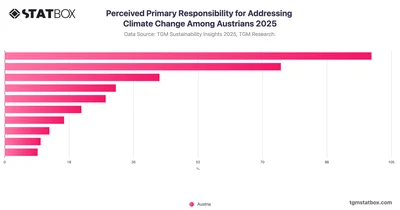
Austrians placed the greatest expectation on governments and policymakers, with 28% identifying them as the key actors.
 Pro
Pro
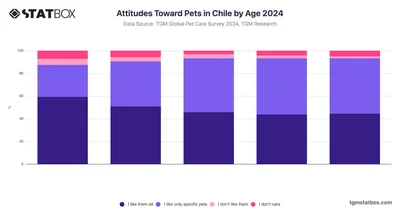
A notable 52.83% of Chilean females express a preference for all pets, compared to 44.75% of males. Among age groups, the 18-24 age bracket shows the highest enthusiasm,