Share the statistic on social media channels or embed the statistic in your website using "Embed Code", where available.
Share chart
Embed chart Embed copied!Cite this statistic and select one of the following formats: APA, Chicago, Harvard, MLA & Bluebook
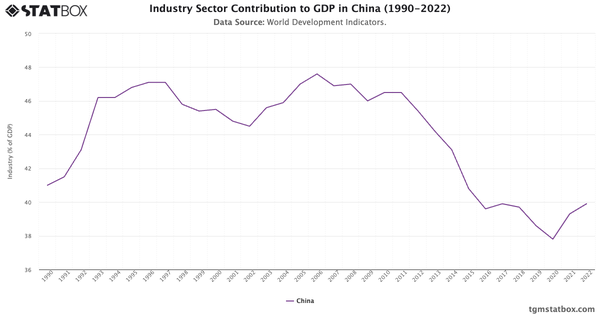
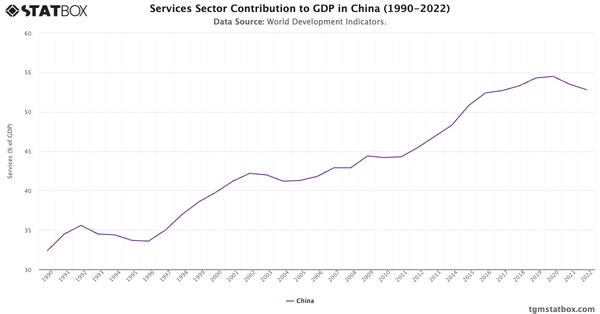
Find out more through related statistics on China’s services sector share in GDP, China’s unemployment rate trend, China’s manufacturing sector share in GDP.



Connect with our expert team for immediate assistance or comprehensive market analysis. We are always ready to support your business needs.