Japan's military personnel numbers remained relatively stable between 1990 and 2016, consistently hovering around 240,000 to 250,000 with minor fluctuations. The numbers dipped slightly during the early 1990s, reflecting budget constraints following the burst of Japan’s economic bubble. By the mid-1990s, personnel levels rebounded to around 250,000, supported by heightened regional security concerns and Japan’s commitment to maintaining its Self-Defense Forces (SDF).
The slight increase to 260,000 in 2006 likely aligns with Japan's enhanced defense policies in response to North Korea's nuclear tests and other regional tensions. Despite challenges, personnel levels remained steady at 247,000 from 2013 to 2016, demonstrating Japan’s commitment to maintaining a well-equipped but limited military force under its pacifist constitution.
The slight increase to 260,000 in 2006 likely aligns with Japan's enhanced defense policies in response to North Korea's nuclear tests and other regional tensions. Despite challenges, personnel levels remained steady at 247,000 from 2013 to 2016, demonstrating Japan’s commitment to maintaining a well-equipped but limited military force under its pacifist constitution.
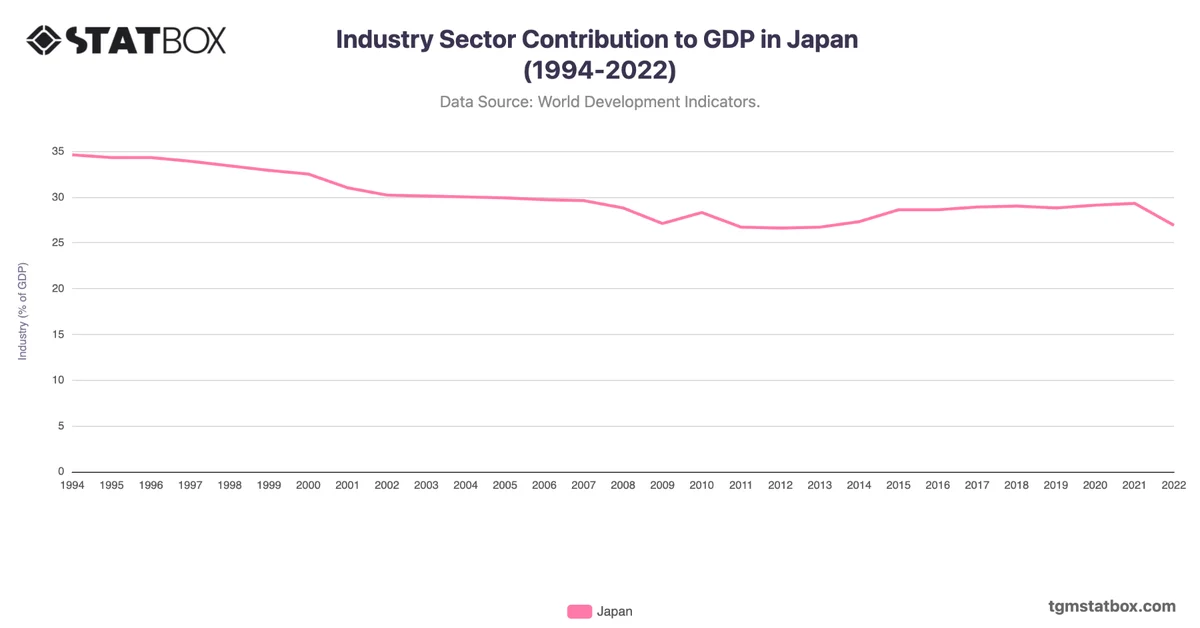
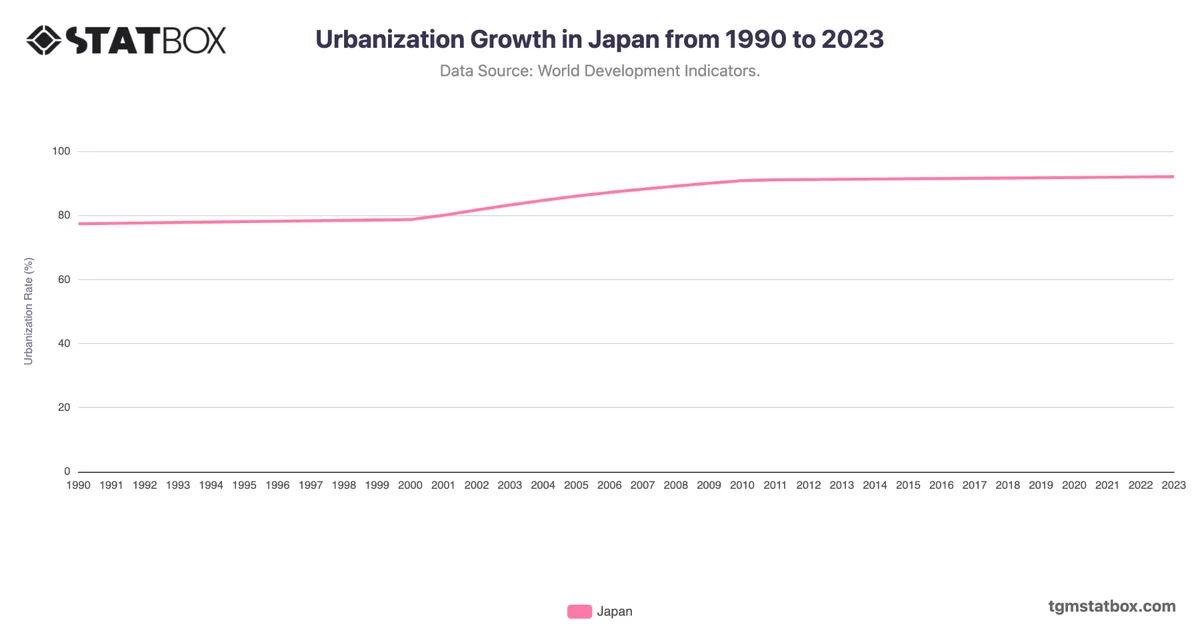
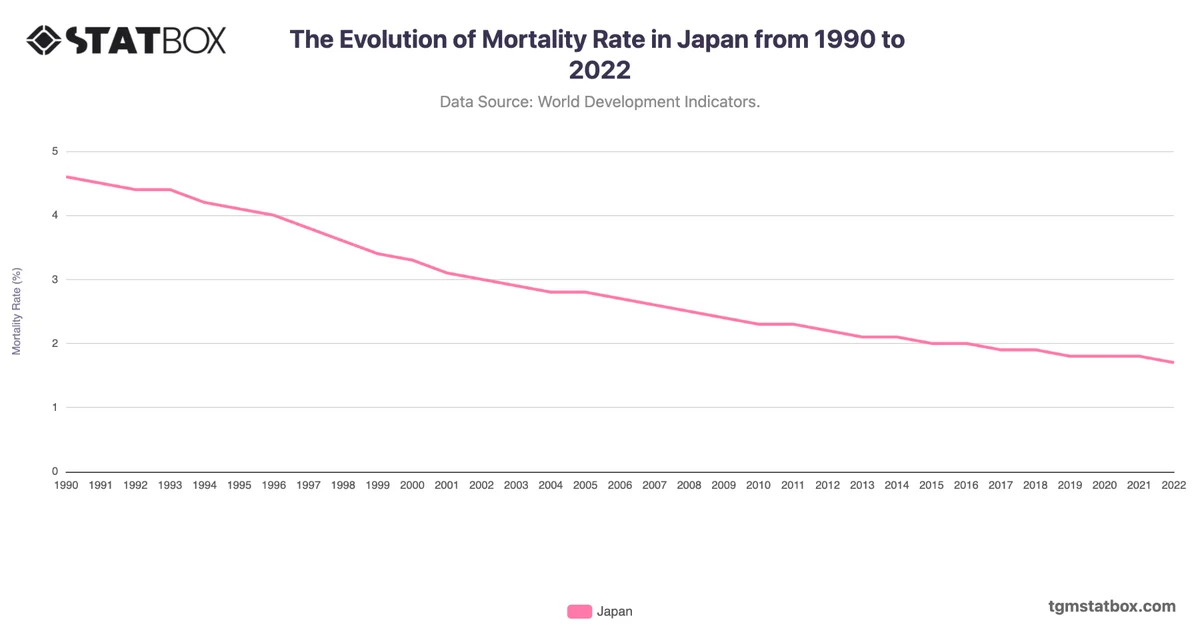
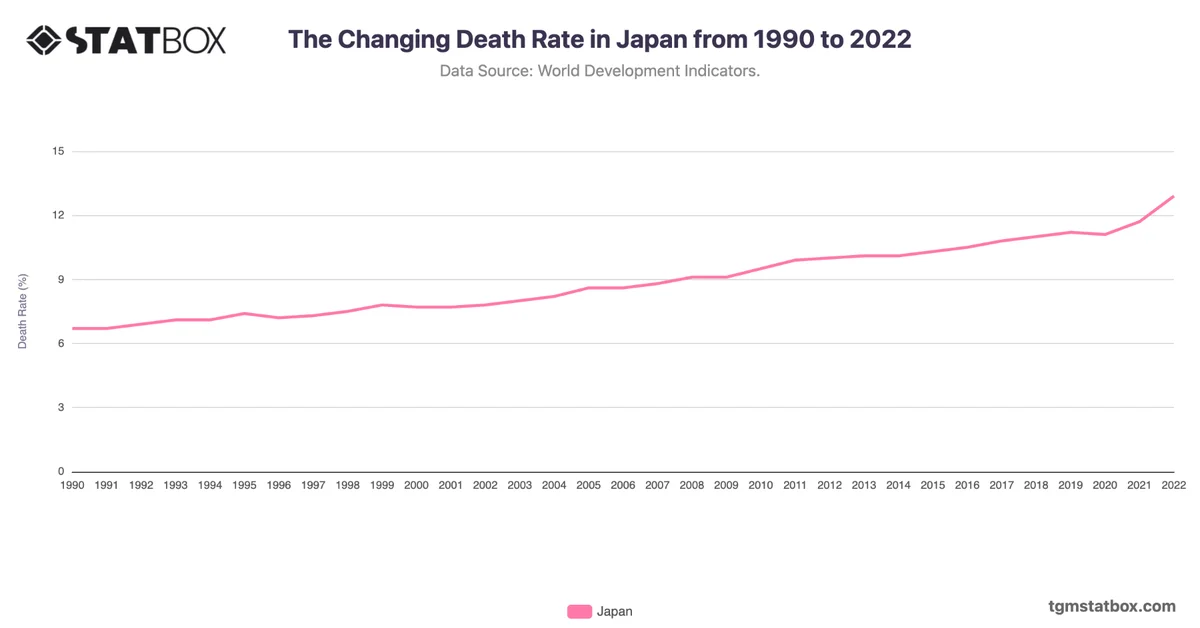
Discover additional trends and data on Japan’s urbanization trend, Japan’s industry sector GDP share, Japan’s mortality rate trend.