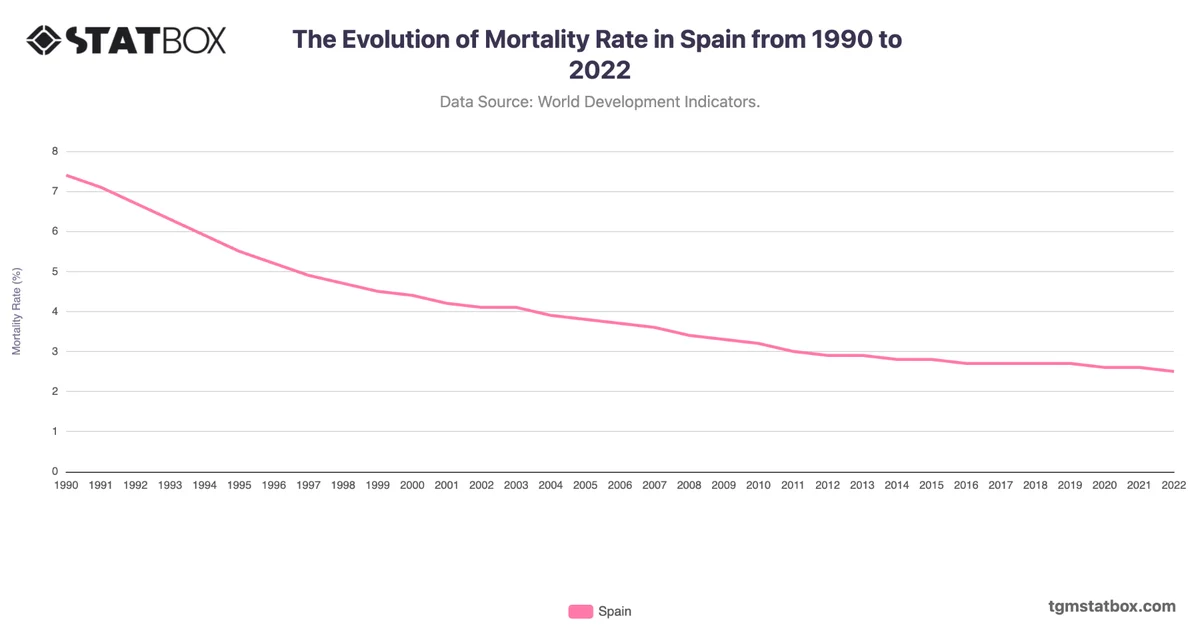
In Spain, the death rate has fluctuated over the years, peaking in the late 1990s and early 2000s, with a high of 9.2 deaths per 1,000 people in 1999. This period coincided with Spain's aging population, which has steadily increased since the 1970s. The improvement in medical care and disease prevention efforts has since led to a gradual decline in the death rate, with a notable dip in the mid-2000s.
The most significant rise occurred in 2020, with the death rate jumping to 10.4 per 1,000 people, a spike largely attributed to the COVID-19 pandemic. As one of the European countries hardest hit by the virus, Spain saw a sharp increase in mortality. In 2021 and 2022, the death rate remained high, at 9.5 and 9.7, respectively, reflecting the lasting impact of the pandemic and the challenges of an aging population. Despite this, Spain's health system continues to work toward addressing these demographic shifts, with a focus on elderly care and chronic disease management.
The most significant rise occurred in 2020, with the death rate jumping to 10.4 per 1,000 people, a spike largely attributed to the COVID-19 pandemic. As one of the European countries hardest hit by the virus, Spain saw a sharp increase in mortality. In 2021 and 2022, the death rate remained high, at 9.5 and 9.7, respectively, reflecting the lasting impact of the pandemic and the challenges of an aging population. Despite this, Spain's health system continues to work toward addressing these demographic shifts, with a focus on elderly care and chronic disease management.
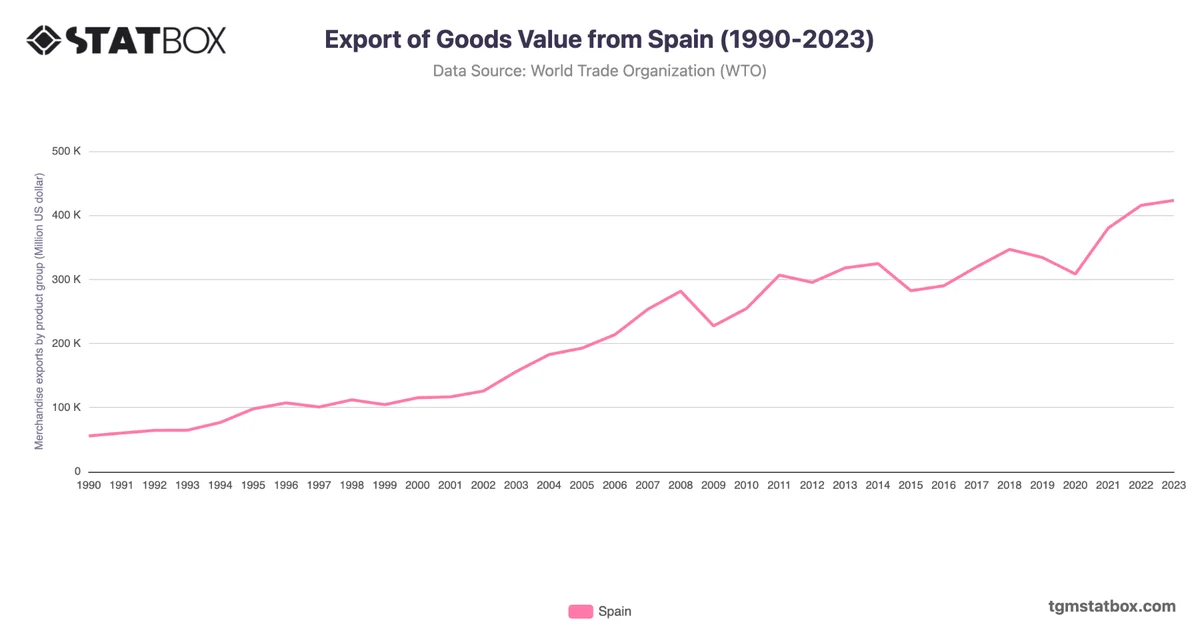
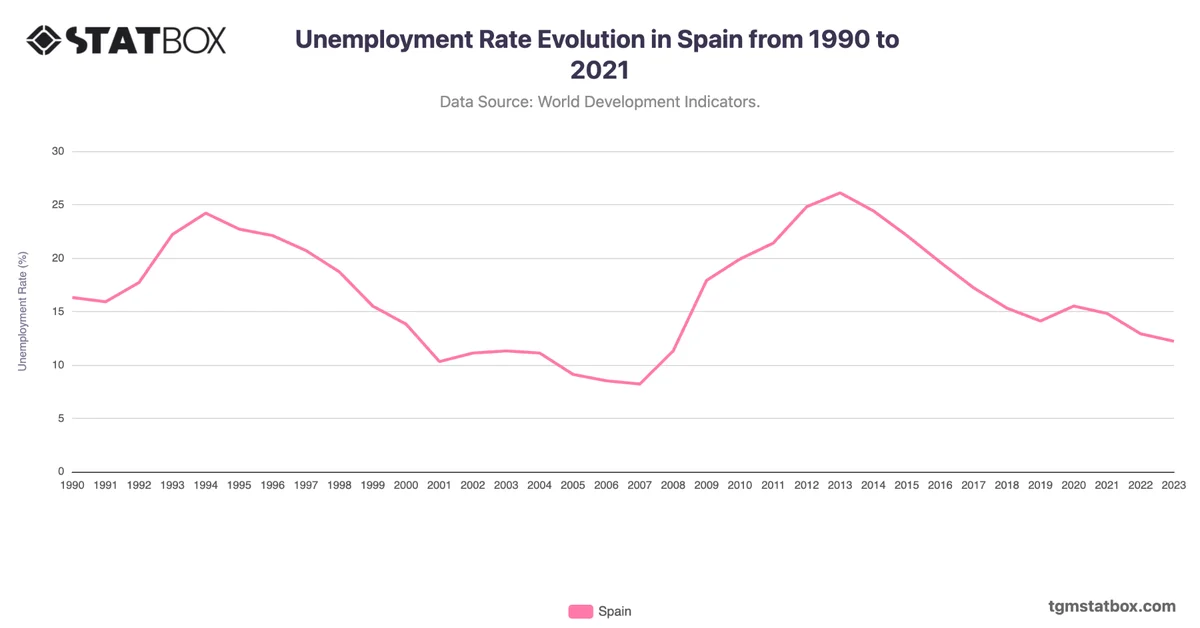
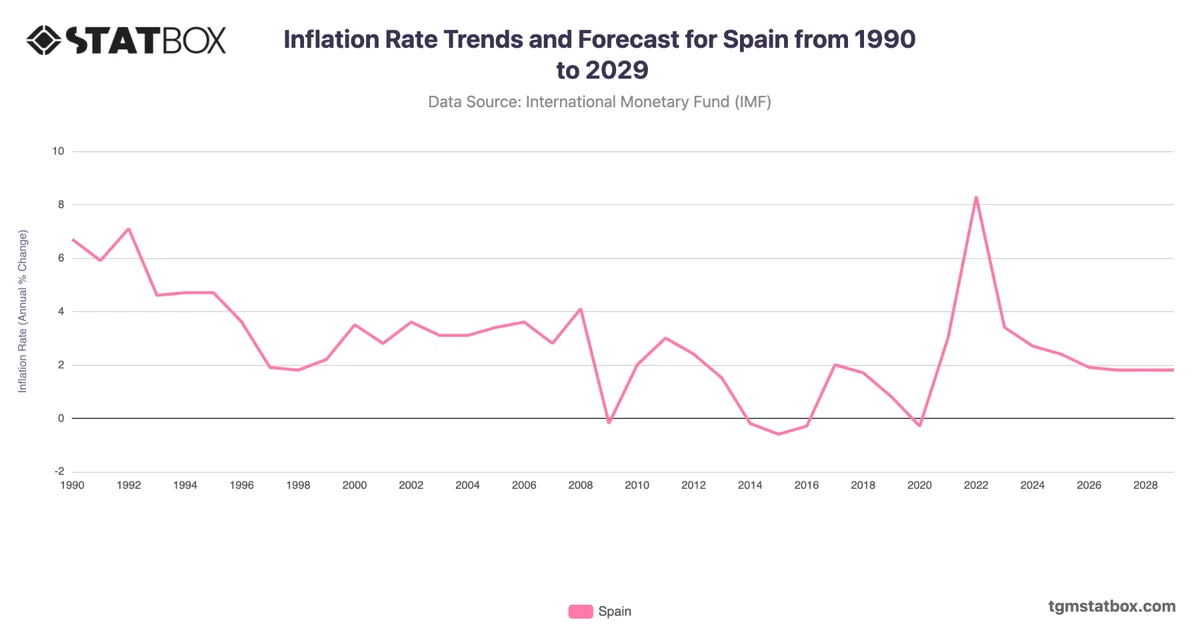
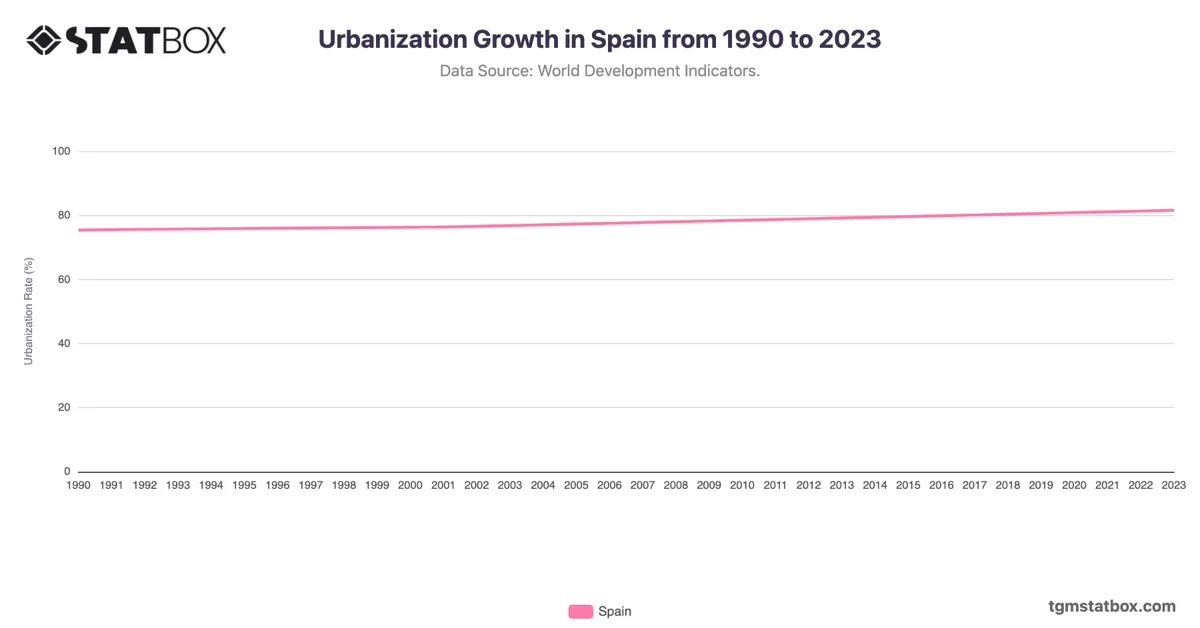
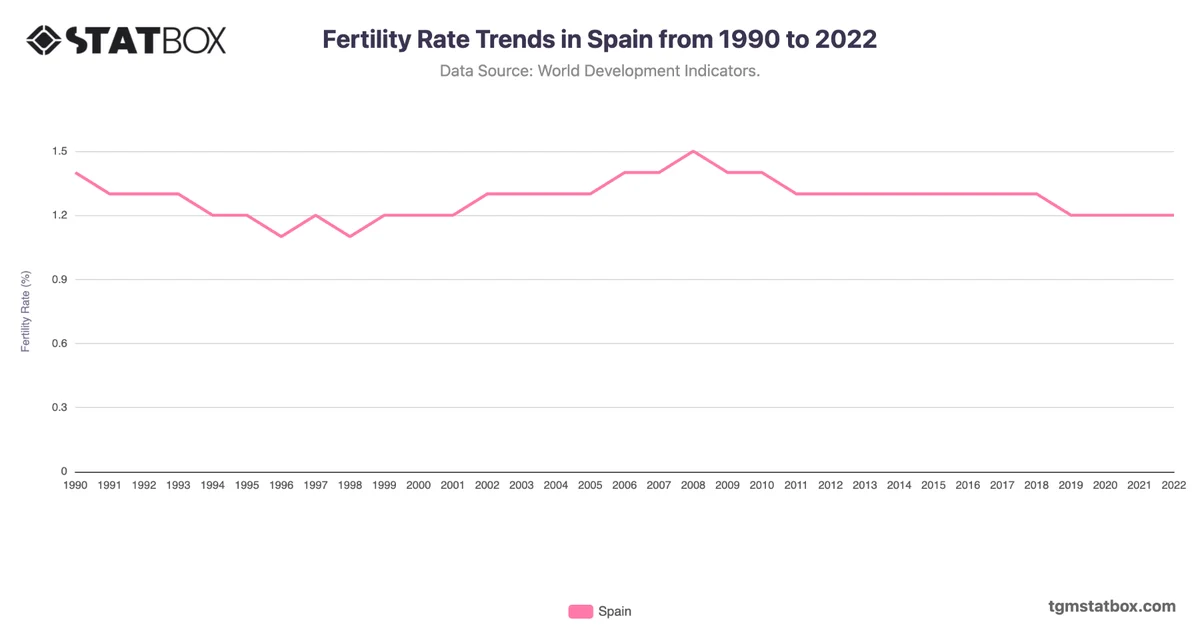
Explore related charts to gain a better understanding of Spain’s fertility rate trends, Spain’s mortality rate trend, Spain’s population count.