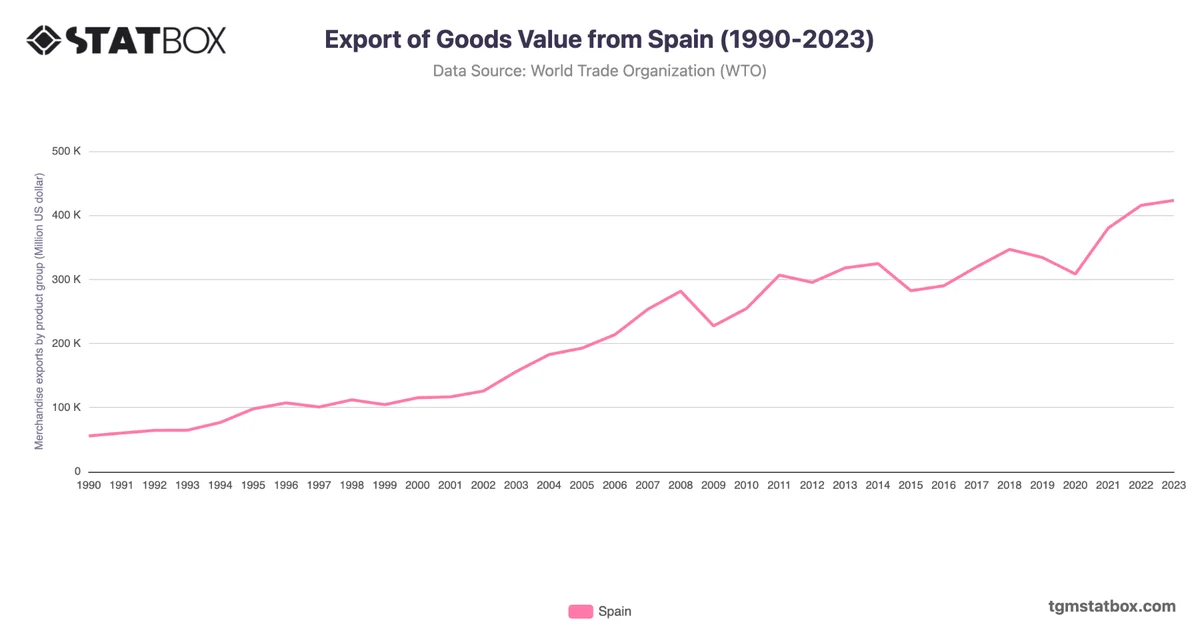
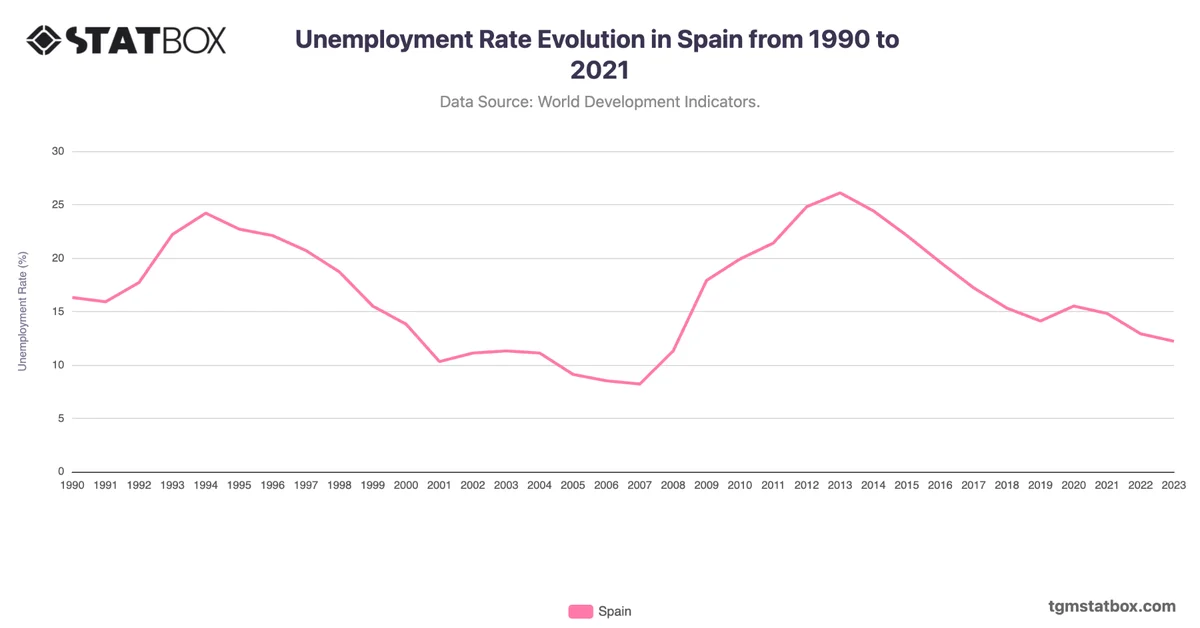
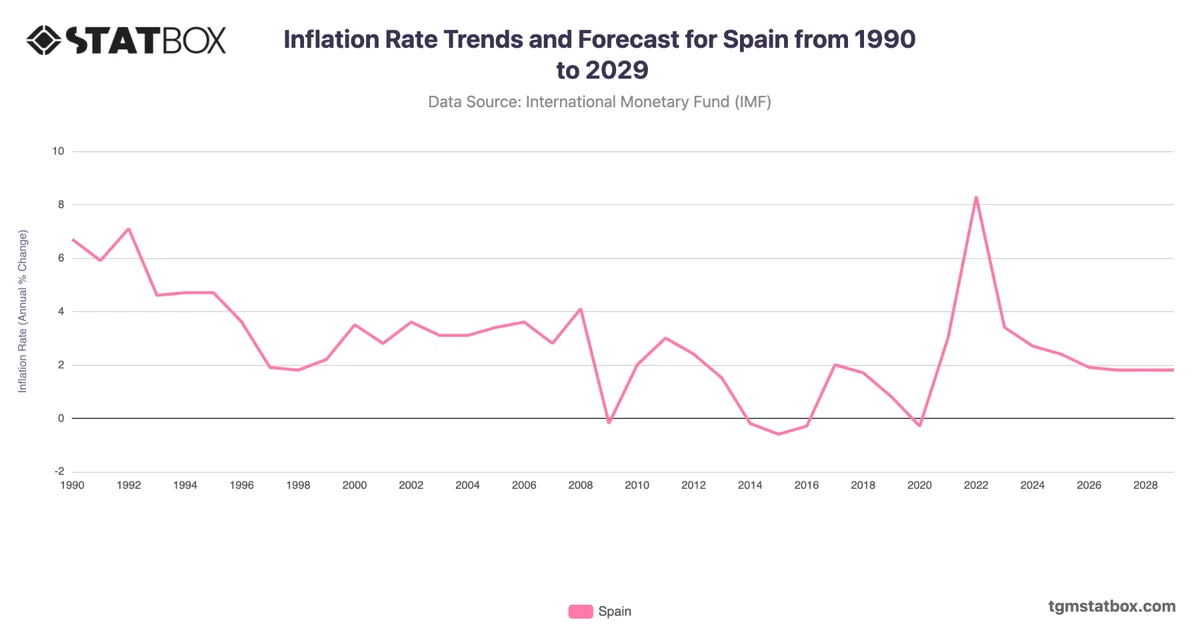
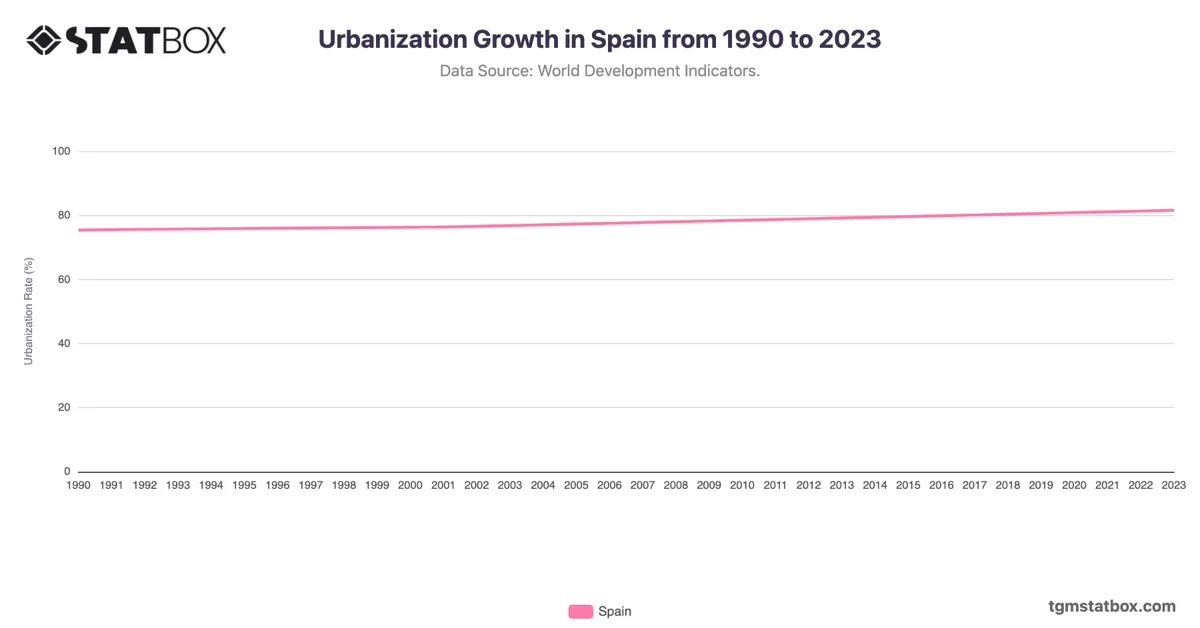
Spain's fiscal history reflects the impact of economic cycles and crises. In the early 1990s, deficits widened to -6.9% in 1993 due to a deep recession. Significant fiscal consolidation in the late 1990s reduced the deficit to -1.2% by 2000, supported by economic growth and Spain’s preparation for Eurozone entry.
The 2008 financial crisis led to unprecedented deficits, peaking at -11.6% in 2012, as Spain implemented stimulus measures and dealt with a banking crisis. Gradual recovery followed, but the COVID-19 pandemic pushed the deficit to -10.1% in 2020. Forecasts for 2029 suggest stabilization at -3.0%, indicating challenges in achieving further fiscal improvement.
The 2008 financial crisis led to unprecedented deficits, peaking at -11.6% in 2012, as Spain implemented stimulus measures and dealt with a banking crisis. Gradual recovery followed, but the COVID-19 pandemic pushed the deficit to -10.1% in 2020. Forecasts for 2029 suggest stabilization at -3.0%, indicating challenges in achieving further fiscal improvement.
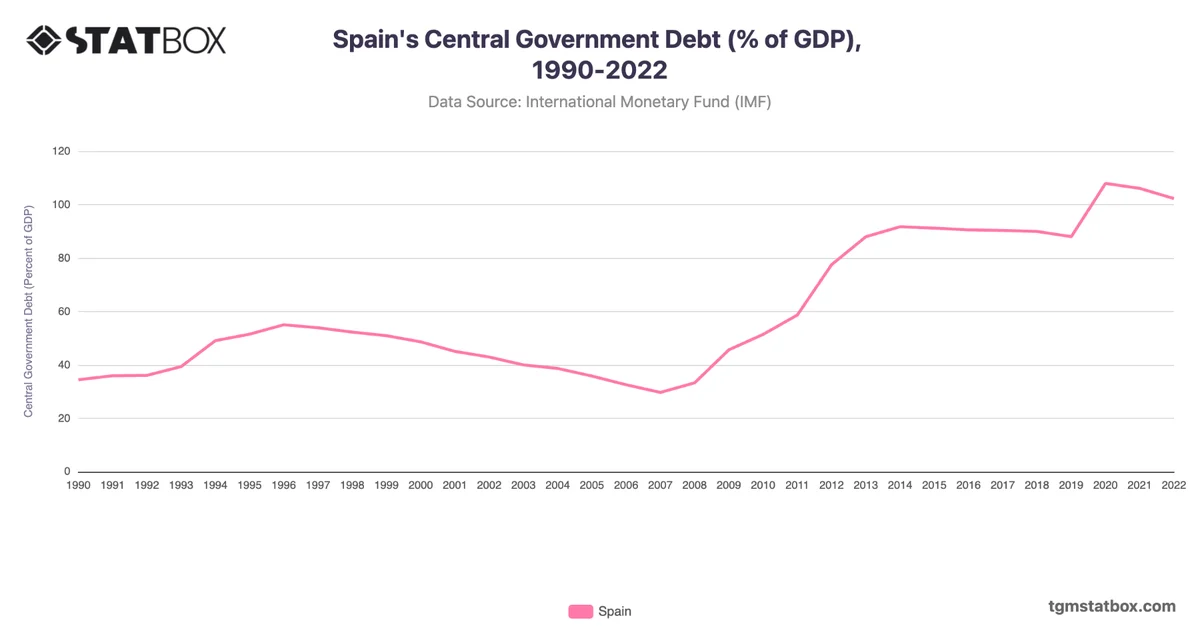
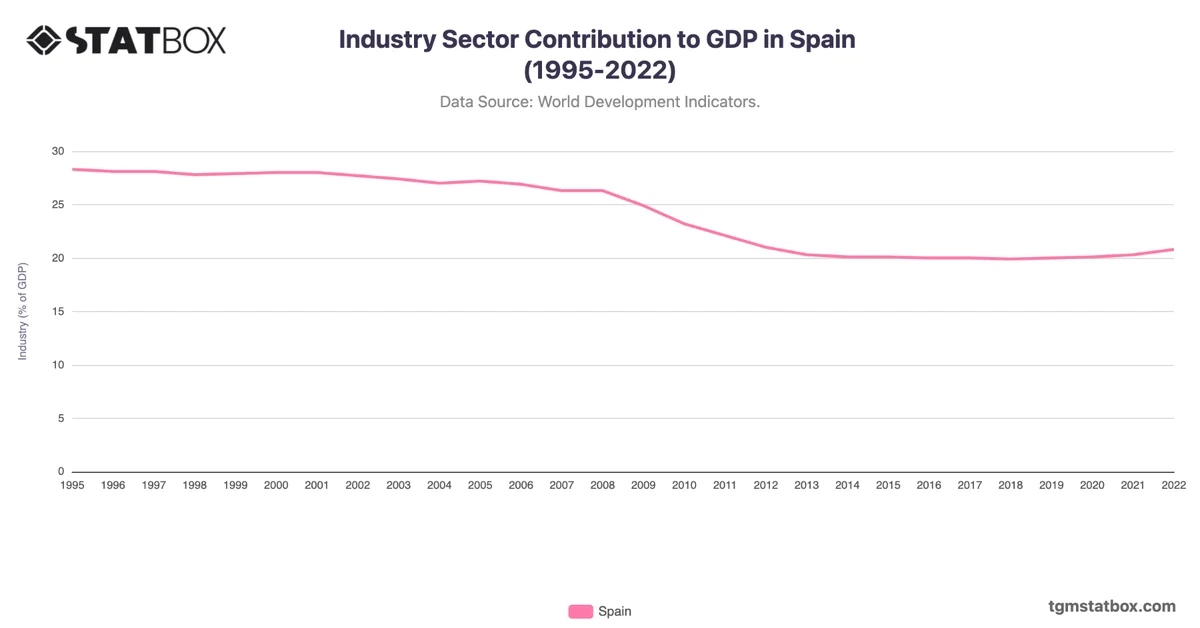
For additional information, visit statistics on Spain’s yearly GDP growth rate, Spain’s government debt to GDP ratio, Spain’s manufacturing share in GDP.