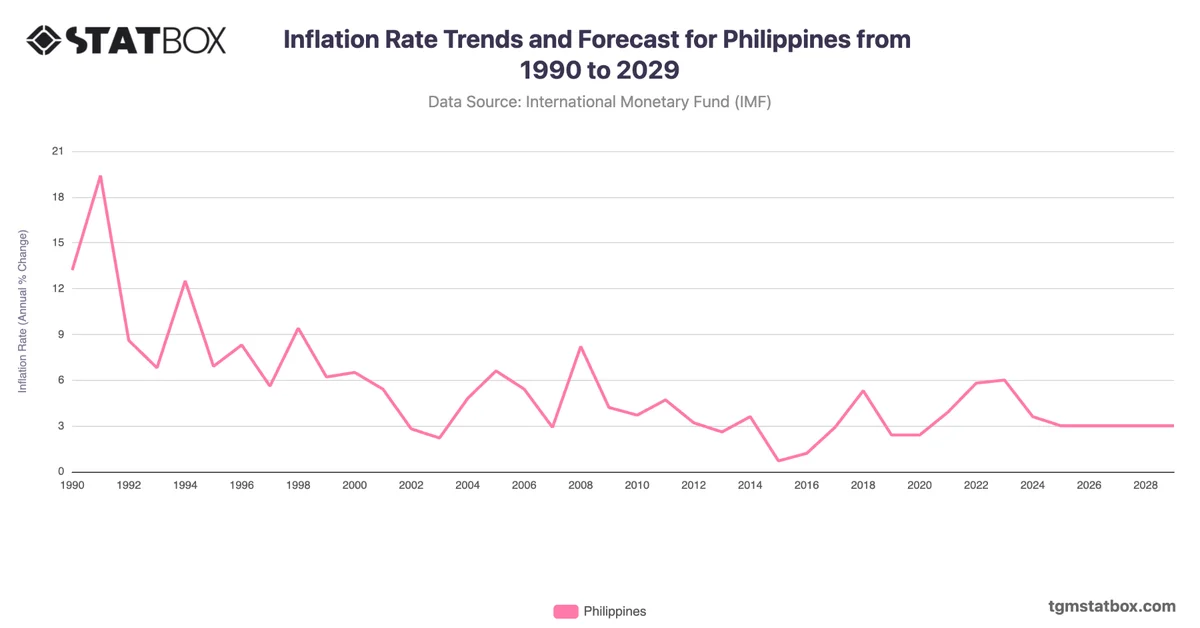
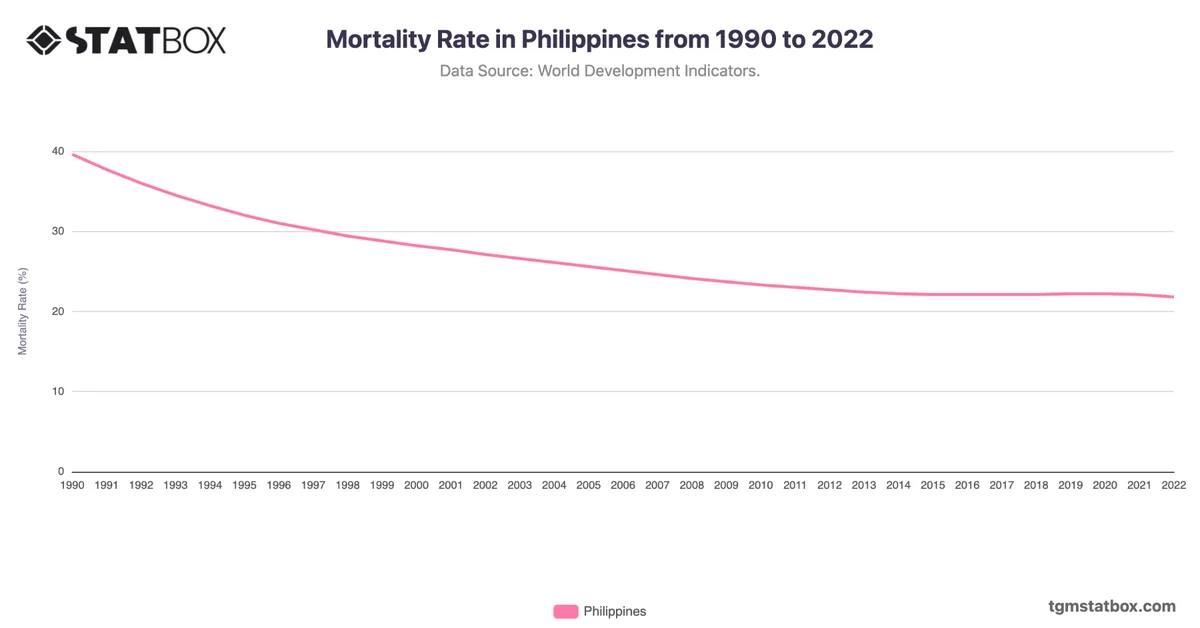
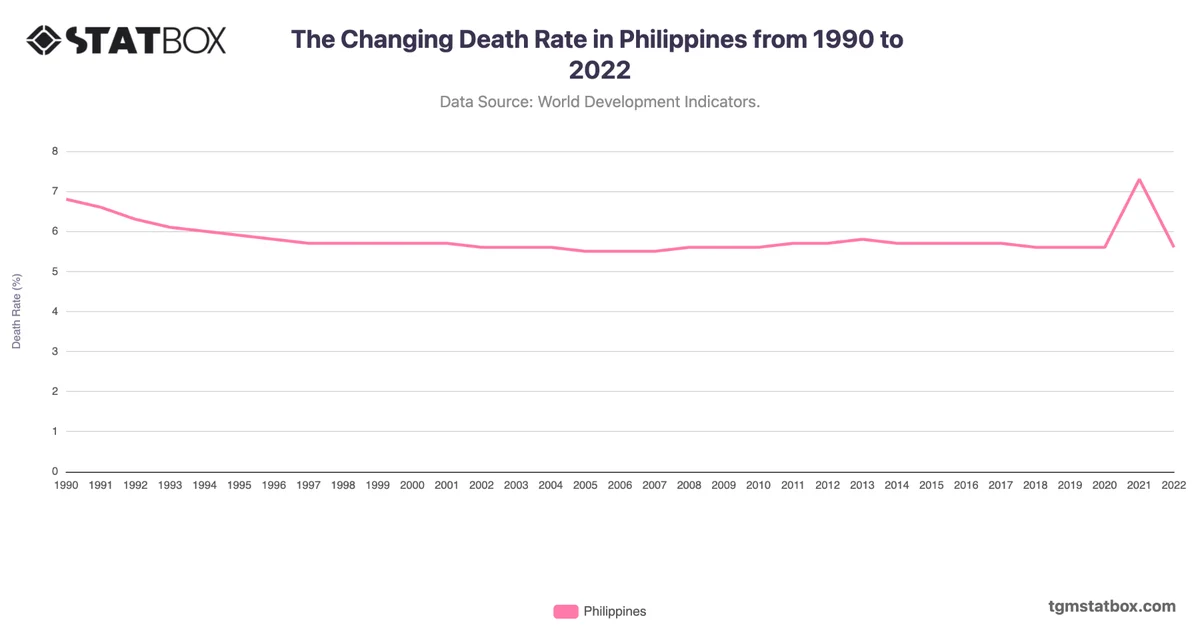
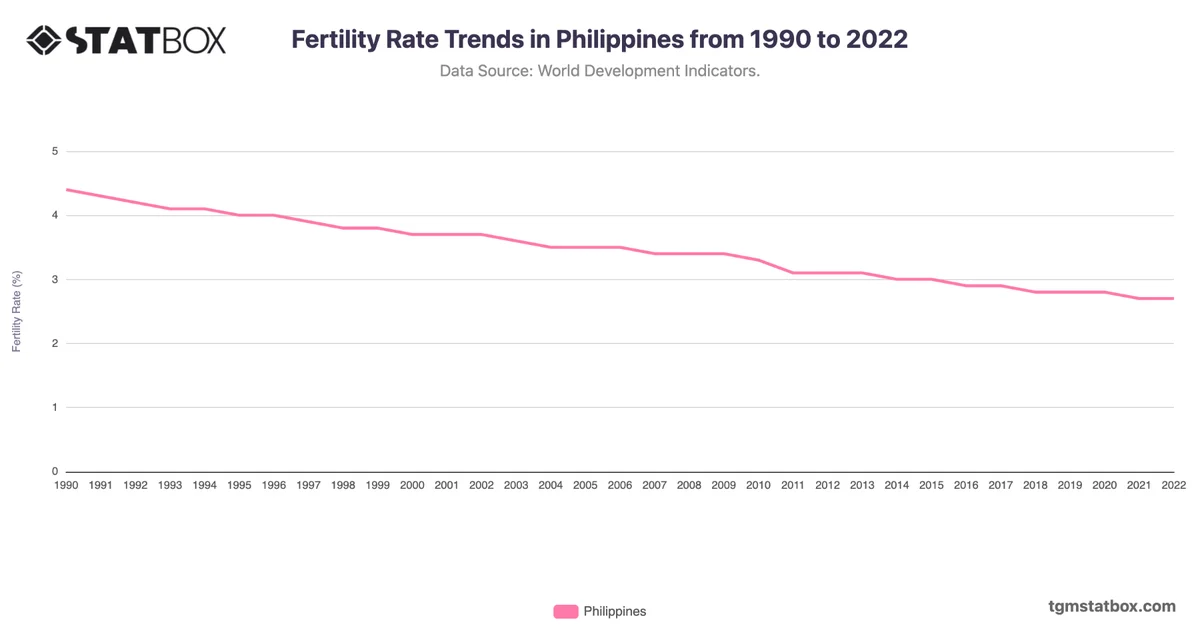
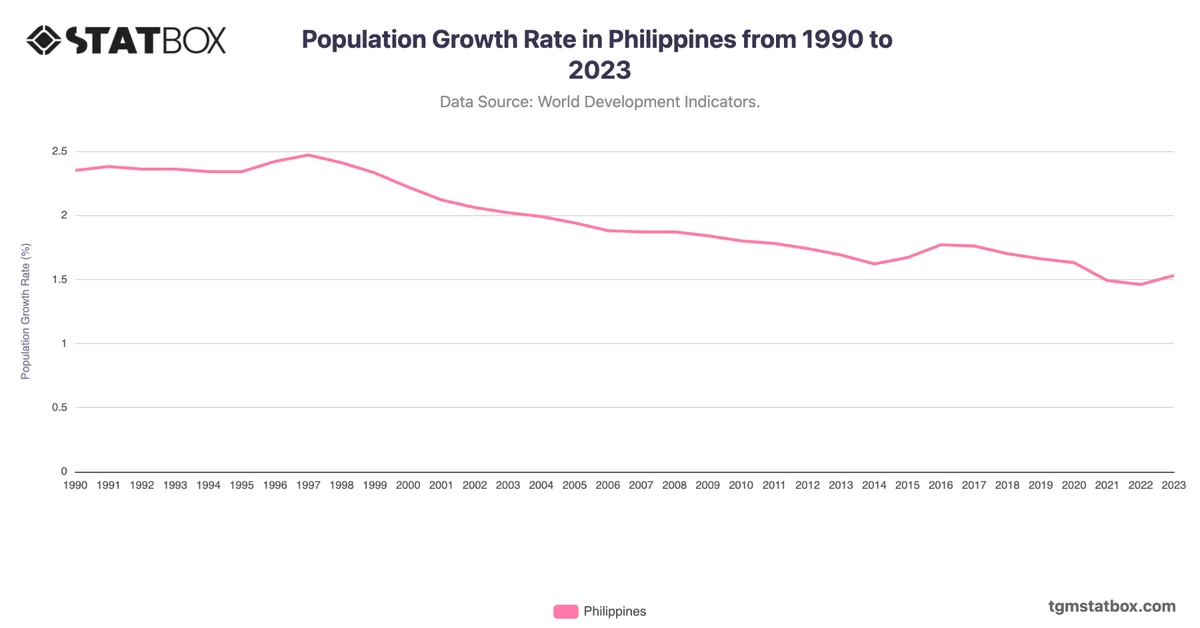
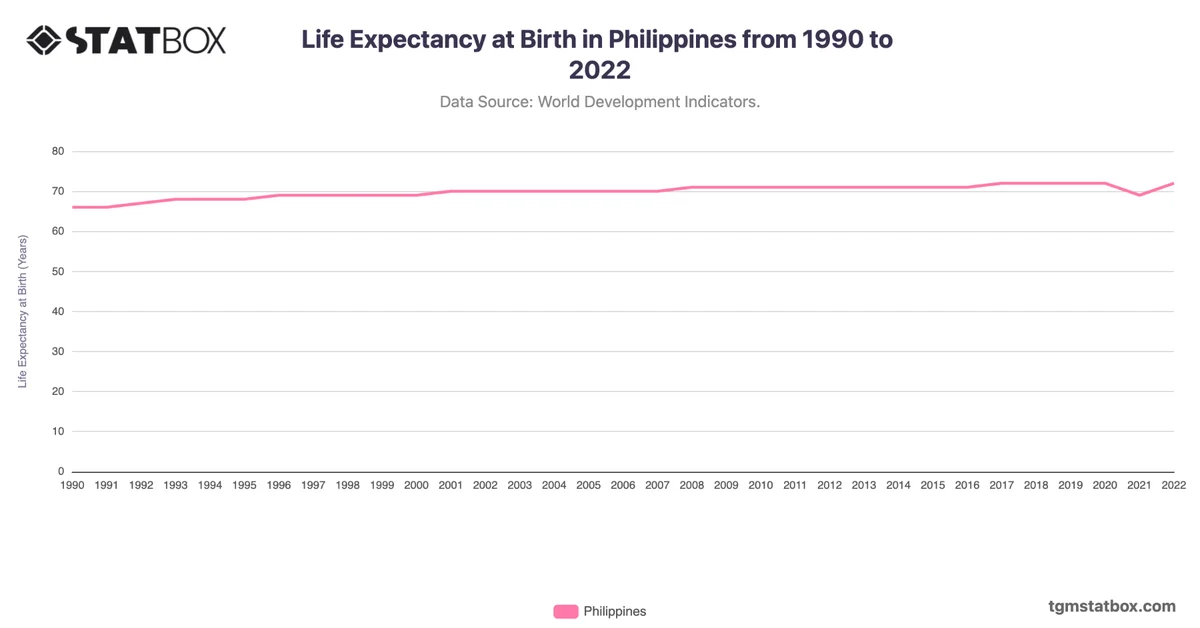
The Philippines’ median age rises from 19.0 in 2000 to a projected 28.2 by 2030. Between 2000 and 2010, the median age increases to 20.9, influenced by urbanization and improvements in healthcare that support higher life expectancy. Although the Philippines maintains a youthful population, the gradual increase reflects changing family dynamics in urban areas.
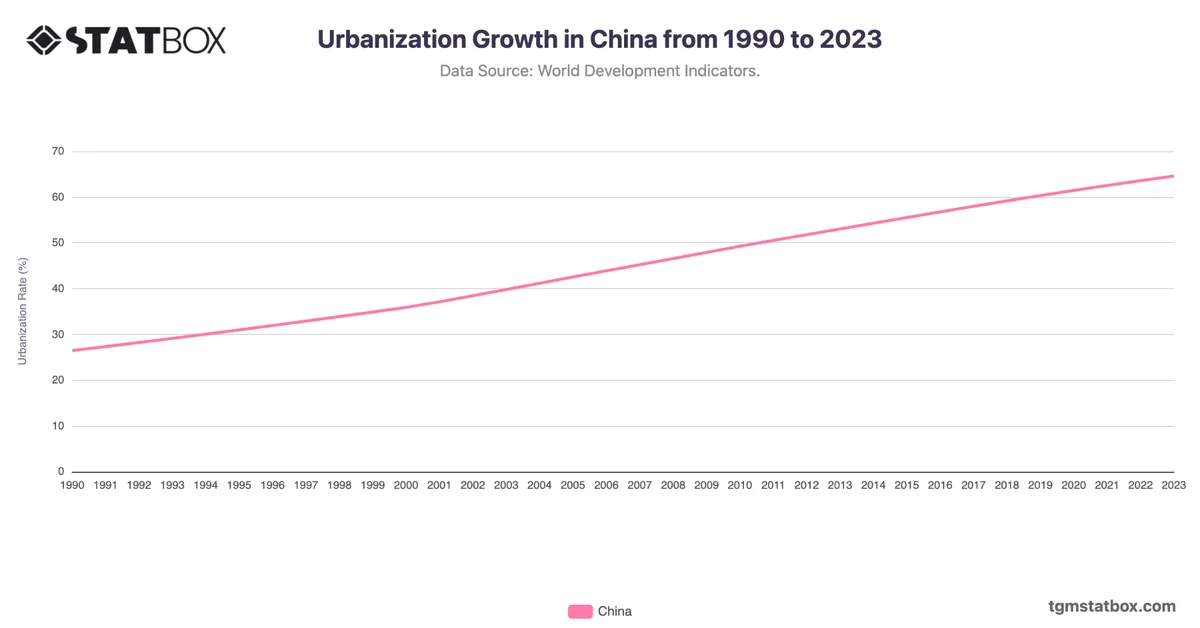
By 2020, the median age reaches 24.1, as more Filipinos move to urban centers, where lower birth rates are common. This trend continues, with the median age expected to reach 28.2 by 2030. The shift mirrors broader regional trends as urbanization impacts family size and lifestyle, gradually increasing the median age over time.
By 2020, the median age reaches 24.1, as more Filipinos move to urban centers, where lower birth rates are common. This trend continues, with the median age expected to reach 28.2 by 2030. The shift mirrors broader regional trends as urbanization impacts family size and lifestyle, gradually increasing the median age over time.
For additional information, visit statistics on Philippines’ annual GDP growth rate, Philippines death rate trend, Philippines’ population data.