Chart

Historical Overview of Military Personnel in South Africa (1990-2016)

Historical Overview of Military Personnel in South Africa (1990-2016)

Share the statistic on social media channels or embed the statistic in your website using "Embed Code", where available.

Share chart

Embed chart
Select Citation

Cite this statistic and select one of the following formats: APA, Chicago, Harvard, MLA & Bluebook


  • APA
  • Chicago
  • Harvard
  • MLA
  • Bluebook
  • IEEE
TGM StatBox. (2024). Historical Overview of Military Personnel in South Africa (1990-2016). TGM StatBox.
Insights

Key Takeaways

South Africa’s military personnel numbers reflect the country’s political transformation and strategic shifts. In 1990, the military numbered 85,000 but steadily declined to 75,000 by 1995 as apartheid ended and the South African National Defence Force (SANDF) was formed to integrate former liberation forces. Further reductions to 56,000 by 2003 were driven by budgetary constraints and a focus on restructuring.

The period from 2007 to 2016 saw stabilization at around 62,000, with a slight rise to 67,000 by 2016. This reflected renewed investment in peacekeeping operations across Africa and increased participation in multinational missions.

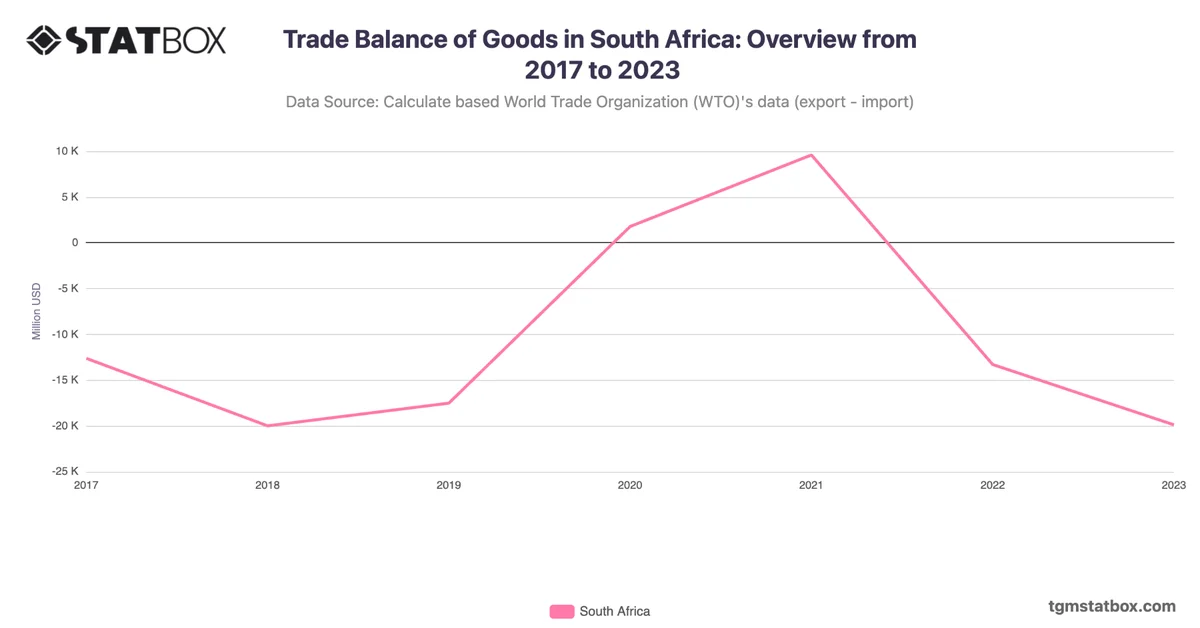
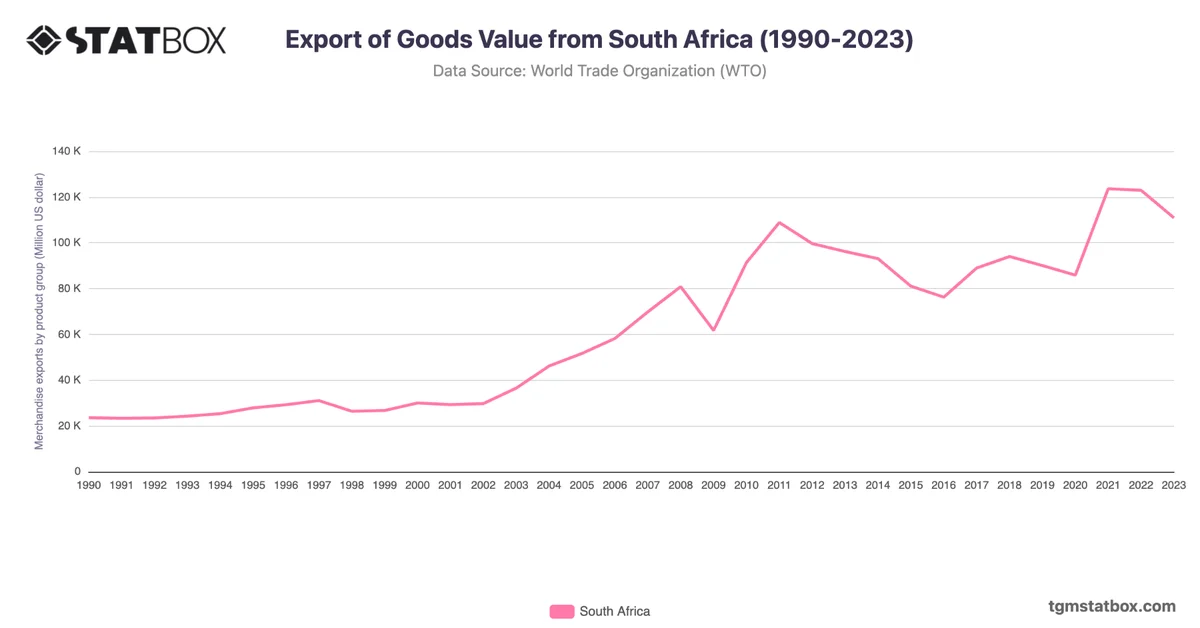
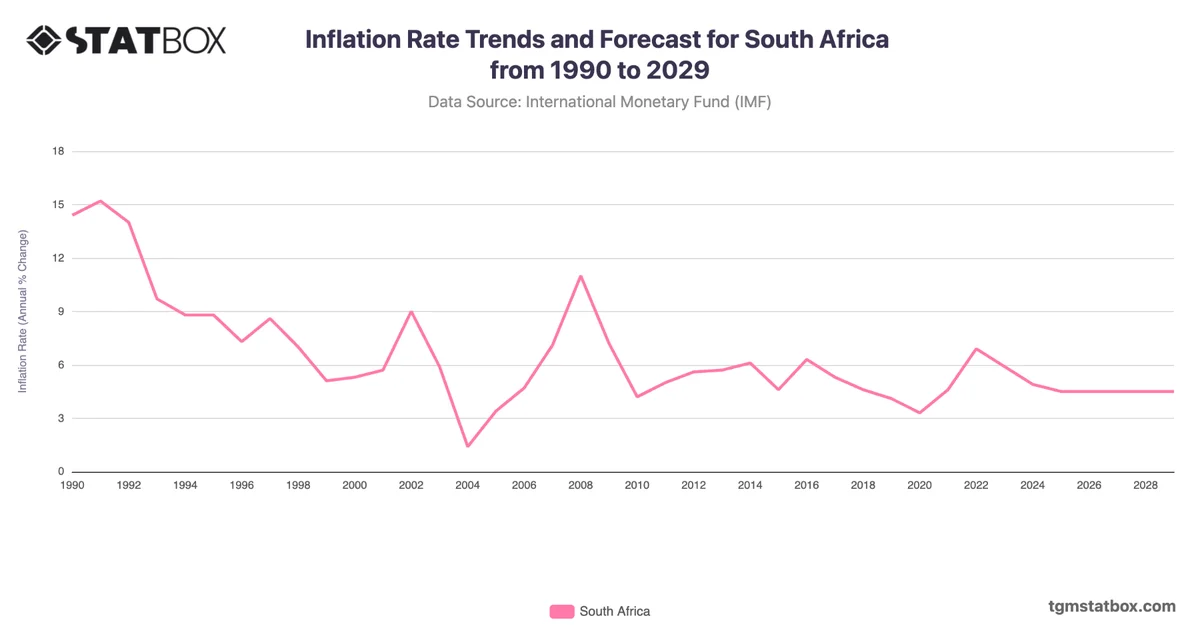
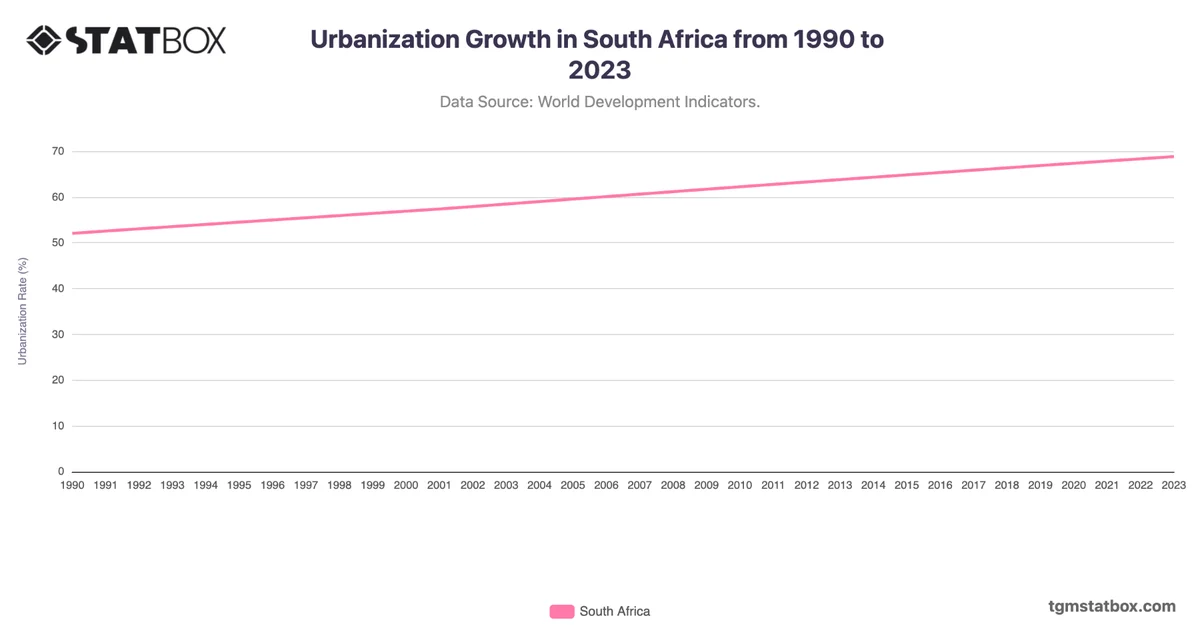
For a deeper dive into the topic, explore agriculture’s share in South Africa’s GDP, military personnel share in South Africa’s population, South Africa’s population size.
AI-powered chart insight: This summary is automatically generated to help you understand the chart at a glance. It is intended as an overview; view the full chart and underlying data for complete context.

Related report

Would You Like to Know More?
Explore Our South Africa Report

Charts library

Further Recommended South Africa Statistics

Statbox vector
The briefing
New data, in your inbox

Consumer insights, data stories and product updates as we publish them. No other mail, and one click to leave.

Roughly two emails a month.

Research services
Have a question our newsroom hasn't answered? Ask it directly.

Our team can run the study behind the story — in 60+ countries, on your question, with the data belonging to you.