Chart

Military Personnel as a Percentage of Population in Ukraine, 1987-2016

Military Personnel as a Percentage of Population in Ukraine, 1987-2016

Share the statistic on social media channels or embed the statistic in your website using "Embed Code", where available.

Share chart

Embed chart
Select Citation

Cite this statistic and select one of the following formats: APA, Chicago, Harvard, MLA & Bluebook


  • APA
  • Chicago
  • Harvard
  • MLA
  • Bluebook
  • IEEE
TGM StatBox. (2024). Military Personnel as a Percentage of Population in Ukraine, 1987-2016. TGM StatBox.
Insights

Key Takeaways

Ukraine’s military personnel as a percentage of the population saw notable shifts from 1992 to 2016. Following independence, it rose to 1.0% in 1993 and 1994, highlighting Ukraine's initial focus on establishing a robust defense capacity. This rate then declined gradually to 0.9% in 1995 and further to 0.7% by 1998, reflecting strategic adjustments as Ukraine stabilized its defense needs. The trend continued downward, reaching 0.3% by 2008, aligning with economic challenges and budget constraints impacting military resources. However, in 2016, the rate increased to 0.5%, likely in response to heightened security needs amid regional tensions, emphasizing Ukraine's renewed focus on military strength to address evolving geopolitical pressures.

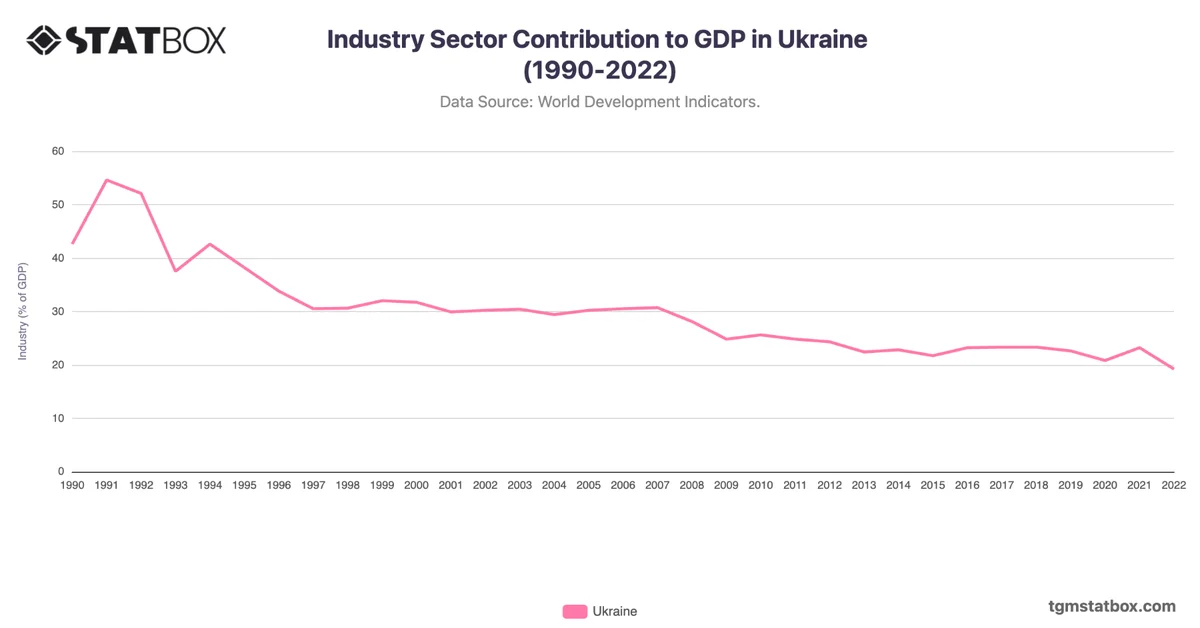
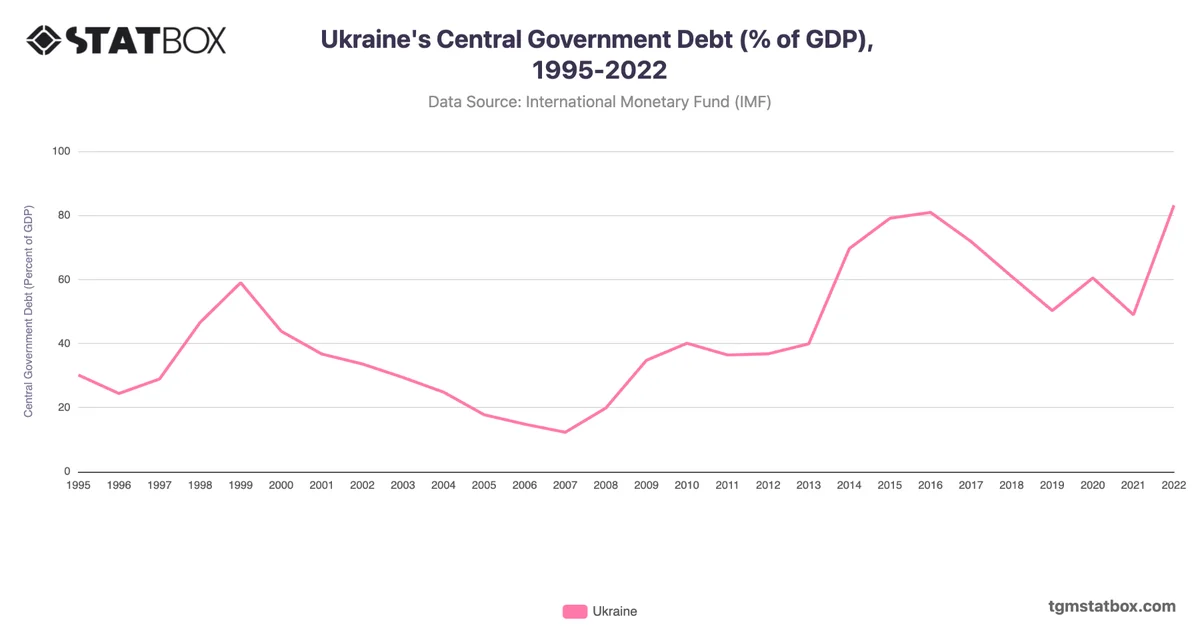
Explore related charts to gain a better understanding of Ukrainian GDP figures by year, Ukraine's agriculture’s share in GDP, Industry sector’s share in Ukraine’s GDP.

AI-powered chart insight: This summary is automatically generated to help you understand the chart at a glance. It is intended as an overview; view the full chart and underlying data for complete context.

Charts library

Further Recommended Ukraine Statistics

Statbox vector
The briefing
New data, in your inbox

Consumer insights, data stories and product updates as we publish them. No other mail, and one click to leave.

Roughly two emails a month.

Research services
Have a question our newsroom hasn't answered? Ask it directly.

Our team can run the study behind the story — in 60+ countries, on your question, with the data belonging to you.