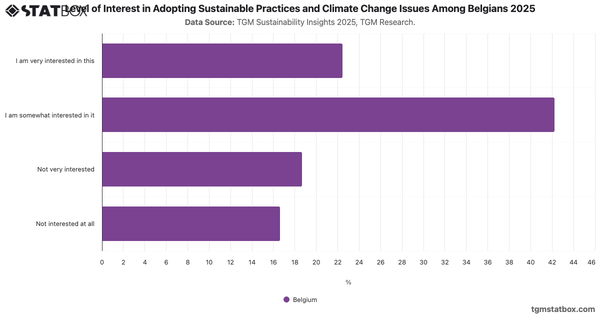
22% of Belgians express high interest in sustainable practices.
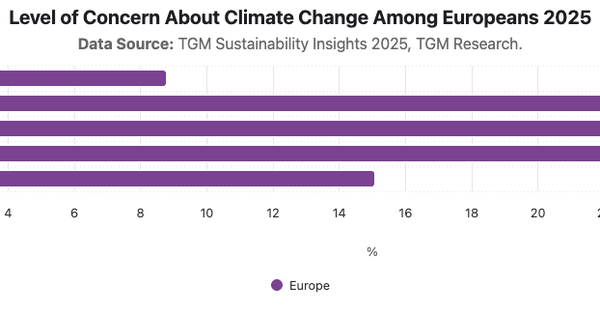
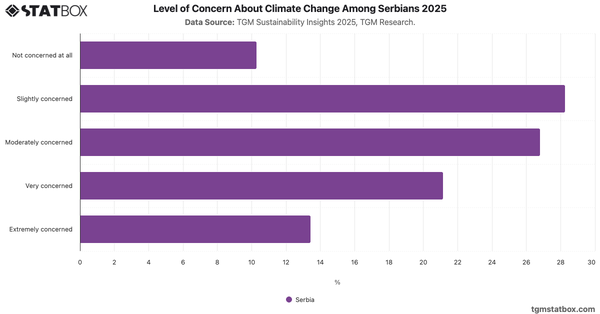
Only 11.9% are extremely concerned about climate change.
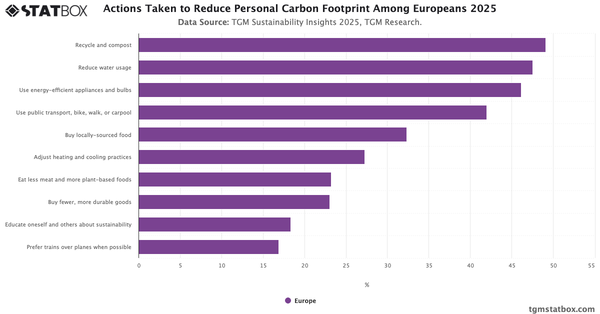
Recycling and composting are prioritized by over half of Belgians.
Many cite cost as a major barrier to a sustainable lifestyle.
There's limited awareness of the 3R concept in Belgium.


Belgium Sustainability Insights Report 2024
Explore the latest Belgium insights on sustainability with TGM’s 2024 report series. Access data on behaviors, challenges, and motivations across 30+ markets.
Go to report
In Belgium, around two-thirds express at least some interest in sustainable living, but intensity is limited. Most say they feel only moderate or slight concern about climate change, which often leads to small, low-cost changes rather than bold or high-investment shifts in sustainable behaviors.
Nearly half of Belgians (48%) point to the high cost of sustainable products as the biggest barrier to greener living. Time constraints, limited public transport, and the lack of affordable, eco-friendly options also make change harder. Belgium’s energy transition tells the story well—solar panels remain an investment many households can’t afford upfront, despite subsidies.
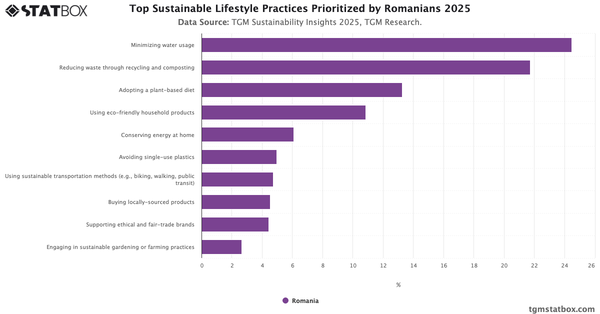
With only moderate concern and cost barriers in play, Belgians tend to focus on practical, low-cost steps. Recycling and composting (52%), saving water (46%), using energy-efficient appliances (43%), and opting for public transport or cycling (35%) are the most common actions. These habits are cheap, practical, and fit into daily life. But when the changes require larger investments or cultural shifts like cutting back on meat or installing solar panels adoption falls. Belgium embraces the low-hanging fruit, but struggles with the high branches.
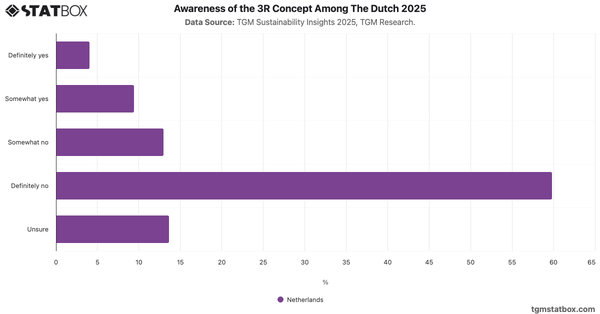
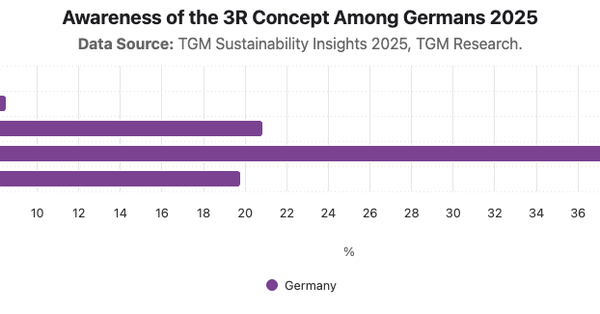
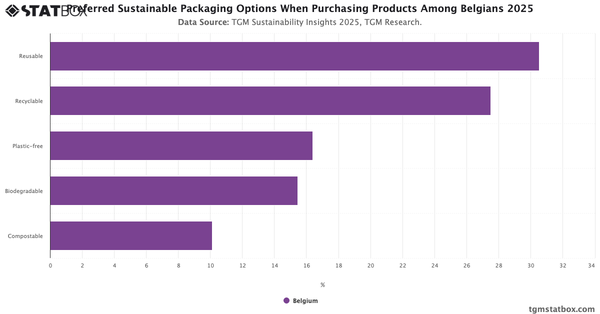
Nearly half of Belgians say they’ve never heard of “Reduce, Reuse, Recycle.” Only 4% feel they fully understand the concept. Yet behavior suggests otherwise. Most are already recycling, cutting water waste, and finding ways to reuse. Awareness is lagging behind practice. The label is weak, but the instinct is strong. This gap suggests campaigns should skip the jargon and instead amplify what Belgians are already doing, making the next steps cheaper and more rewarding.
Belgium is stuck between awareness and transformation. Interest is high, deep concern is lower, and barriers remain stubborn. Still, the baseline habits are there: water conservation, recycling, energy efficiency. Build on these, make sustainable options more affordable, and amplify the sense of collective impact, and the hesitant middle could become the driving force behind Belgium’s green transition.
*Disclaimer: The information provided by TGM StatBox is intended for general informational purposes only. TGM StatBox does not assume liability for the completeness or accuracy of the information provided. Due to frequent updates, statistics may be more current than mentioned in the text. Please independently verify the information and consult experts as needed.




Connect with our expert team for immediate assistance or comprehensive market analysis. We are always ready to support your business needs.