Statistics library
Explore a wide range of consumer insights and statistics across industries. Discover charts on behaviors, preferences, attitudes, and market trends to find the data most relevant to your research and decision-making.
 Pro
Pro
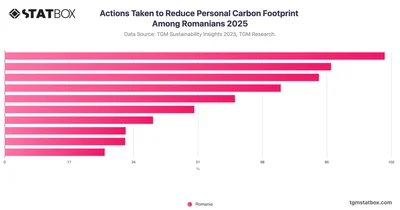
Recycling and composting are the most common actions Romanians take to lower their carbon footprint, with nearly 59% engaging in these practices.
 Pro
Pro
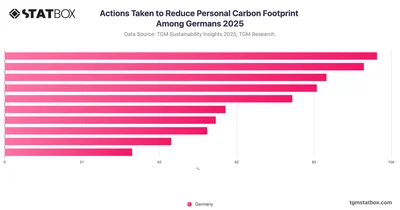
Climate action in Germany is less about bold gestures, more about steady, habitual steps, a reflection of both practicality and the structural limitations still shaping German consumer behavior.
 Pro
Pro
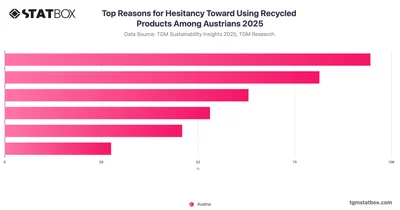
The top reason for hesitancy toward using recycled products among Austrians is limited availability or selection, cited by nearly 38% of respondents.
 Pro
Pro
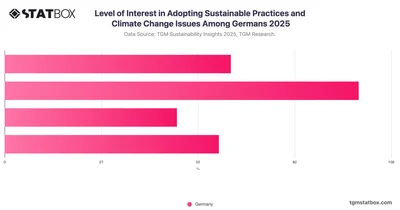
Germany, often seen as a pioneer in green policy, reveals a more divided reality at the individual level. 23.4% of respondents say they are very interested in sustainability and climate change.
 Pro
Pro
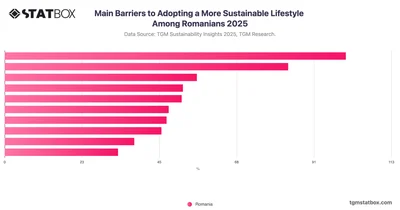
For Romanians, the main barriers to a more sustainable lifestyle are practical and financial. High costs of sustainable products (44%) and insufficient facilities lead the list.
 Pro
Pro
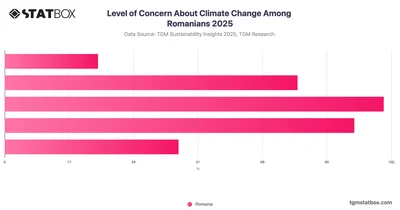
Climate concern in Romania is widespread but varies in depth. Nearly three in ten are moderately concerned, and a similar share are very concerned.
 Pro
Pro
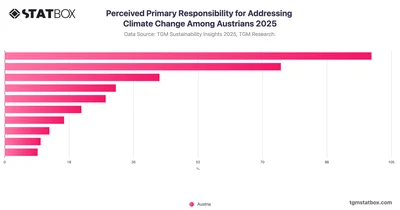
Austrians placed the greatest expectation on governments and policymakers, with 28% identifying them as the key actors.
 Pro
Pro
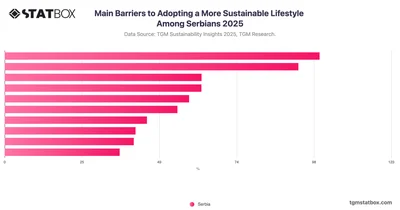
For many Serbians, the biggest barriers to sustainable living are lmited recycling or composting facilities (41%) and the high price of eco-friendly products.
 Pro
Pro
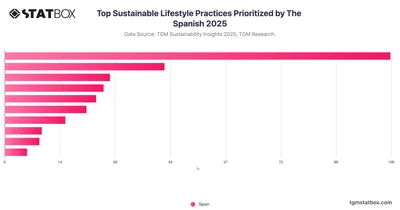
Sustainability priorities in Spain start with conserving water, a concern for over a third of respondents. Waste reduction through recycling and composting is the next most common.
 Pro
Pro
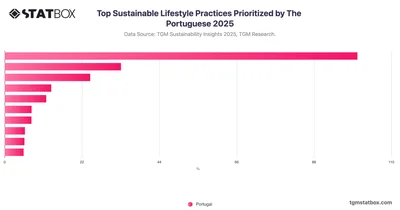
In Portugal, the most common way people bring sustainability into daily life is by saving water, nearly half of respondents make it their top priority.
 Pro
Pro
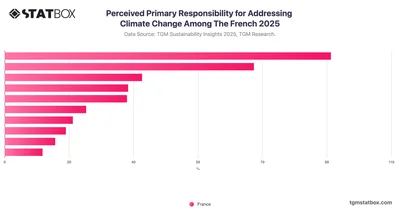
See TGM StatBox data on who people in France believe should take primary responsibility for addressing climate change, based on 2025 survey findings.
 Pro
Pro
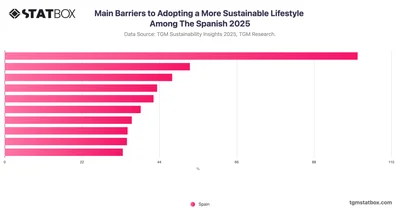
For many Spaniards, going green comes at a high price, nearly half cite the cost of sustainable products as their top barrier. Missing recycling facilities also holds people back.
 Pro
Pro
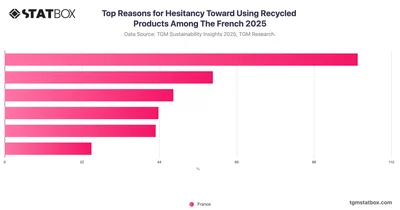
TGM StatBox data highlights the main reasons people in France feel hesitant about using products made from recycled materials, based on a 2025 survey.
 Pro
Pro
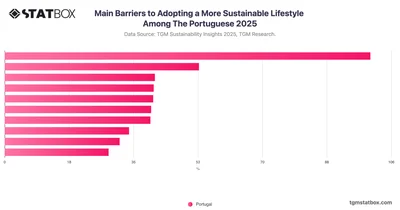
In Portugal, the biggest challenge to living more sustainably is cost. More than half of people say eco-friendly products are too expensive. Transport is another problem.
 Pro
Pro
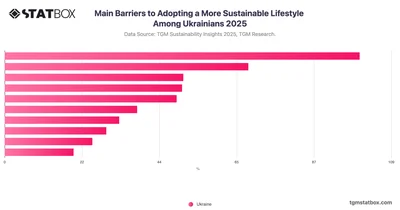
For many Ukrainians, the road to a more sustainable lifestyle is blocked by practical and financial hurdles. The biggest challenge is high costs, cited by 46% of respondents.
 Pro
Pro
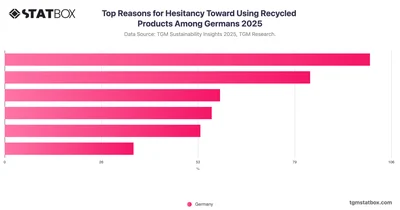
TGM StatBox data highlights the main reasons Germans feel hesitant about using products made from recycled materials, based on a 2025 survey.
 Pro
Pro
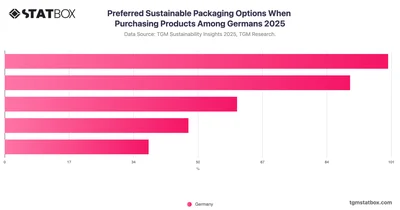
TGM StatBox data shows which sustainable packaging options Germans prefer when purchasing products, based on a 2025 consumer survey.
 Pro
Pro
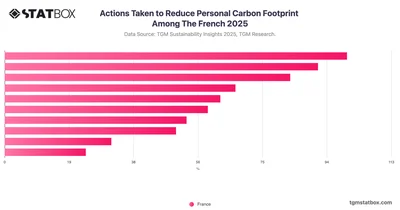
In France, over half of respondents actively reduce water usage, making it a top personal climate action that likely gained traction during recent national drought emergencies.
 Pro
Pro
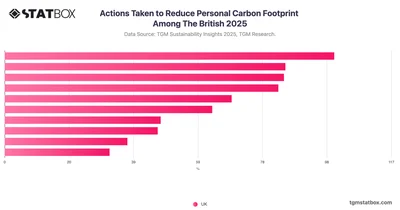
For many in the UK, reducing their carbon footprint starts at home. Recycling, saving water, and switching to energy-efficient appliances are the most common habits.
 Pro
Pro
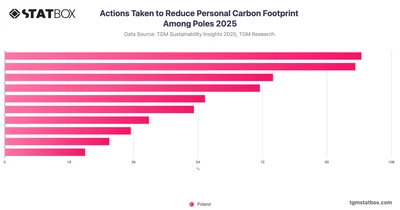
In Poland, the most common steps people take to cut their carbon footprint are practical, everyday actions. Topping the list is reducing water use (55%).
 Pro
Pro
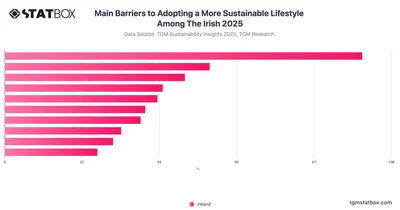
46.24% Irish cite high costs as their main barrier, reflecting frustration with premium-priced eco-goods and limited subsidies for green alternatives.
 Pro
Pro
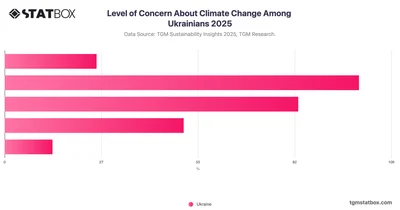
The largest share, about 41% of ukrianians, say they are somewhat interested, while a siginificant smaller group are very interested.
 Pro
Pro
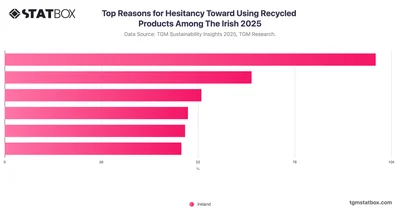
TGM StatBox data highlights the main reasons Irish consumers hesitate to use products made from recycled materials, based on a 2025 survey.
 Pro
Pro
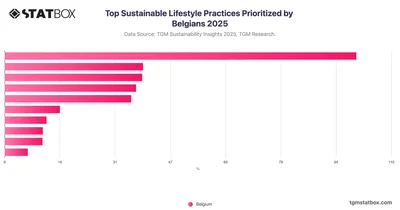
For Belgians, sustainability begins at the tap. 31.83% prioritize minimizing water usage, placing it well above other eco-conscious habits.
 Pro
Pro
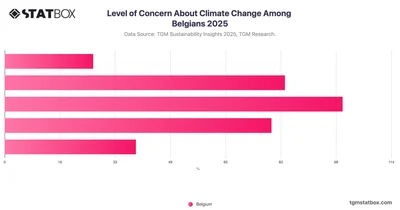
In Belgium, climate concern hovers in the midrange. Just 11.88% say they’re extremely concerned, while 24.15% are very concerned.
 Pro
Pro
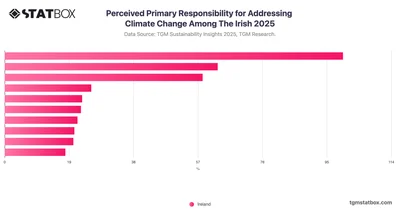
Find TGM StatBox data on who Irish consumers believe should take primary responsibility for addressing climate change, based on 2025 survey findings.
 Pro
Pro
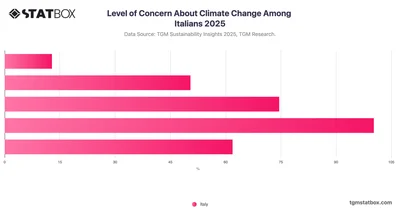
Climate change anxiety in Italy is not just a niche sentiment, it’s mainstream. A combined 54% of Italians fall into the “very concerned” (33%) categories.
 Pro
Pro
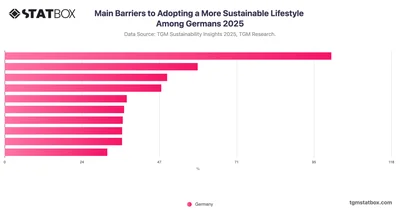
Germany’s path to greener living isn’t blocked by disbelief, it’s stalled by cost, control, and infrastructure that hasn’t yet caught up with intent.
 Pro
Pro
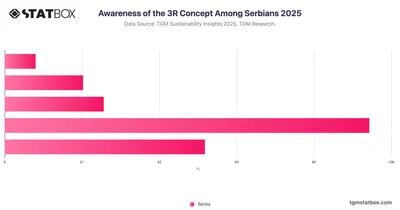
In Serbia, awareness of “Reduce, Reuse, Recycle” is low. Nearly half have never heard of it, and over a quarter are unsure. Only about 4% say they are fully familiar.
 Pro
Pro
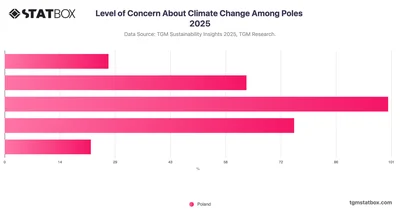
In Poland, concern about climate change is widespread but varies in intensity. The largest group (35%) describe themselves as moderately concerned.