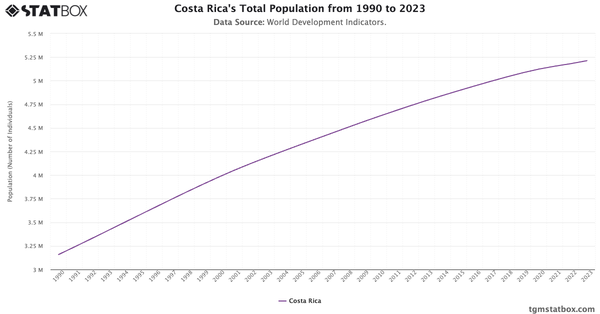
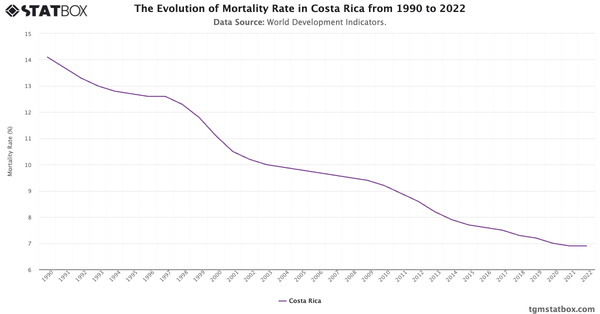
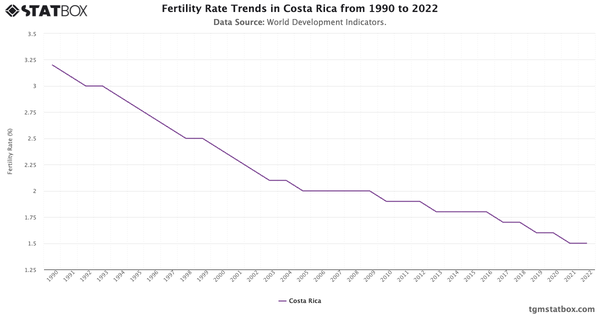
Costa Rica's median age has risen consistently, from 24.2 years in 2000 to a forecasted 37.8 years by 2030. This demographic trend reflects Costa Rica's rapid urbanization and rising standards of healthcare, which have improved life expectancy and lowered birth rates over time. By 2010, the median age had climbed to 28, spurred by shifts toward urban living where families typically have fewer children. The country’s expanding healthcare infrastructure and educational access, especially in cities, have contributed to this aging trend by reducing child mortality rates and enhancing family planning awareness.
As of 2023, Costa Rica's median age stands at 34.1, illustrating the country’s shift toward an aging population as fertility rates decline and urbanization continues. The forecasted increase to nearly 38 by 2030 highlights potential future challenges in meeting the healthcare and pension needs of an aging society. Costa Rica’s demographic trends emphasize its economic transformation, with urban growth facilitating changes in family structures, ultimately reflecting a maturing population with evolving social service demands.
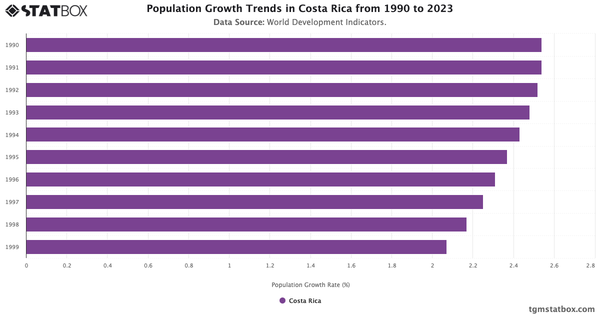
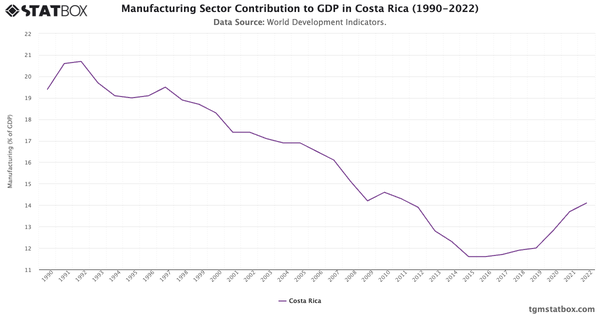
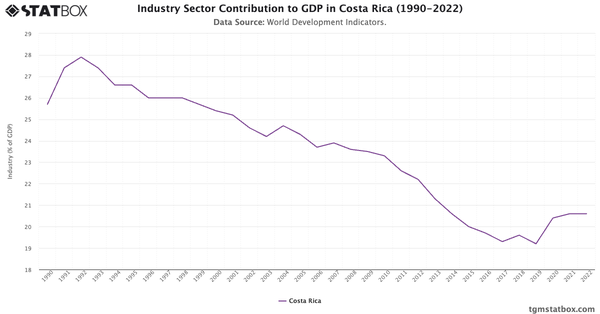
For a deeper dive into the topic, explore Costa Rica’s industrial sector GDP share, Costa Rica’s population growth rate, Costa Rica’s urban expansion.