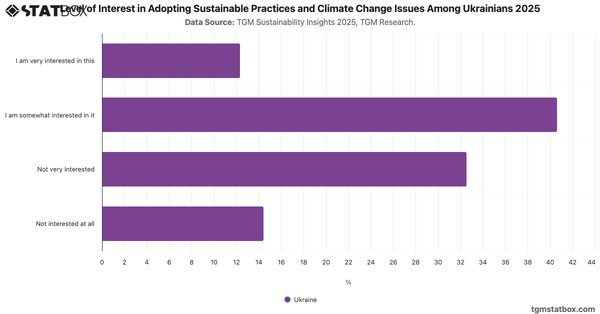
55% of Poles have interest in sustainable practices and climate issues.
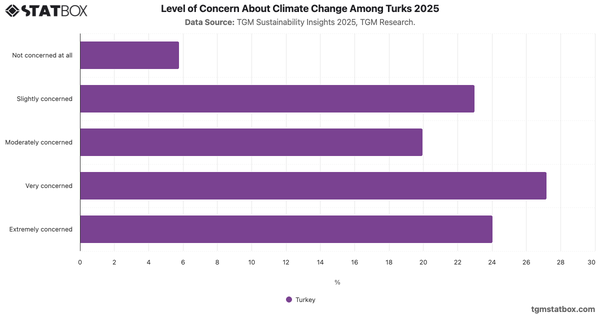
60.9% are concerned about climate change.
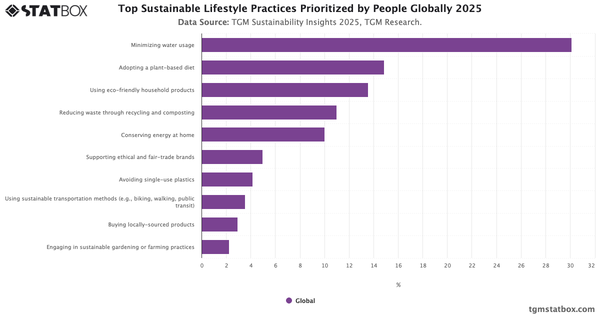
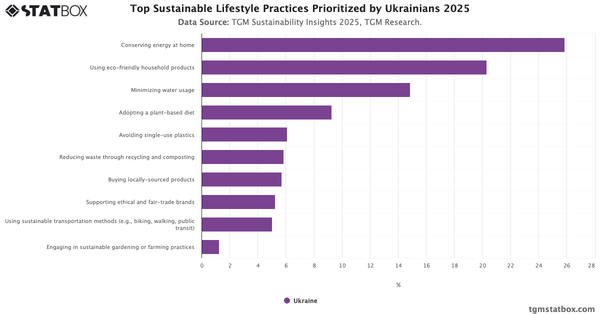
Minimizing water usage is the top sustainable lifestyle practice for Poles.
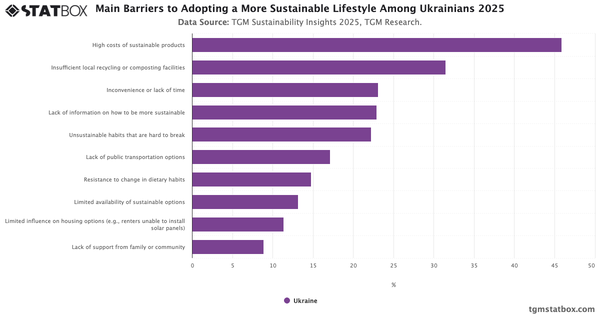
High costs of sustainable products are the main barrier.
Recycling and composting are key actions to reduce carbon footprints.


Poland Sustainability Insights Report 2024
Learn more about sustainability insights in Poland with TGM StatBox. Explore in-depth insight report, featuring user behavior, trends, and preferences.
Go to report
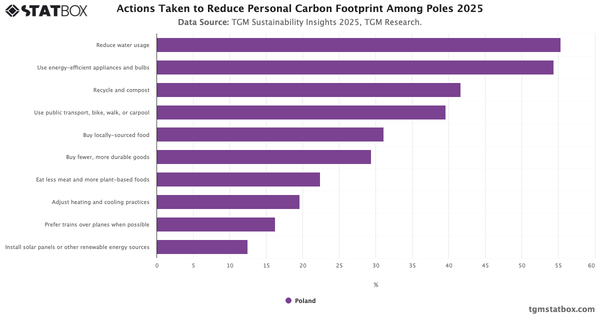
For most Poles, sustainability begins with simple, tangible actions. Over 55% say they actively reduce water use, and 54% use energy-efficient appliances and bulbs, which are practices that both cut costs and feel manageable. Recycling and composting follow, with 42% reporting regular participation, showing that household-level choices dominate the Polish sustainability landscape.
When asked about priorities, 43% place water conservation first, while fewer than 10% rank recycling and composting at the top. While recycling is a common action (especially when infrastructure is present), it is not yet a deeply internalized priority. Local gaps in recycling and composting facilities, flagged by nearly 18% of respondents, help explain this uneven adoption.
Sustainability in Poland is strongly tied to affordability. Nearly half cite high costs as the top barrier, far ahead of other obstacles. This aligns with the strong adoption of cost-saving actions like energy efficiency and buying durable goods. Meanwhile, premium choices like eco-friendly products or plant-based diets remain niche.
Transport habits reflect structural constraints: while 40% say they use public transport, cycle, or carpool, a notable 14% still cite lack of transport access as a barrier. Food behaviors show a similar tension; 22% say they eat less meat or more plant-based foods, but resistance to diet change is a reported barrier for 18%. These areas remain slower to shift compared to household energy and water practices.
Polish sustainability behavior is practical, visible, and cost-conscious. Interest exists, around 67% show at least some interest in sustainability, and 54% are moderately to very concerned about climate change, but adoption depends on whether green choices are affordable and easy to integrate. The clear opportunity for businesses and policymakers is to make the sustainable option the cheaper, simpler one:
- Expand reliable recycling and compost systems to match household motivation.
- Lower costs of sustainable products or link them to savings (e.g., loyalty programs for waste reduction).
- Frame green choices not only as “climate-friendly” but as money-saving, time-saving, and convenient.
*Disclaimer: The information provided by TGM StatBox is intended for general informational purposes only. TGM StatBox does not assume liability for the completeness or accuracy of the information provided. Due to frequent updates, statistics may be more current than mentioned in the text. Please independently verify the information and consult experts as needed.




Connect with our expert team for immediate assistance or comprehensive market analysis. We are always ready to support your business needs.