Statistics library
Explore a wide range of consumer insights and statistics across industries. Discover charts on behaviors, preferences, attitudes, and market trends to find the data most relevant to your research and decision-making.
 Pro
Pro
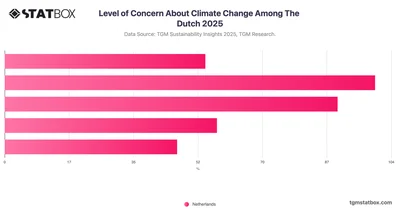
In the Netherlands, feelings about climate change cover a wide spectrum. The largest group, are slightly concerned, with another 26% feeling moderately concerned.
 Pro
Pro
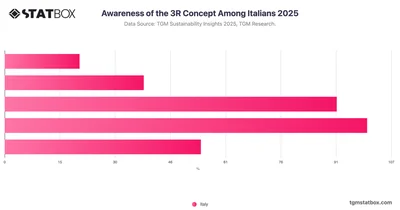
In Italy, awareness of the 3R concept (Reduce, Reuse, Recycle) is strikingly low, with over 62% openly lack familiarity. Even more telling, 18% are unsure.
 Pro
Pro
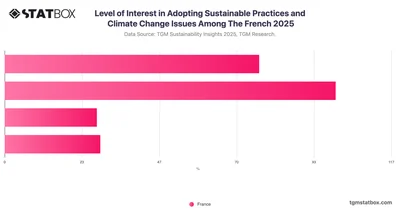
In France, 76% of respondents express at least some interest in sustainable practices and climate change, reflecting a cultural shift that aligns with recent national policies.
 Pro
Pro
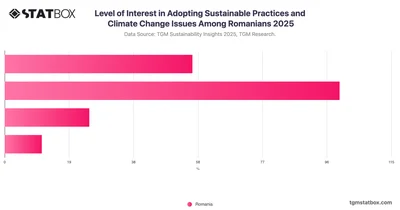
Romanians are largely on board with sustainability. Most people, more than half, are “somewhat interested,” and nearly a third are passionate about it.
 Pro
Pro
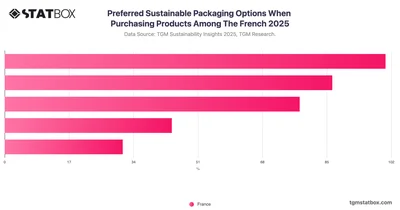
TGM StatBox data shows which sustainable packaging options people in France prefer when purchasing products, based on a 2025 consumer survey.
 Pro
Pro
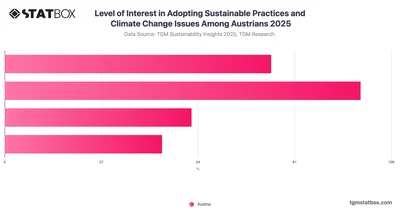
Austrians are leaning green, but not at full tilt. While 36.8% express moderate interest in sustainability and climate change, only 27.6% are very engaged.
 Pro
Pro
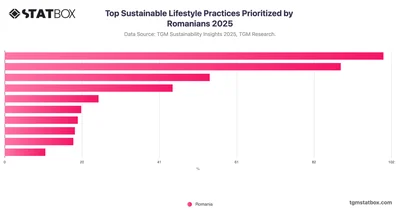
In Romania, sustainability starts with everyday choices. Water conservation (24%) tops the list, followed closely by recycling and composting (22%).
 Pro
Pro
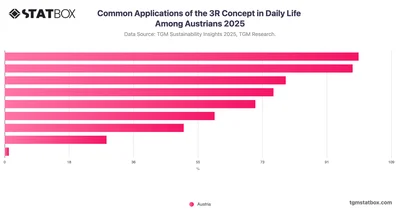
Austrians may not know the term "3R," but they’re living it. Recycling tops the list at 54.92%, closely followed by reusing materials. Learn more on TGM StatBox.
 Pro
Pro
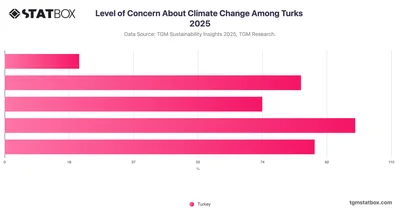
Over half of Turkish respondents are in the very or extremely concerned categories, with smaller groups expressing moderate or slight concern.
 Pro
Pro
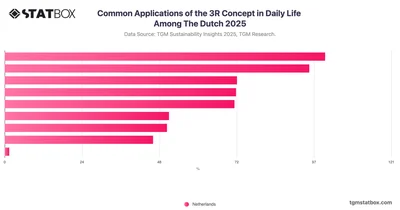
Among the Dutch who know and apply the 3R concept, the most common actions are recycling at home or work and reusing materials and products.
 Pro
Pro
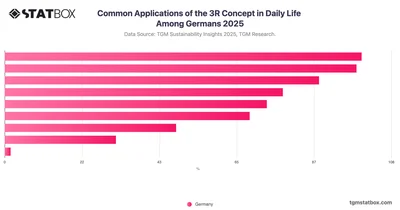
In Germany, applying the 3Rs isn’t about slogans, it’s a set of practiced habits. Reuse (46.2%) edges out recycling (45.5%) as the top choice.
 Pro
Pro
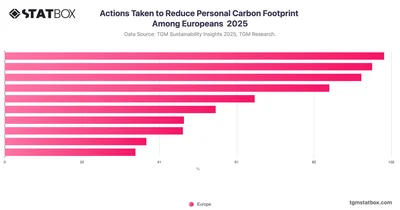
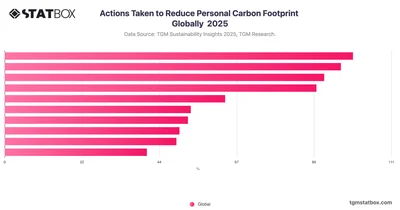
The most common habits to reduce carbon footprint are recycling and composting (49%), saving water, and using energy-efficient appliances or lightbulbs.
 Pro
Pro
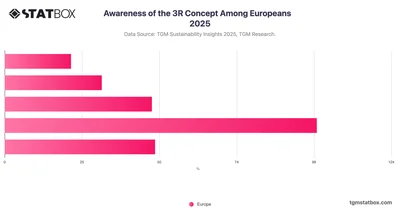
In Europe, awareness of the “3R” concept — Reduce, Reuse, Recycle — is far from universal. A large share, about 40%, say they are definitely not familiar with it.
 Pro
Pro
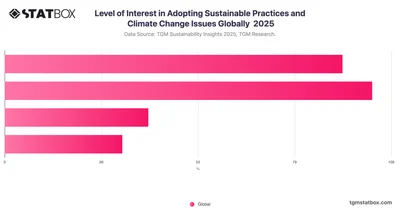
About 35% of people say they are very interested in making their lives more sustainable. A slightly bigger group, 38%, are somewhat interested.
 Pro
Pro
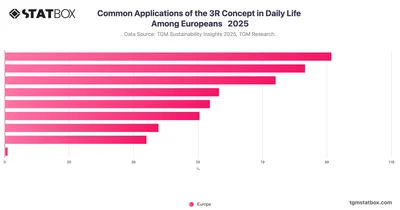
When Europeans put the “3Rs” — Reduce, Reuse, Recycle — into practice, recycling comes first. Over half say they recycle at home and work, and nearly as many reuse materials and products.
 Pro
Pro
The most common actions of 3Rs are recycling and composting, reducing water use, and choosing public transport, biking, walking, or carpooling.
 Pro
Pro
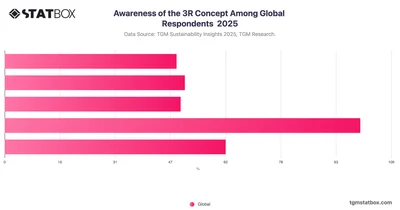
Global awareness of the “3R” concept, Reduce, Reuse, Recycle, remains uneven. Only around 16% of respondents say they are definitely familiar with the idea.
 Pro
Pro
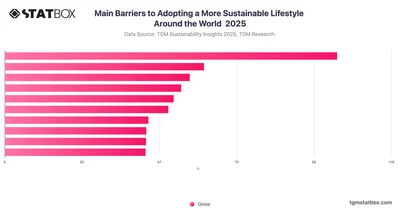
Several challenges make it hard for people around the world to live more sustainably. The biggest barrier is high costs, mentioned by about 43% of respondents.
 Pro
Pro
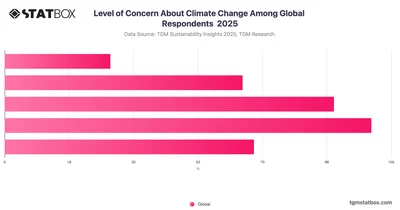
Around the world, most people care about climate change, but not everyone feels the same. Almost half of people are highly concerned. Another 26% are moderately concerned.
 Pro
Pro
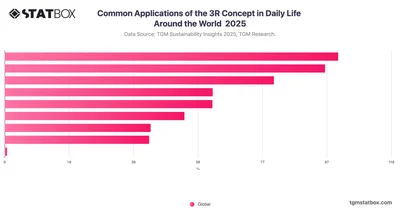
People around the world apply the “3Rs”, Reduce, Reuse, Recycle, in many ways. The most common actions are recycling at home and work (52%) and reusing materials and products.
 Pro
Pro
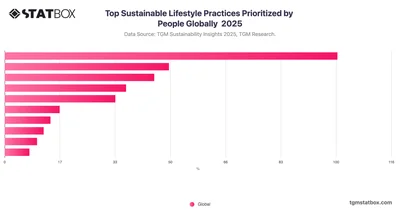
Globally, people choose many ways to live more sustainably, but some habits stand out. Saving water is the most common, with about 30% making it their top priority.