40.4% of Europeans are not familiar with the 3R concept.
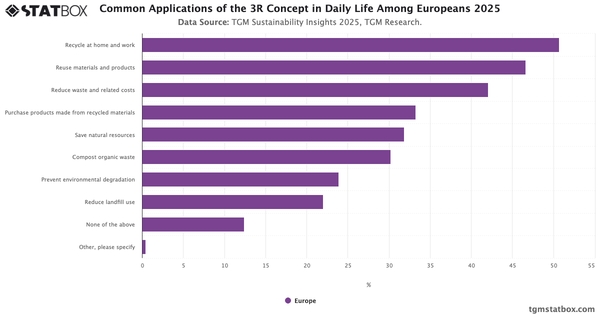
50.7% of Europeans recycle in their daily lives.
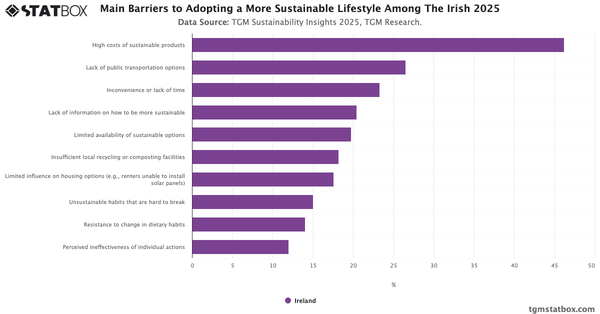
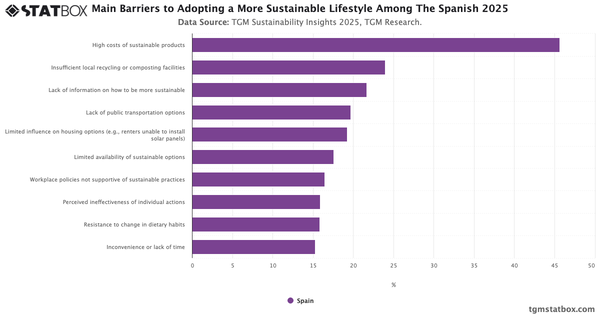
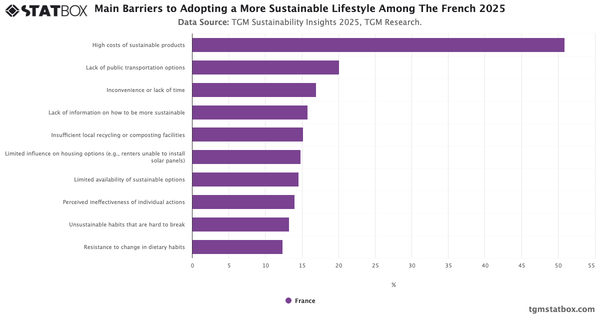
High costs are a significant barrier to sustainable living.
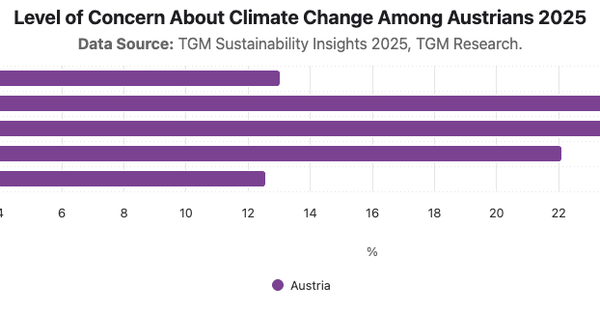
53.8% of Europeans express high concern about climate change.


Europe Sustainability Insights Report 2024
Discover how people in Europe think and act on sustainability. TGM delivers localized, data-driven insights to support responsible business decisions and global impact.
Go to report
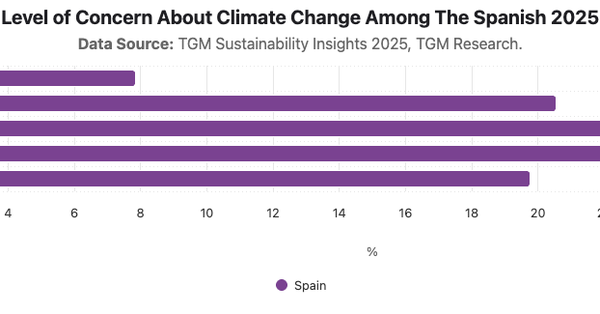
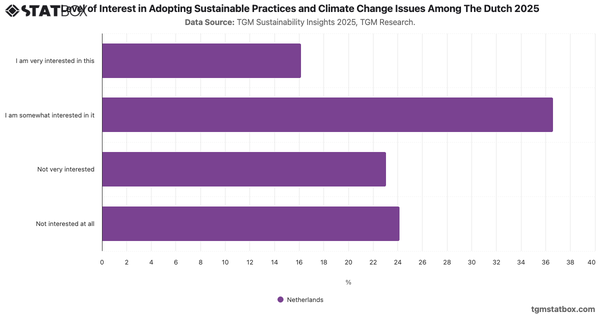
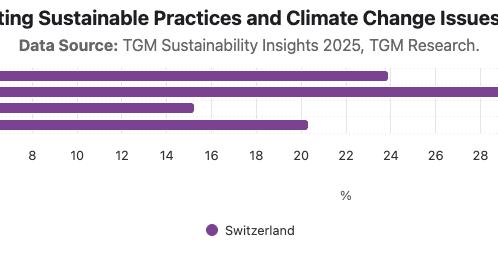
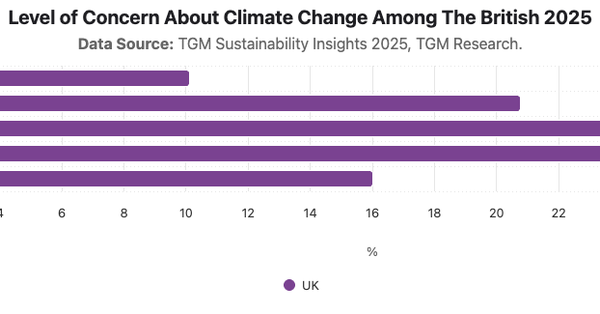
While more than 70% of Europeans are at least somewhat interested in sustainability, only 15% are extremely concerned about climate change, lower than the global average. Most say they are moderately or very concerned, showing that the issue matters to them, but it doesn’t always feel like an urgent personal crisis.
Europe shows one of the lowest “definitely yes” scores for knowledge of the Reduce–Reuse–Recycle concept. In fact, over 60% of respondents either admit they do not know it or are unsure. For a region often seen as environmentally progressive, this gap points to a need for clearer, more accessible public education on basic sustainability principles.
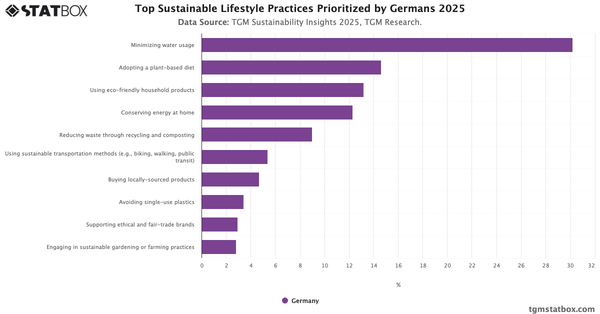
When Europeans act on sustainability, it’s most often at home. Recycling (50.7%), reusing materials (46.6%), and reducing waste (42%) top the list. Composting is more common than in many other regions, but actions beyond the household, like reducing landfill use or preventing environmental degradation, are much less frequent.
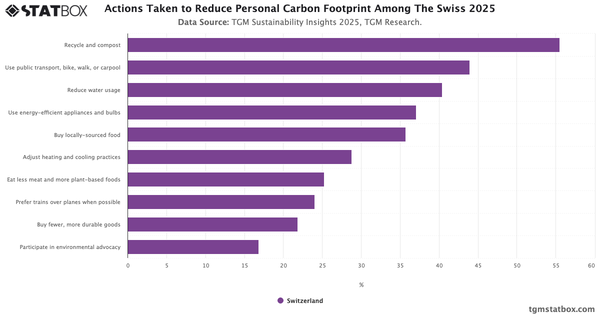
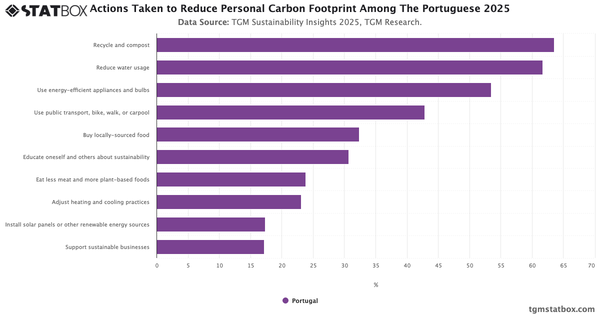
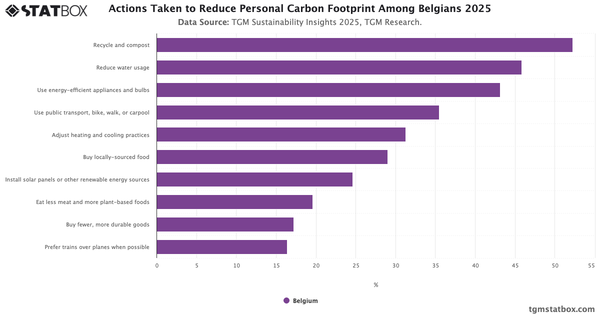
Recycling and composting (49%), reducing water use (47.5%), and switching to energy-efficient appliances (46.1%) are the top carbon-cutting actions. Public transport and cycling are also well-used (42%), which aligns with Europe’s established transit networks. More disruptive or costly changes, such as installing solar panels or major dietary shifts, remain niche.
Cost is a bigger barrier in Europe than in many other regions, nearly half cite it as their top challenge. Limited recycling facilities and public transport gaps follow, even in places with otherwise advanced infrastructure. Many also mention lack of time, limited availability of sustainable products, and existing habits that are hard to break.
*Disclaimer: The information provided by TGM StatBox is intended for general informational purposes only. TGM StatBox does not assume liability for the completeness or accuracy of the information provided. Due to frequent updates, statistics may be more current than mentioned in the text. Please independently verify the information and consult experts as needed.




Connect with our expert team for immediate assistance or comprehensive market analysis. We are always ready to support your business needs.