43.31% of Serbians are somewhat interested in sustainability.
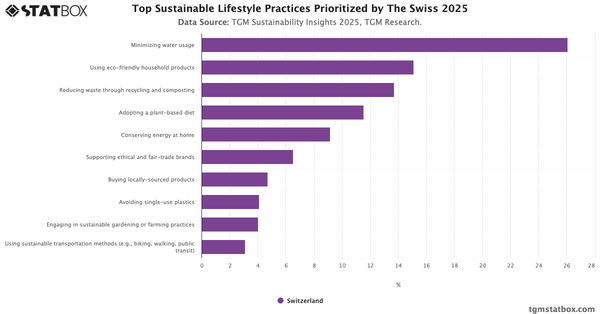
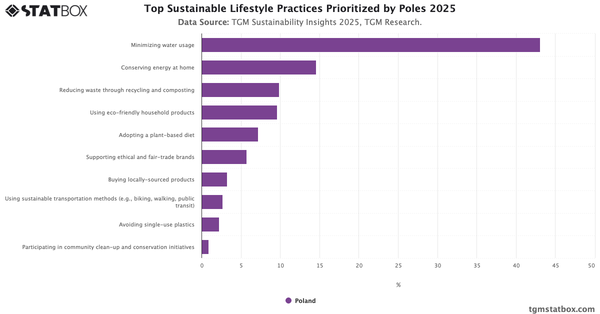
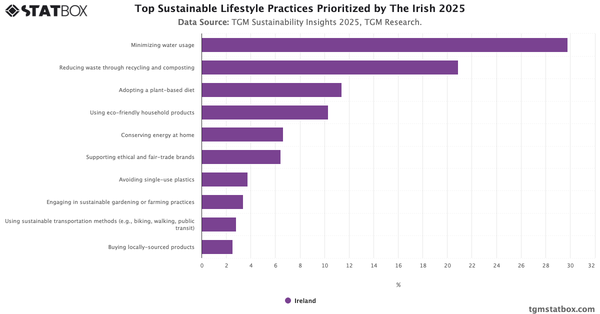
The main sustainable practice prioritized by Serbians is minimizing water usage.
The top barrier to sustainability in Serbia is insufficient recycling facilities.
46.49% of Serbians choose eco-friendly transportation to reduce their carbon footprint.
Serbians show a moderate level of concern about climate change.


Serbia Sustainability Insights Report 2024
Discover how people in Serbia think and act on sustainability. TGM delivers localized, data-driven insights to support responsible business decisions and global impact.
Go to report
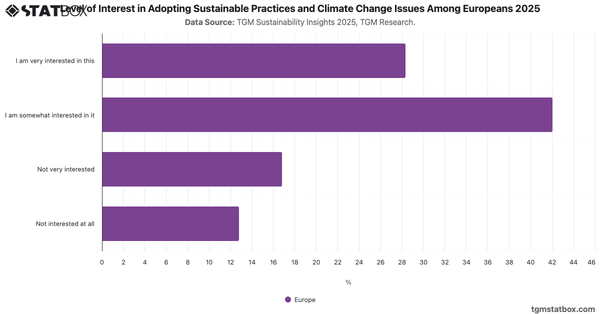
Nearly half of Serbians say they are interested in sustainability, yet only a quarter feel strongly engaged, while a third remain indifferent. Climate change concern shows the same pattern: most are only mildly worried, and just a small minority are highly alarmed. People are aware, but there is little urgency or pressure for bigger change.
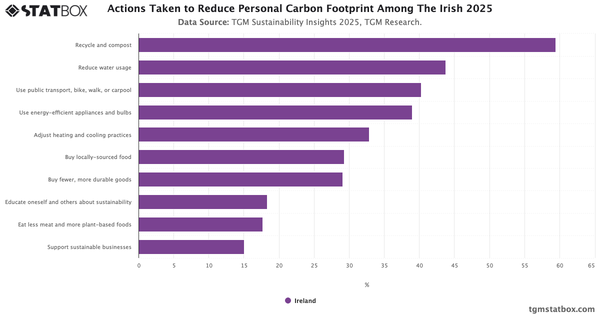
This weak urgency shows in daily life. Some actions, like eating less meat or saving water, are fairly common. But others, like recycling or buying local food, are rare. This uneven picture suggests an opportunity: campaigns can build on familiar habits, such as water or energy saving, and expand them into less common actions. The goal is to turn small, everyday steps into wider sustainable practice.
The main problems are structural. Many towns lack recycling systems and green products are often too expensive. Public transport limits also matter, especially in car-heavy Belgrade. Even people who want to act find it difficult. Motivation grows when green choices are cheaper, easier, and more available, this is where policy and business can make the biggest difference.
*Disclaimer: The information provided by TGM StatBox is intended for general informational purposes only. TGM StatBox does not assume liability for the completeness or accuracy of the information provided. Due to frequent updates, statistics may be more current than mentioned in the text. Please independently verify the information and consult experts as needed.




Connect with our expert team for immediate assistance or comprehensive market analysis. We are always ready to support your business needs.