Travel budgets shape more than a traveler's own trip. They set the ceiling for what airlines, hotels, and tour operators can realistically charge. For businesses selling into the European travel market, knowing where that ceiling sits is the difference between a package that converts and one that prices itself out.
TGM StatBox data on 2026 travel budgets across Europe shows a market where spending is concentrated well below the premium end.
Recent research from TGM Research across 2,506 European respondents reveals a market that isn't splitting down the middle at all. Instead, it is anchored by a massive, predictable core, and ignoring it in favor of luxury chasing is a costly mistake.
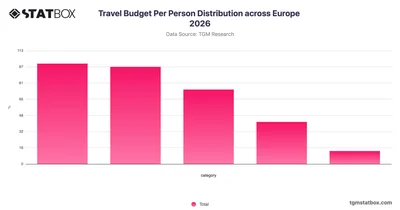
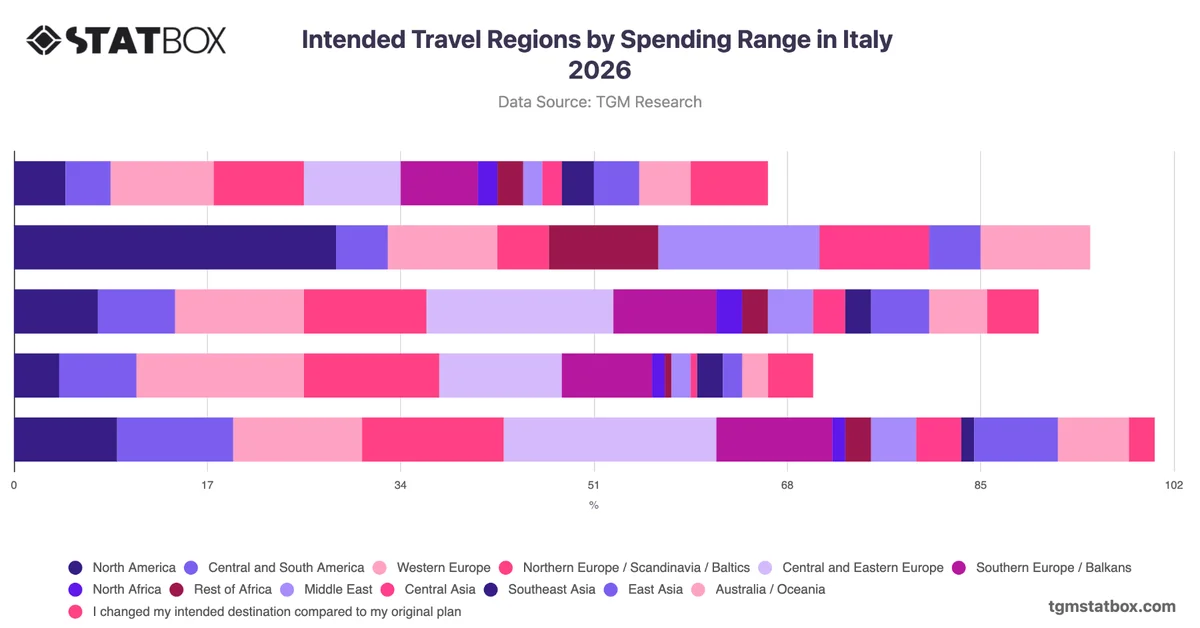
The numbers sketch a clear picture of reality. A dominant 61% of Europeans plan to keep their per-person travel budget squarely between €500 and €2,500 for their next trip.
Look at the other end of the spectrum, and the illusion of a luxury boom starts to fade. Just 4% of Europeans plan to spend more than €5,000 per person - the premium edge is thin. This small group only creates a fraction of the market, since many consumers prefer budget-conscious travel, opting for shorter trips, domestic destinations, or affordable alternatives.
Put together, the travel industry has it backward. Brands may spend billions trying to capture the extremes, slashing prices for budget seekers in the luxury tier. But the data shows Europe isn't split at all. Ninety-six percent of travelers live entirely outside the luxury bubble, anchoring their trips in a broad, predictable middle class that rewards smart, reliable quality over flash and status.
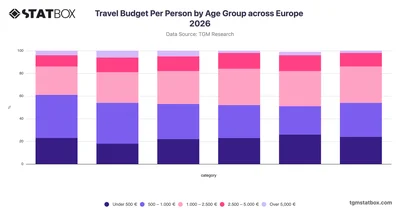
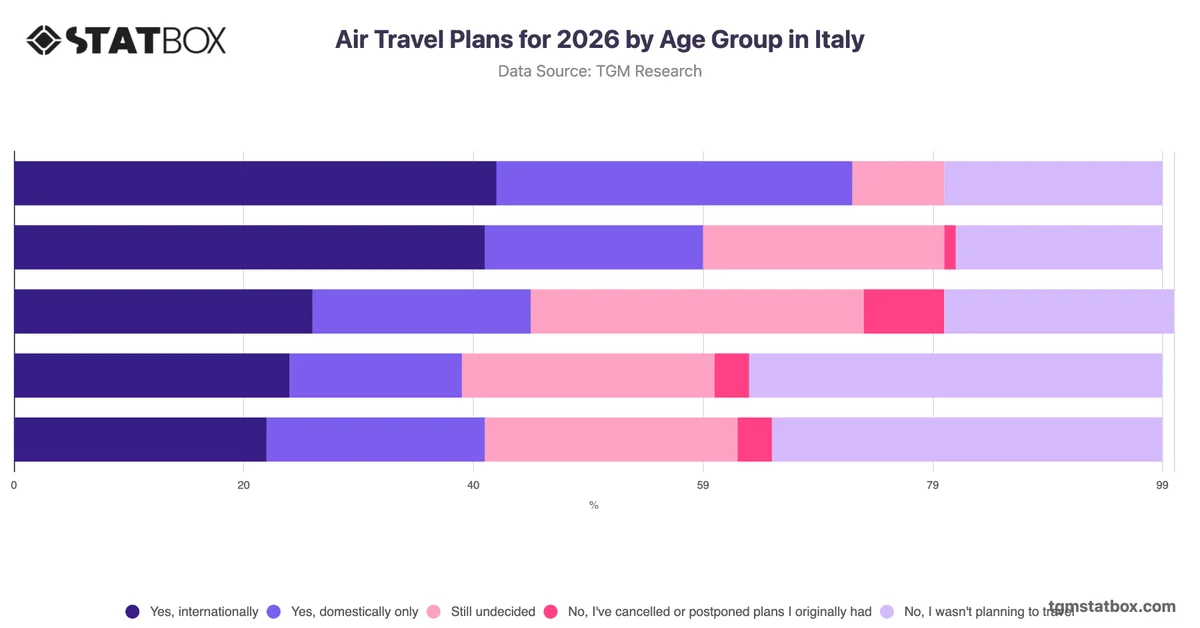
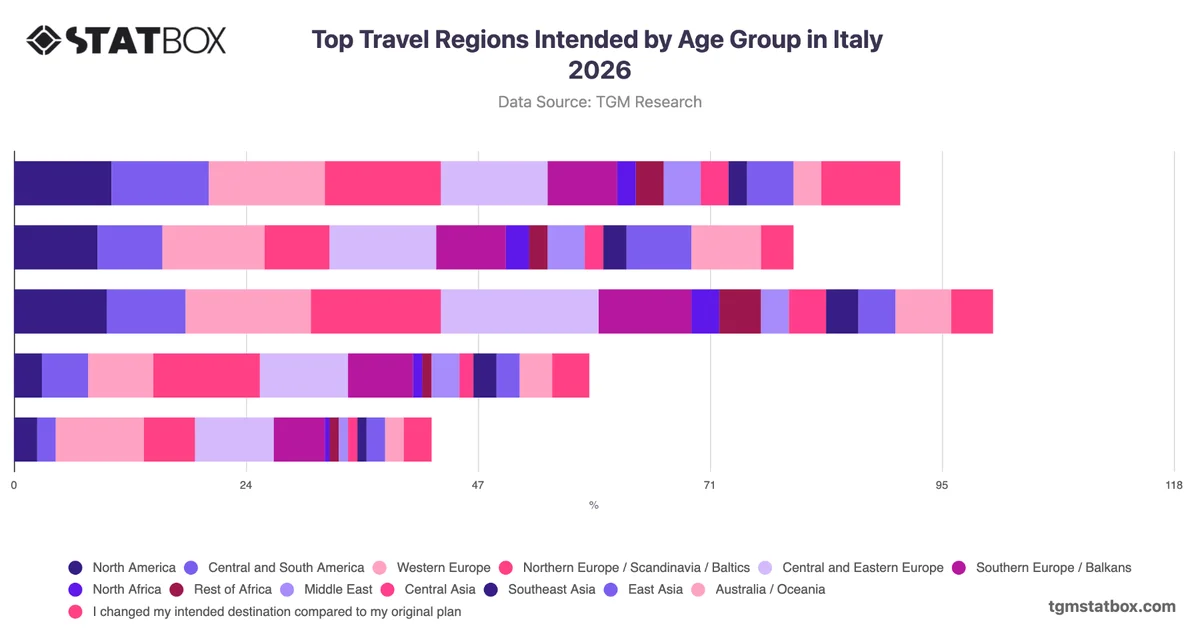
While the overall market converges into one massive middle, that picture shifts in fascinating ways when you break the data down by age, revealing how different generations redefine what value means:
For most travel brands, the €500–€2,500 band is where the volume is. Premium offers above €5,000 aren't wasted effort, but they're built for a 4% audience, a segment worth serving deliberately, not by default.
World events can still move both ends of that range. TGM StatBox data on how major global events have reshaped European travel spending is worth watching alongside this distribution, since a shock that pushes mid-range travelers toward caution could shrink the premium segment further before it grows it.
Country-level behavior can also diverge from this European average. Swiss travelers, for instance, show a distinct pattern in where they plan to fly in 2026, reminding us that a continent-wide budget picture still needs a market-by-market read before it becomes a pricing strategy.
61% of Europeans plan to spend under €2,500 per person on their next trip. See how travel budgets break down across the continent with TGM StatBox.
TGM Research conducted an online survey in Europe to explore consumer travel plans for 2026 leisure trips.
The study surveyed 2,506 respondents aged 18–65+. It examines air travel intentions, preferred destinations, the impact of current world events, travel budgets, accommodation preferences and the types of trips European travelers are planning.
Country coverage: Switzerland, France, Italy and Germany.
TGM Research surveyed a representative sample in Europe using online interviews (CAWI). Small-base segments are identified in the report where applicable.

Findings from our data, highlighting consumer behaviour, preferences, and market signals across global markets.
Follow global economic trends and market signals through clear visual stories.
The latest launches and updates from TGM StatBox.
TGM StatBox's data and infographics across Europe markets.
Consumer insights, data stories and product updates as we publish them. No other mail, and one click to leave.
Roughly two emails a month.
Our team can run the study behind the story — in 60+ countries, on your question, with the data belonging to you.
Type at least two characters to search.