Climate change remains a visible public concern, although people do not always place it above economic pressure or other immediate problems.
Looking only at how many people say they are worried therefore gives an incomplete picture. The more useful question is how climate concern fits within wider public priorities and what that concern means over a longer period.
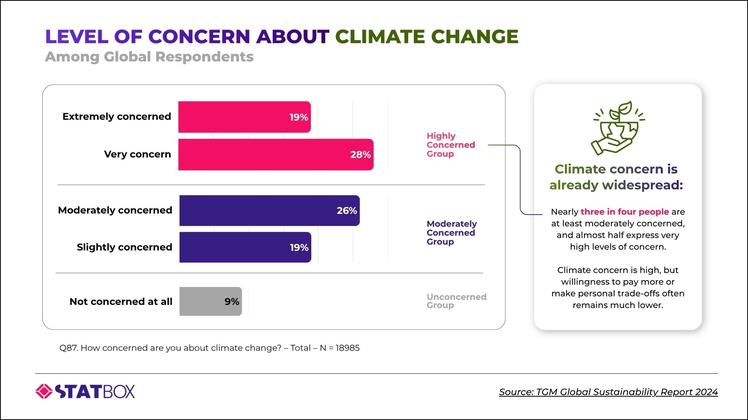
Climate concern is already widespread
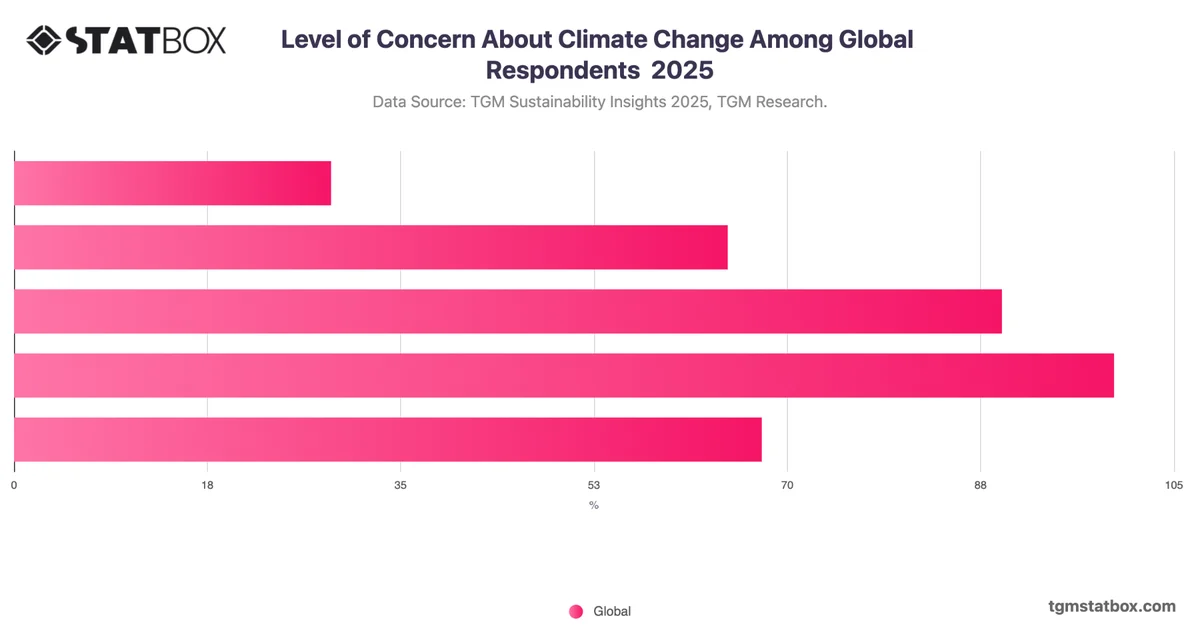
TGM’s data shows that almost half of global respondents report being highly concerned about climate change. When moderate concern is included, more than seven in ten respondents express a meaningful level of concern.
The result indicates that climate change occupies a significant place in public awareness. However, concern measures perceived seriousness rather than relative priority. A person can consider climate change important while focusing more strongly on problems that have an immediate effect on daily life.
Ipsos illustrates that distinction. Its People and Climate Change Report 2026 found that 59% across 31 countries believe their country needs to do more to address climate change. Yet climate change ranked lower than several immediate concerns in its broader What Worries the World tracking.
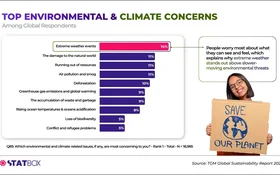
Together, the findings suggest that high concern does not necessarily make climate change the dominant public worry at a given moment. Public attention is influenced by what people experience most directly, while climate change often develops across a much longer time horizon.
Short-term attention and long-term climate risk tell different stories
The difference becomes clearer when public opinion is compared with current climate evidence.
The World Meteorological Organization reported that 2015–2025 were the hottest 11 years on record. At the same time, the World Economic Forum's Global Risks Report 2026 places extreme weather at the top of its long-term global risk outlook toward 2036.
These findings create an important contrast. Climate change can receive less immediate attention when economic or geopolitical concerns become more pressing, while the underlying environmental risk continues to develop.
Public concern therefore needs to be understood in two dimensions: how important climate change feels today and how much exposure continues to build over time. A lower position in a public-worry ranking does not mean the issue itself has become less significant.
What does climate concern mean for business and commercial decisions?
Climate concern also matters outside environmental research because it forms part of the broader social environment in which businesses operate.
Deloitte's 2025 C-suite Sustainability Report found that 60% of surveyed executives expect climate change to have a high or very high impact on their company's strategy and operations over the next three years.
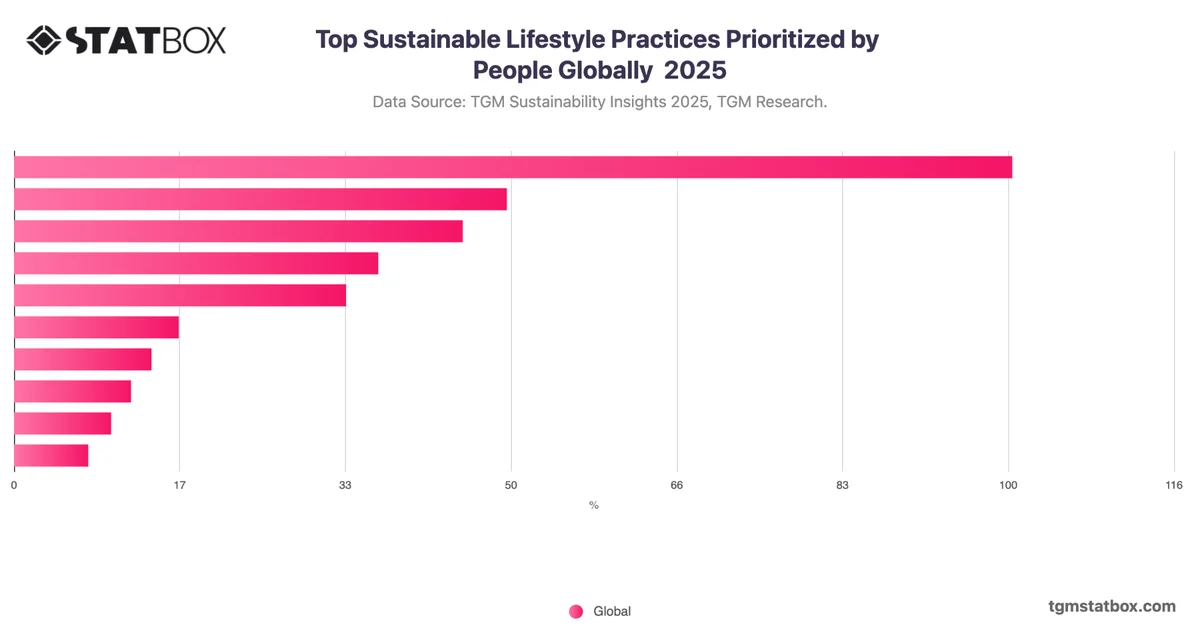
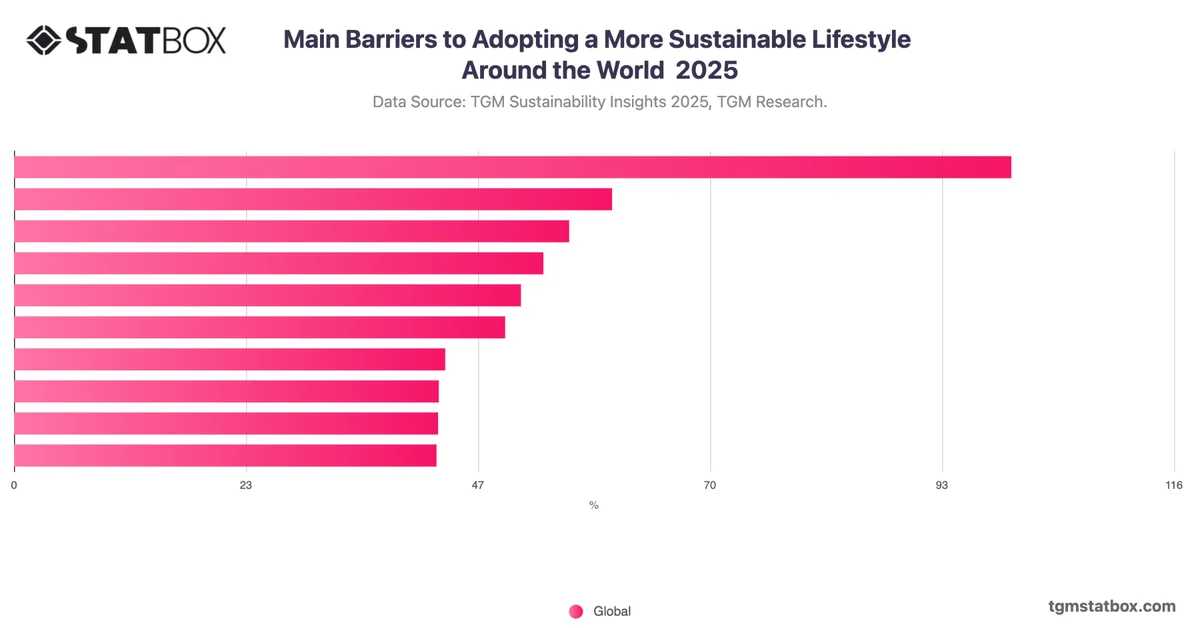
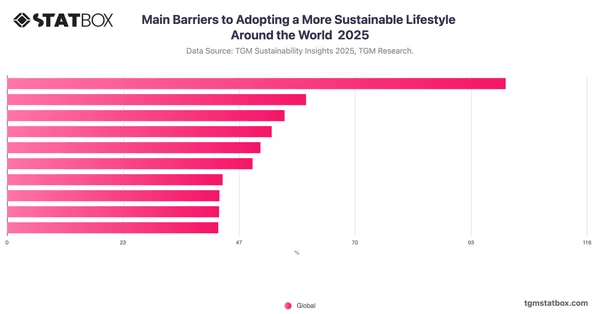
Still, public concern should not be treated as direct evidence of consumer action. TGM data on sustainable lifestyles shows that high cost remains an important barrier to adopting more sustainable practices. Someone who is concerned about climate change does not automatically choose the more sustainable product or accept a higher price. Concern is better understood as an attitudinal signal whose effect depends on affordability, category context, local conditions and individual priorities.
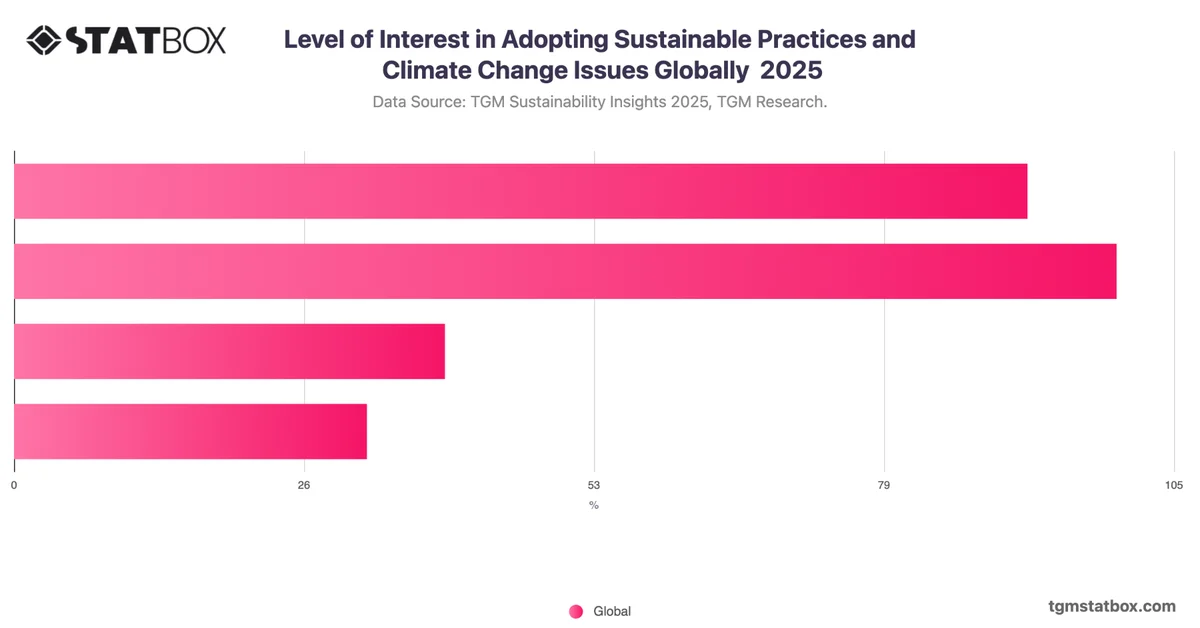
Now imagine your business 10 or 20 years from today. Climate pressure has become more severe, production faces new environmental constraints, packaging requirements have tightened, and regulation asks companies to meet higher environmental standards. At the same time, consumers show greater interest in adopting more sustainable and climate-conscious practices, which can gradually shape what they expect from the brands they choose. If those changes arrive together, how much room will your business still have to adjust?
That longer horizon is what makes climate concern worth watching now. Decisions around production, sourcing, packaging and investment often remain in place for years, while consumer expectations and regulation develop gradually around them.
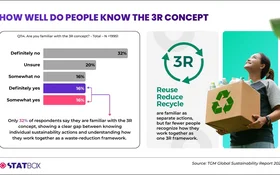
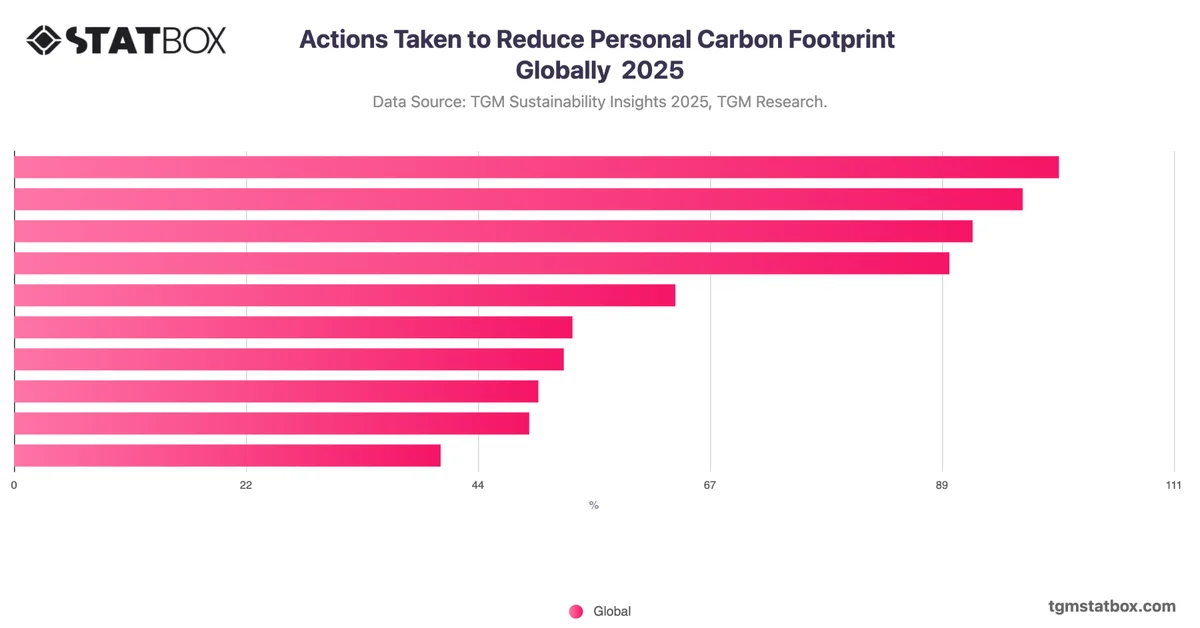
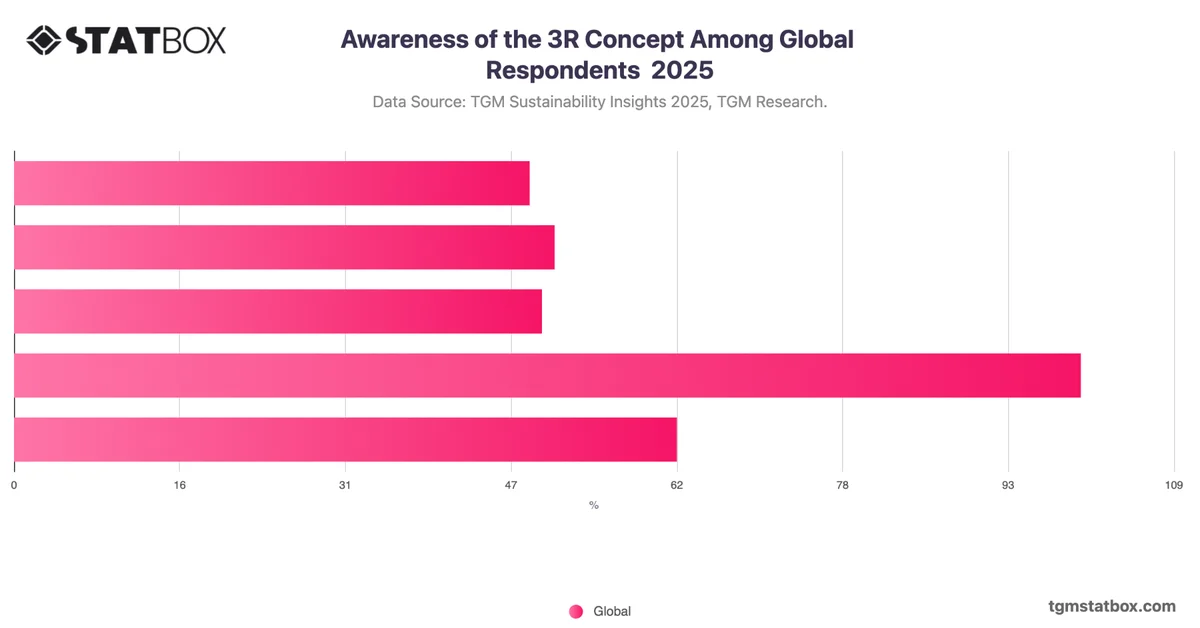
Waiting until sustainable practices become the market norm leaves less time to respond. Growing awareness of the 3R concept and greater attention to reducing personal carbon footprints already provide signals of how environmental awareness is entering everyday decisions. Understanding climate concern earlier gives businesses a clearer view of where expectations are heading and more time to prepare before environmental pressure becomes an immediate commercial issue.
What does the data ultimately tell us?
The evidence suggests that people are genuinely concerned about climate change, even when it does not rank as their most immediate worry.
That distinction is important. Public attention can change quickly, while climate risk develops over a much longer period. Climate change therefore does not need to dominate today's worry rankings to remain socially and economically significant.
For businesses, climate concern is most useful when treated as an indicator of how people perceive a long-term issue rather than as a simple prediction of behavior. Studying that concern now helps reveal how environmental attitudes are developing before their wider consequences become more visible.
If you want to understand how these attitudes appear in everyday life, explore more sustainability data and charts on TGM StatBox.
 Premium
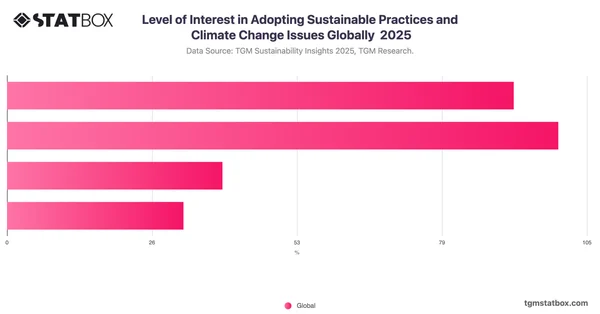
Level of Interest in Adopting Sustainable Practices and Climate Change Issues Globally 2025
Premium
Level of Interest in Adopting Sustainable Practices and Climate Change Issues Globally 2025
 Premium
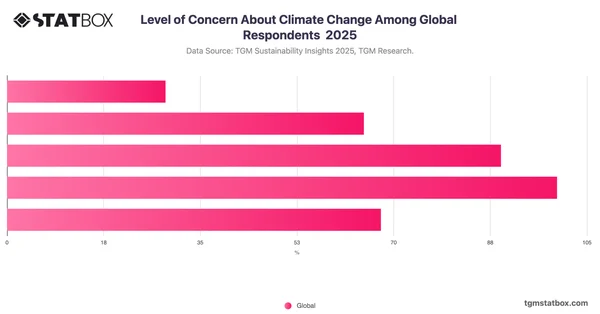
Level of Concern About Climate Change Among Global Respondents 2025
Premium
Level of Concern About Climate Change Among Global Respondents 2025
 Premium
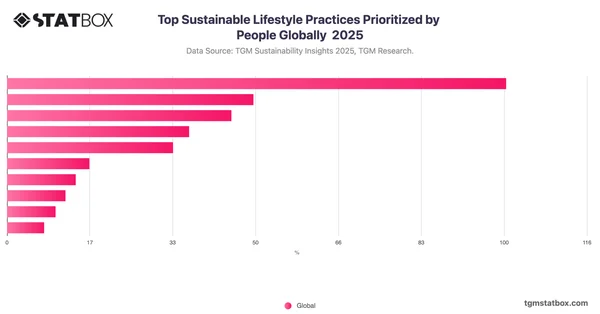
Top Sustainable Lifestyle Practices Prioritized by People Globally 2025
Premium
Top Sustainable Lifestyle Practices Prioritized by People Globally 2025
 Premium
Main Barriers to Adopting a More Sustainable Lifestyle Around the World 2025
Premium
Main Barriers to Adopting a More Sustainable Lifestyle Around the World 2025
This chart shows global levels of concern about climate change, highlighting how widely the issue is recognized even as economic and social pressures compete for public attention.
Findings from our data, highlighting consumer behaviour, preferences, and market signals across global markets.
Follow global economic trends and market signals through clear visual stories.
The latest launches and updates from TGM StatBox.
TGM StatBox's global sustainability attitudes & behavior data and infographics in Global.
Consumer insights, data stories and product updates as we publish them. No other mail, and one click to leave.
Roughly two emails a month.
Our team can run the study behind the story — in 60+ countries, on your question, with the data belonging to you.
Type at least two characters to search.