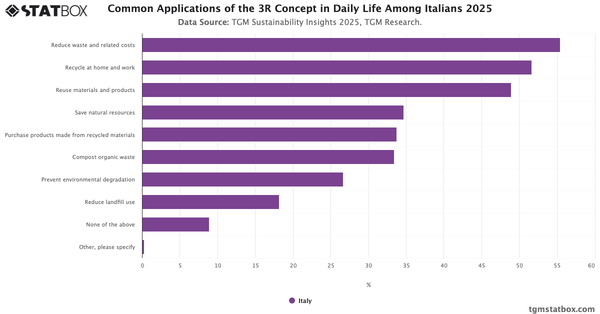
45.04% practice recycling and composting to lower carbon footprints.
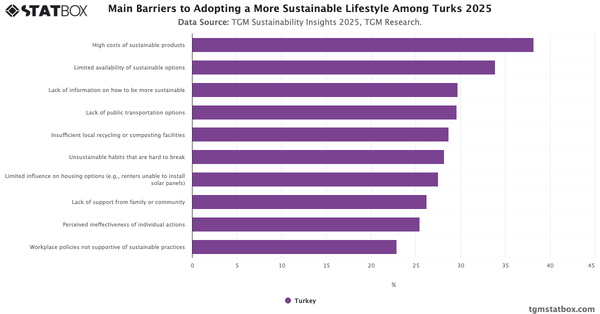
Many cite high costs and limited recycling facilities as key obstacles.
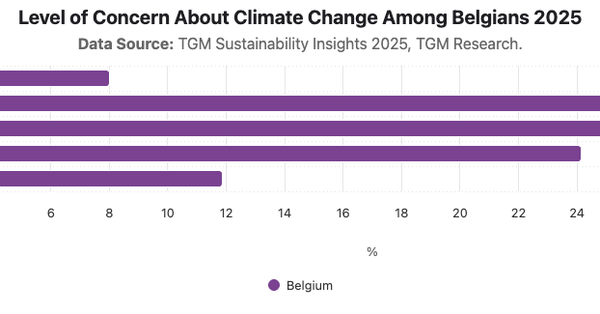
Most participants (80%) express concern about climate change.
Interest in sustainable practices is high globally.

Across the world, conversations about climate change and sustainable living are growing louder. Our global survey reveals that nearly three-quarters of people are at least somewhat interested in adopting sustainable practices and tackling climate change. This interest is underpinned by real concern: almost half are very or extremely concerned about climate change, and another quarter feel moderately concerned. However, not everyone shares the same urgency, which means the journey toward widespread sustainable behavior is uneven.
Turning awareness into action, the most common steps people take to reduce their carbon footprint are relatively low-cost and easy to adopt. Recycling and composting (45%), reducing water usage (43%), using public transport, cycling, or walking (41%), and choosing energy-efficient appliances (40%) top the list. Less common are bigger investments or more disruptive changes, like installing solar panels (18%) or avoiding air travel (13%).
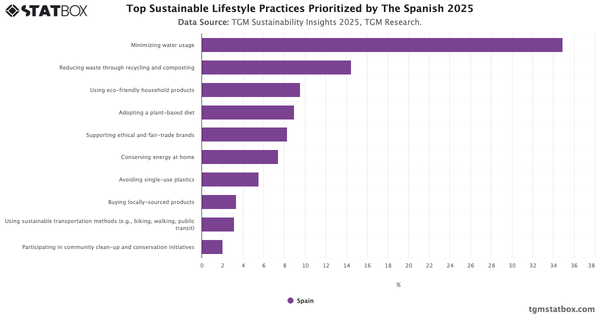
In terms of priorities, people are most focused on minimizing water use (30%), shifting toward a plant-based diet (15%), and choosing eco-friendly products (14%). Far fewer prioritize community initiatives or renewable energy investment, suggesting that sustainability efforts remain largely personal rather than collective.
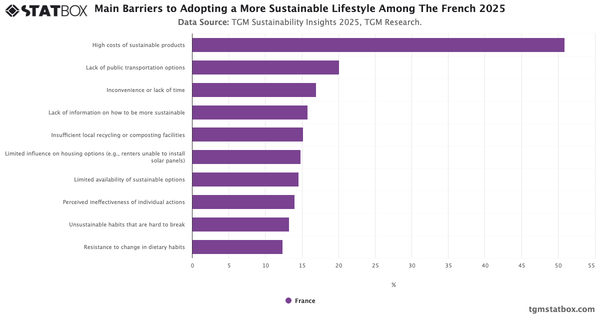
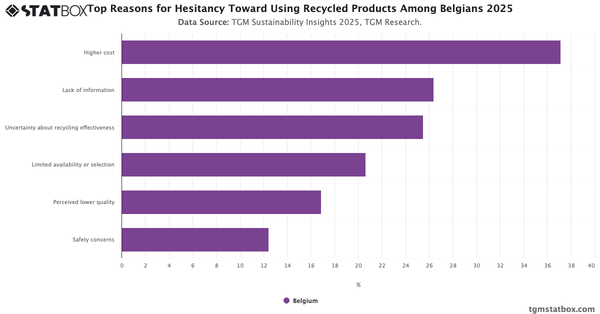
The barriers are clear. High costs (43%) are the single biggest obstacle, followed by limited recycling facilities (26%), lack of information (24%), and the inconvenience or time required to make sustainable choices. Many also face constraints from existing infrastructure, such as poor public transport or housing that can’t easily be upgraded with green technology.
The interest and concern are there, but knowledge gaps, affordability issues, and access challenges stand in the way. The most impactful strategies will combine education with affordable solutions and improved infrastructure, making it easier for people to turn good intentions into everyday action.
*Disclaimer: The information provided by TGM StatBox is intended for general informational purposes only. TGM StatBox does not assume liability for the completeness or accuracy of the information provided. Due to frequent updates, statistics may be more current than mentioned in the text. Please independently verify the information and consult experts as needed.




Connect with our expert team for immediate assistance or comprehensive market analysis. We are always ready to support your business needs.