Thanksgiving tops America's holiday popularity ranking in 2026, followed closely by Mother's Day, while Christmas shares third place with Veterans Day. But there's more to these rankings than which holidays Americans like most. Looking beyond the scores reveals some interesting differences in how people feel about celebrations, traditions and national observances.
Based on YouGov's Q3 2026 ratings, here's what the numbers reveal about America's most popular holidays.
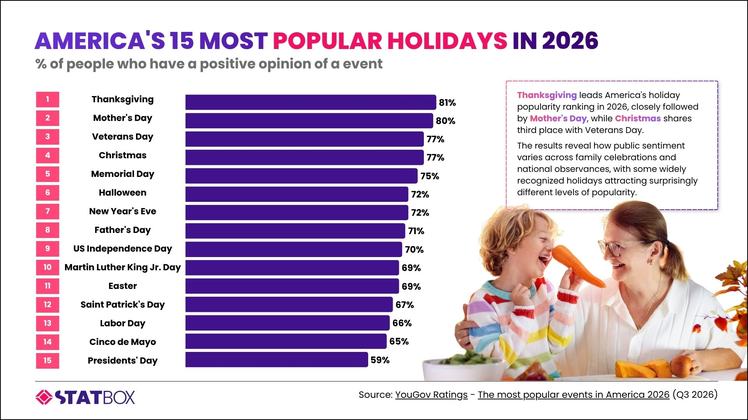
Thanksgiving leads YouGov's 2026 popularity ranking with 81% positive opinion, slightly ahead of Christmas at 77%. Both holidays are widely appreciated, although the ways Americans celebrate them reveal different traditions.
Thanksgiving centers strongly on family gatherings and shared meals. In YouGov's November 2025 survey, 86% of Americans planned to celebrate, with 75% expecting family members to attend and 74% saying their group would cook the meal. Even with 29% reporting that rising prices affected their plans, preparing a meal at home remained a common part of the celebration.
Christmas involves a wider range of activities. YouGov's 2025 holiday analysis found that 53% of Americans bought gifts the previous Christmas, while 34% attended gatherings at friends' or relatives' homes. In TGM's Christmas Insights 2025, we found that 53% of surveyed U.S. respondents planned to spend US$100–499 on Christmas gifts.
Interestingly, Numerator's 2025 holiday survey placed both Thanksgiving and Christmas among the occasions with the highest expected celebration spending. The evidence illustrates different ways Americans participate in these popular holidays, from shared meals and hosting to gift-giving and social gatherings. Their popularity scores capture positive sentiment, while the additional surveys reveal the different activities and financial commitments associated with celebrating them.
Mother's Day ranks second with 80% positive opinion, nine percentage points ahead of Father's Day at 71%. Interestingly, this difference is also reflected in how Americans planned to celebrate the two occasions in 2026.
According to the National Retail Federation's 2026 surveys, 84% of Americans planned to celebrate Mother's Day, compared with 77% for Father's Day. Celebrants also expected to spend more on Mother's Day, averaging US$284 per person versus US$227 for Father's Day, bringing total projected spending to US$38 billion and US$27.9 billion, respectively.
More importantly, both holidays reached new spending records in 2026, up from US$34.1 billion for Mother's Day and US$24 billion for Father's Day in 2025. Gift-giving also carries a personal dimension: one-third of Mother's Day shoppers planned to give experiences, while 34% of Father's Day shoppers prioritized gifts that create special memories. Together, these findings suggest that meaningful experiences remain an important part of how Americans celebrate family relationships, even as holiday budgets grow.
Veterans Day shares third place with Christmas at 77% positive opinion, followed by Memorial Day at 75%. Both rank ahead of Independence Day (70%) and Presidents' Day (59%), highlighting the strong public appreciation for holidays honoring military service.
Yet that appreciation comes with an interesting contradiction. In a 2025 Savanta survey, 52% of Americans felt Memorial Day had lost its original meaning, even though 60% still associated it with honoring fallen military personnel. The findings suggest that public respect for a holiday can remain strong even as people question how its traditions are observed.
Independence Day tells a different story. Despite ranking below both military remembrance holidays, 87% of Americans planned to celebrate July Fourth in 2026, according to the National Retail Federation. Average planned food spending also reached a record US$94.41 per person.
These findings reveal different forms of attachment to national holidays. Memorial Day carries strong commemorative significance alongside concerns about its changing meaning, while Independence Day continues to attract widespread participation through shared celebrations. Holiday popularity, cultural meaning and participation capture different aspects of how Americans connect with these occasions.
Valentine's Day falls outside America's Top 15 most popular holidays, with just 58% positive opinion. Yet its economic significance tells a different story. According to the National Retail Federation's 2026 survey, Americans were expected to spend a record US$29.1 billion, up from US$27.5 billion in 2025, even as the share planning to celebrate remained nearly unchanged at 55%.
Interestingly, Valentine's Day gifting is extending beyond romantic partners. 33% of consumers planned to buy gifts for friends, while a record 35% intended to purchase gifts for their pets, up from 19% a decade earlier. Average planned gift spending also increased to nearly US$200 per person, compared with US$189 in 2025.
The figures reveal how Valentine's Day can gain economic importance without attracting more celebrants. Higher spending budgets and a broader circle of gift recipients are helping sustain the holiday's growth, as Americans increasingly use the occasion to express appreciation beyond romantic relationships.
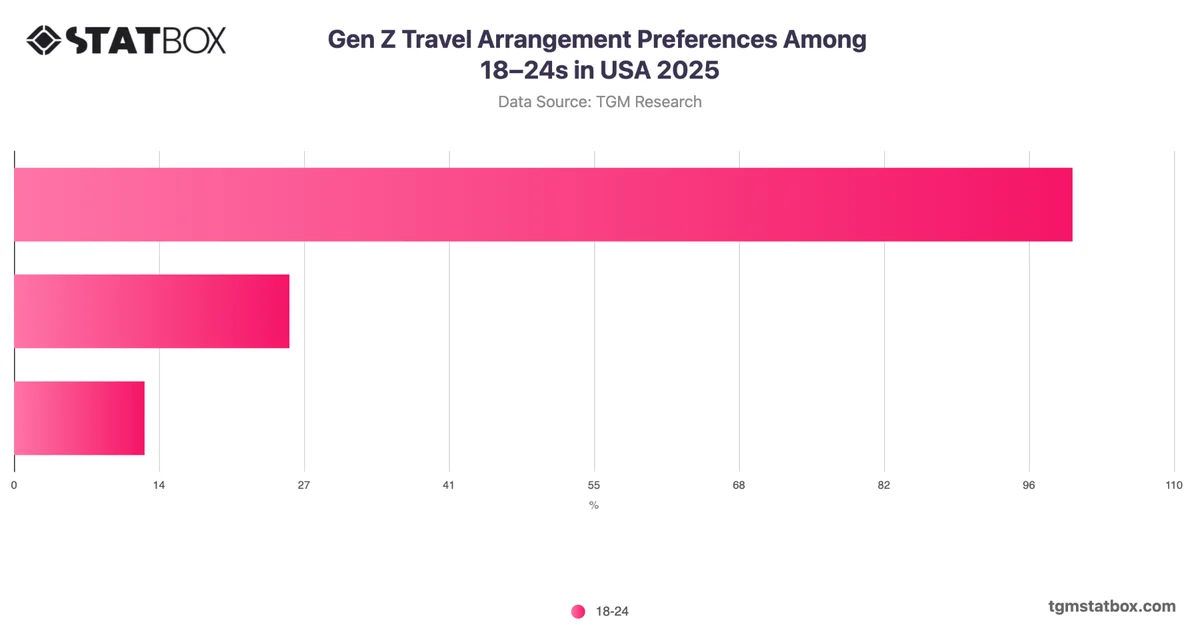
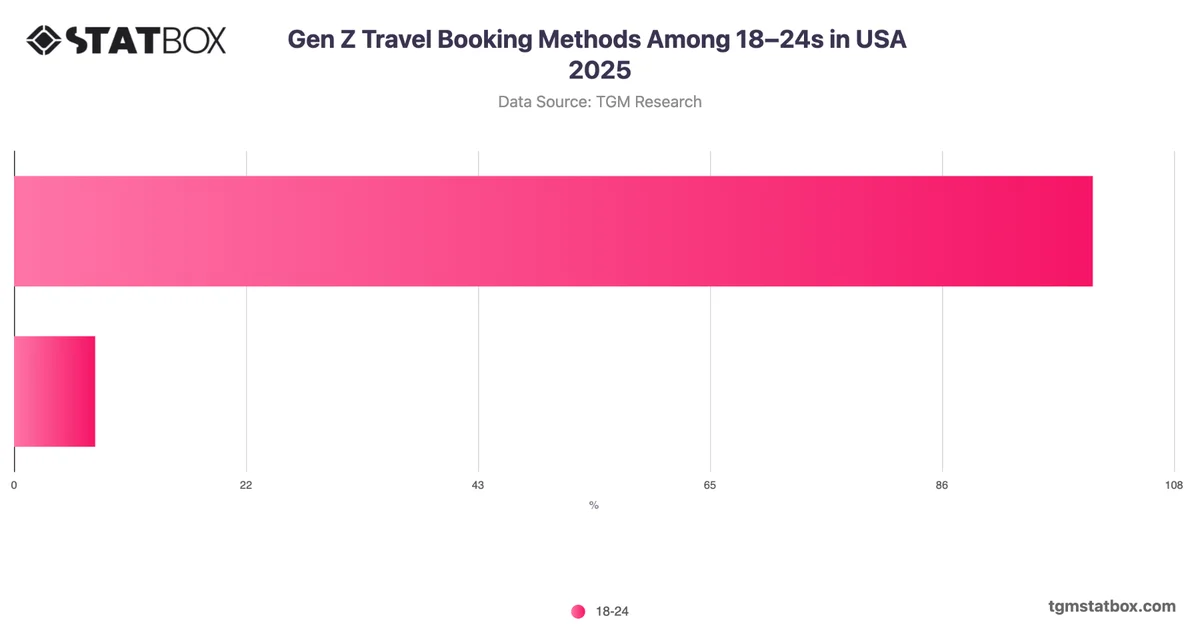
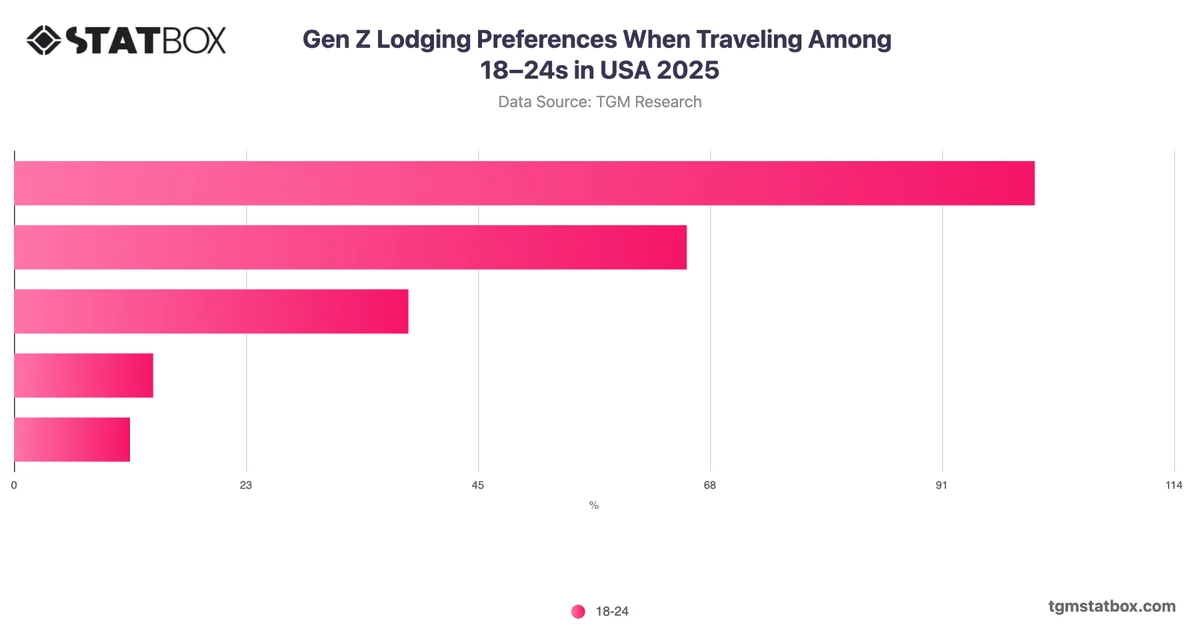
Holiday experiences extend well beyond popularity ratings. TGM StatBox offers a closer look at Christmas traditions in the U.S., including when Americans plan to start Christmas shopping, their preferred Christmas gift shopping channels, and how much they plan to spend on gifts.
The data also reveals how Christmas gift budgets differ across age groups, offering a fuller picture of how Americans prepare for the festive season.
The ranking is based on YouGov Ratings, Q3 2026, which measures the percentage of U.S. adults expressing positive opinions about different holidays. YouGov collects responses continuously and updates its rankings quarterly. TGM StatBox selected holidays and national observances from the broader Events category, excluding non-holiday events.
TGM Christmas Insights 2025 – Methodology
The TGM Christmas Insights 2025 study is based on a quantitative survey conducted across six countries, targeting nationally representative samples of adults aged 18–75. Conducted between September 16 and 25, 2025, the study explores Christmas gift spending, shopping behaviors, purchase decisions, and festive shopping plans.
Survey Methodology: Online interviews (CAWI – Computer-Assisted Web Interviewing)
Sample Size: 3,023 participants
Age Groups: 18–24, 25–34, 35–44, 45–54, 55–64, 65–75
Country Coverage: Canada, France, Germany, Italy, Spain, United States
Fieldwork Period: September 16–25, 2025
References
Ballard, J. (2025, November 21). Thanksgiving 2025: What Americans will cook, eat, and debate at the table this year. YouGov. https://yougov.com/en-us/articles/53469-thanksgiving-2025-what-americans-will-cook-eat-and-debate-at-the-table-this-year
Fernandes, J. (2025, October 15). Holiday shopping 2025: What Americans buy, spend, and value at Christmas. YouGov. https://yougov.com/en-us/articles/53169-holiday-shopping-2025-what-americans-buy-spend-and-value-at-christmas
National Retail Federation. (2026a). Father's Day. https://nrf.com/research-insights/holiday-data-and-trends/fathers-day
National Retail Federation. (2026b). Independence Day. https://cdn.nrf.com/research-insights/holiday-data-and-trends/independence-day
National Retail Federation. (2026c). Mother's Day consumer spending and insights. https://nrf.com/research-insights/holiday-data-and-trends/mothers-day
National Retail Federation. (2026d, January 27). Valentine's Day spending expected to reach new records. https://nrf.com/media-center/press-releases/valentine-s-day-spending-expected-to-reach-new-records
Numerator. (2025). 2025 holiday insights & consumer trends. https://www.numerator.com/holiday-trends-consumer-survey/
Yadav, M. (2025, May 19). Americans sound off on Memorial Day's meaning. Savanta. https://savanta.com/us/knowledge-centre/view/memorial-days-meaning/
Based on YouGov Ratings for Q3 2026, this chart ranks America's 15 most popular holidays and national observances by the percentage of U.S. adults expressing positive opinions, highlighting differences in public sentiment toward family celebrations and national traditions.
Findings from our data, highlighting consumer behaviour, preferences, and market signals across global markets.
Follow global economic trends and market signals through clear visual stories.
The latest launches and updates from TGM StatBox.
TGM StatBox's data and infographics across global markets.
Consumer insights, data stories and product updates as we publish them. No other mail, and one click to leave.
Roughly two emails a month.
Our team can run the study behind the story — in 60+ countries, on your question, with the data belonging to you.
Type at least two characters to search.